Overview of the New Legislation
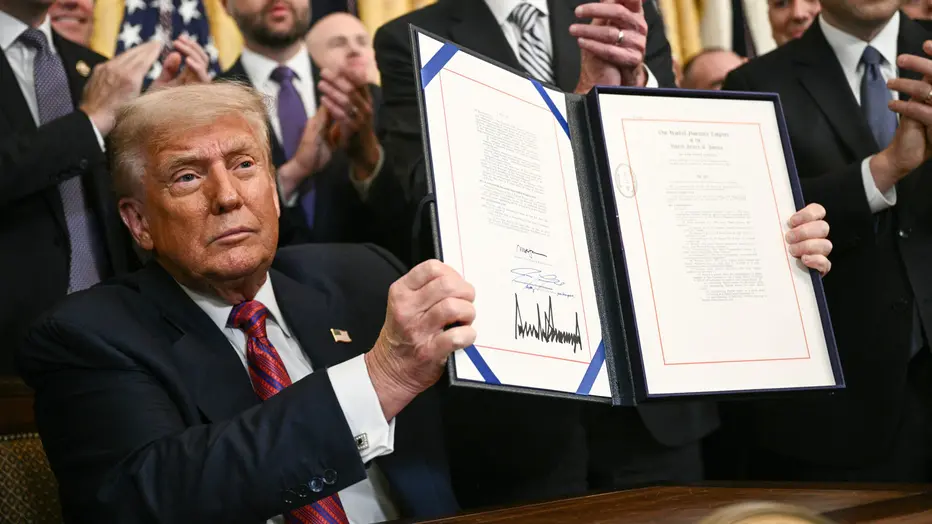
Trump’s signature turns the first major federal cryptocurrency bill into binding law, pushing stablecoin regulation from agency guidance into a clearer statutory lane. The measure tightens definitions around payment-focused tokens and sets baseline expectations for who can issue, market, and redeem them in the United States, framing the change as consumer protection rather than a ban on innovation. It also signals Washington’s intent to standardize compliance across federal touchpoints so firms face fewer gray areas when they scale. For context on the broader market pressure surrounding policy shifts, recent coverage of scrutiny tied to prediction markets highlights how quickly enforcement themes can spill across segments in ICE’s Polymarket bet amid rising scrutiny.
Impact on USD Stablecoins
The immediate effect on a USD stablecoin is operational: issuers must prove reserves, maintain redemption pathways, and meet disclosure standards that reduce the room for creative accounting. That matters to exchanges, lenders, and payment apps that rely on predictable settlement, because compliance failures now carry sharper legal consequences and reputational damage. Market plumbing is also in focus, since stablecoins move across venues at scale and policy can change where liquidity prefers to park. Data on transfers and turnover show why the sector demanded clarity, with flows increasingly treated like critical infrastructure in Stablecoin Flows Hit $440B, Signaling Market Shift. In practice, the bill’s framework pushes issuers toward conservative reserve management and stronger attestations, trimming systemic surprises.
Reactions from the Crypto Community
Within the industry, reactions split along familiar lines in crypto regulation: builders welcomed defined rules, while decentralization advocates warned that federal guardrails can harden into gatekeeping. The loudest applause came from compliance-forward firms that already operate like financial institutions and see the law as a competitive moat against undercapitalized rivals. Meanwhile, segments tied to exchange listings and custody worry about the speed of rulemaking that follows a headline law, especially if agencies interpret mandates aggressively. The debate is also shaped by capital markets, where institutional access often follows legal certainty rather than technological elegance. Reporting and analysis from outlets such as CoinDesk’s policy and markets desk has tracked how industry groups position themselves to influence implementing rules once a bill is inked and timelines begin.
Long-term Implications for Digital Finance
Long-term, the law is a statement about how crypto legislation will treat payment rails: stablecoins are being pulled closer to bank-like expectations without fully granting bank privileges. That matters for cross-border settlement, treasury management, and tokenized cash use cases inside brokerages and fintechs. The legislative signal can also accelerate partnerships with traditional finance, because boards and risk committees prefer statutory guardrails before approving new rails. It may widen the gap between compliant issuers and offshore alternatives, pushing liquidity into products that can pass audits and satisfy counterparties. The market structure fight around yield and product design is already visible in the stablecoin yield debate intensifying in Congress, underscoring that rules about return, marketing, and custody can be as consequential as reserve mandates.
Global Perspective on US Crypto Regulations
Internationally, the U.S. move lands as a competitive policy marker: global issuers and exchanges must decide whether to align products to American requirements or ring-fence U.S. users, and both choices come with cost. Jurisdictions with their own stablecoin regimes can point to Washington as validation, but they may also adjust to keep issuance and innovation at home. For USD-denominated tokens, the ripple is wider because the dollar’s dominance makes U.S. standards hard to ignore, even when activity happens offshore. At the same time, non-dollar alternatives are expanding, adding pressure for interoperability and consistent disclosures, as shown by adoption trends in Non-USD Stablecoins Add 1.2M Users, Gain Ground. Ongoing reporting such as Cointelegraph’s regulatory coverage reflects how quickly other capitals react when U.S. rules set a new floor.