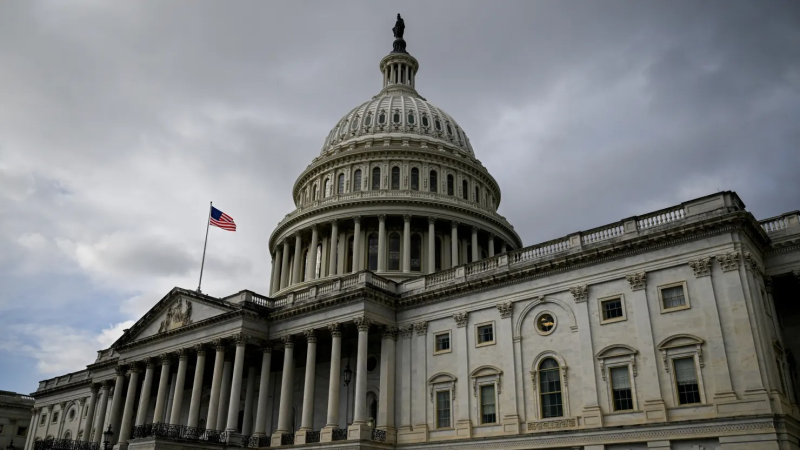
US lawmakers are preparing to revive efforts to pass a comprehensive crypto market structure bill, reopening a debate that could shape the future of digital assets in the country. Senate committees overseeing banking and agriculture policy are expected to hold hearings this week to review and revise their respective sections of the legislation, restarting a process that stalled last year amid political gridlock. The renewed push reflects growing urgency among policymakers and industry participants to establish clearer legal guardrails for crypto markets that have expanded rapidly without a unified federal framework. Supporters argue that clearer rules could provide certainty for companies operating in the sector, encourage innovation, and reduce the risk of enforcement driven regulation. The effort also comes as global competition intensifies, with other jurisdictions moving ahead with detailed crypto laws that could attract firms away from the United States if domestic policy remains unresolved.
The proposed legislation aims to clarify how digital assets are regulated and how oversight is divided between key financial authorities, while setting clearer standards for exchanges, brokers, and other crypto service providers. Lawmakers are expected to focus negotiations on several contentious areas, including whether stablecoin issuers should be allowed to offer rewards or yield like products, how decentralized finance platforms and their developers should be treated under the law, and whether public officials should be restricted from profiting from crypto ventures while in office. Stablecoins have emerged as a central issue, with banks and some regulators warning that yield bearing tokens could compete directly with traditional deposits. At the same time, crypto advocates are pressing for language that protects software developers and preserves the right for individuals to self custody digital assets without triggering registration or licensing burdens.
Once the committees finalize their drafts, the sections are expected to be combined into a single bill that would move to the Senate floor for debate, a process that could take several weeks. Industry supporters see the coming months as a critical window to advance the legislation before political priorities shift ahead of the 2026 midterm elections. Without progress this year, momentum could fade and leave the sector facing continued uncertainty. Proponents believe that passing a market structure framework could strengthen the US position in digital finance, attract investment, and provide clearer protections for investors and companies alike. Critics, however, caution that the final impact will depend heavily on the precise language adopted, underscoring why negotiations this week are being closely watched across financial markets.