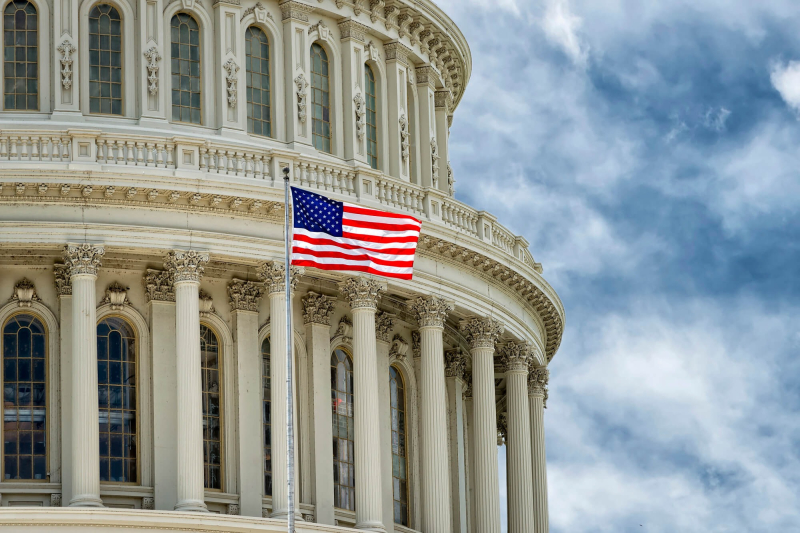
Lawmakers in the United States are attempting to revive stalled legislation aimed at establishing a clearer regulatory framework for digital assets, as negotiations intensify over how stablecoin rewards should be handled. The Digital Asset Market Clarity Act has faced delays after strong lobbying from the banking industry, which warned that certain stablecoin yield mechanisms could draw deposits away from traditional financial institutions. Senators involved in the negotiations say a compromise is being explored that would allow innovation in digital finance while ensuring protections for the banking system. The effort comes as lawmakers face a narrowing window to move a comprehensive crypto market structure bill through Congress this year.
At the center of the debate is whether companies offering stablecoins should be allowed to provide rewards to users holding those assets. Banking groups have argued that interest like returns on stablecoins could function similarly to savings accounts, potentially encouraging customers to shift funds away from regulated banks. Crypto companies, however, say that reward programs are a key incentive that helps attract users and promote the adoption of digital payment networks. Lawmakers now appear to be searching for middle ground that limits the risk of deposit flight while preserving incentives for blockchain based financial innovation.
Several senators working on the legislation have suggested that reward programs may need to be structured differently from traditional interest payments. One idea being discussed would restrict rewards tied directly to the size of stablecoin balances while allowing incentives linked to transaction activity on digital platforms. Supporters say this could encourage the use of blockchain networks for payments and services without creating a direct competitor to bank savings accounts. Banking representatives continue to push for stricter rules, warning that even limited reward structures could create regulatory loopholes that undermine the intent of earlier legislation governing stablecoin issuers.
The discussions reflect broader tensions between the traditional financial sector and the rapidly expanding digital asset industry. Banks argue that stablecoin reward programs could reshape consumer behavior if they offer returns that rival conventional deposit products. Industry advocates counter that stablecoins function primarily as payment tools rather than savings instruments and should be regulated accordingly. Some banking leaders have signaled openness to a compromise approach, suggesting that transaction based incentives may be acceptable if they are clearly separated from deposit like yield programs.
The regulatory debate is also unfolding alongside other unresolved issues surrounding the proposed crypto legislation. Some lawmakers have raised concerns about potential vulnerabilities in decentralized finance platforms, arguing that stronger oversight may be necessary to prevent misuse of blockchain networks by illicit actors. Others have pushed for broader governance reforms, including changes to how regulatory agencies responsible for digital assets are staffed and supervised. These debates highlight the complexity of building a comprehensive legal framework for the rapidly evolving cryptocurrency sector.
Despite these challenges, supporters of the bill believe that progress is possible if negotiators can finalize compromise language that satisfies both financial institutions and digital asset companies. The next stage would involve advancing the proposal through the Senate Banking Committee before combining it with related legislative efforts already moving through other committees. If lawmakers are able to align on the remaining points of disagreement, the bill could eventually be presented to the full Senate for consideration.
The path forward remains uncertain as Congress balances competing priorities on its legislative agenda. Political tensions, international developments and other domestic policy debates could affect how much time lawmakers are able to devote to digital asset regulation in the months ahead. Nevertheless, the ongoing negotiations suggest that policymakers continue to view a comprehensive crypto market structure framework as an important step toward providing clarity for both investors and financial institutions operating in the expanding digital asset economy.