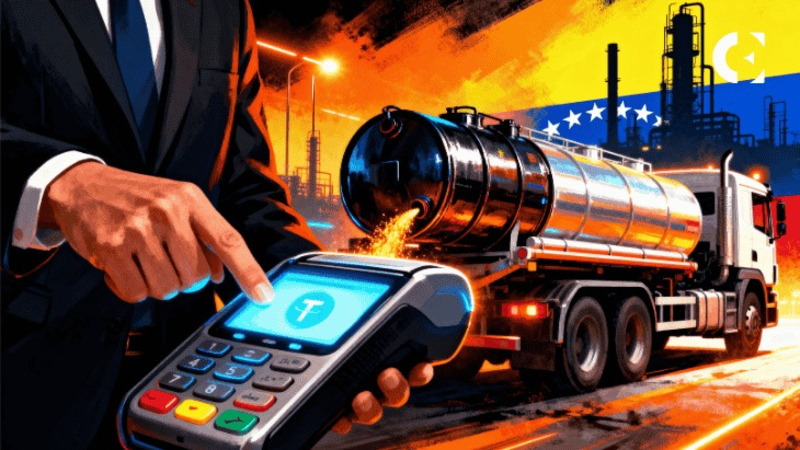
Venezuela’s state controlled oil company turned to the stablecoin USDT to help navigate around restrictions imposed by the United States as the country’s political and economic crisis deepened, according to multiple reports this week. Petróleos de Venezuela SA began requiring some customers to make oil payments using the popular dollar pegged token as US sanctions limited its access to traditional dollar banking channels, creating a parallel payment route that allowed crude deals to continue despite restrictions on banking relationships and international finance access. The reports also highlight that widespread use of USDT in Venezuela extends beyond oil trade, with many citizens adopting the stablecoin as an alternative to the bolivar amid severe inflation that has eroded the value of the local currency and pushed Venezuelans to seek more stable stores of value. Analysts note that this trend reflects both necessity and a broader shift toward digital assets in economies under financial stress.
Political and economic experts say the reliance on USDT underscores how sanctioned countries have looked to cryptocurrencies to keep core revenue streams flowing when traditional payment systems are closed off. Venezuela’s oil industry, long central to the national economy but restricted by sanctions and limited bank access, found in the dollar-pegged token a means to settle transactions with overseas partners, particularly in markets where direct dollar settlements are not feasible. While stablecoin use has provided a lifeline for parts of the economy and helped companies like PDVSA maintain some level of export activity, it has drawn scrutiny from regulators and governments concerned about sanctions evasion and financial compliance. Officials in the United States continue to enforce restrictions on Venezuelan oil and financial networks to limit revenue flows to sanctioned entities even as digital asset usage grows within the nation.