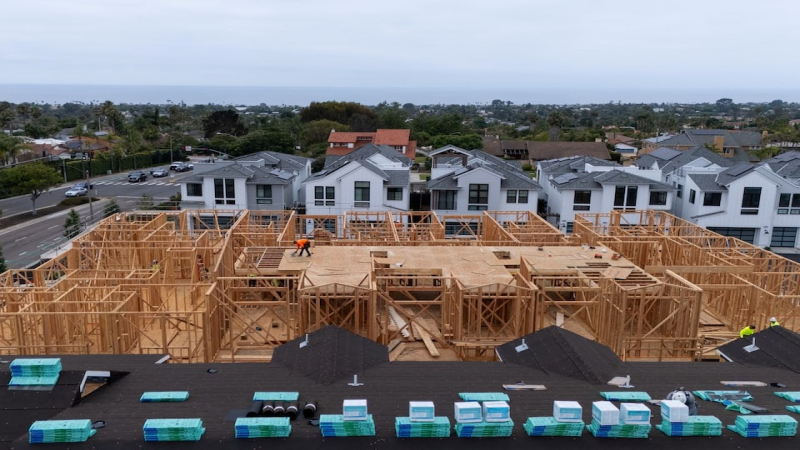
U.S. housing markets are facing renewed uncertainty after new federal actions aimed at limiting institutional investment in single family homes, a move investors warn could unintentionally accelerate price pressures. The measures seek to reduce competition from large financial firms in residential property purchases, with regulators encouraged to steer sales toward individual buyers. Supporters argue this could improve affordability for households struggling with elevated mortgage rates and tight inventory. However, market participants say the policy risks stimulating demand without addressing structural supply shortages that have defined the housing market for more than a decade. With housing availability constrained by zoning rules, labor shortages, and rising construction costs, investor groups believe that limiting one segment of buyers may simply redistribute demand rather than reduce it.
Investors point out that affordability challenges are primarily driven by limited supply rather than excessive investor participation. While institutional buyers attract political attention, they account for a relatively small share of the single family rental market nationwide. By discouraging institutional purchases, the policy could reduce funding for build to rent developments that have contributed to incremental housing supply in recent years. Market participants argue that easing local development restrictions and accelerating permitting would have a greater impact on affordability than restricting buyers. Some also caution that policies encouraging new forms of buyer financing could add further pressure to prices if they are introduced before supply conditions materially improve.
Housing data show that prices have risen far faster than consumer inflation over the past decade, reflecting long standing imbalances between supply and demand. Although price growth has slowed recently, the overall level of housing costs remains historically high, especially in major metropolitan areas. Construction activity has picked up modestly, but remains below levels needed to offset years of underbuilding. Industry executives note that institutional capital has often supported new construction by absorbing large scale projects that individual buyers cannot easily finance. Limiting this capital, they argue, could slow development in certain segments and delay the market’s path toward balance.
Financial markets have responded cautiously, with housing related equities showing resilience despite policy uncertainty. Some investors see potential opportunity if affordability measures succeed in boosting transaction volumes, while others remain skeptical that demand focused policies can deliver sustainable price relief. Attention is now turning to whether federal initiatives can meaningfully influence local housing regulations, where most supply constraints originate. Until supply expands more decisively, investors broadly expect price sensitivity to remain high, particularly if demand is supported through new buyer incentives or credit easing measures.