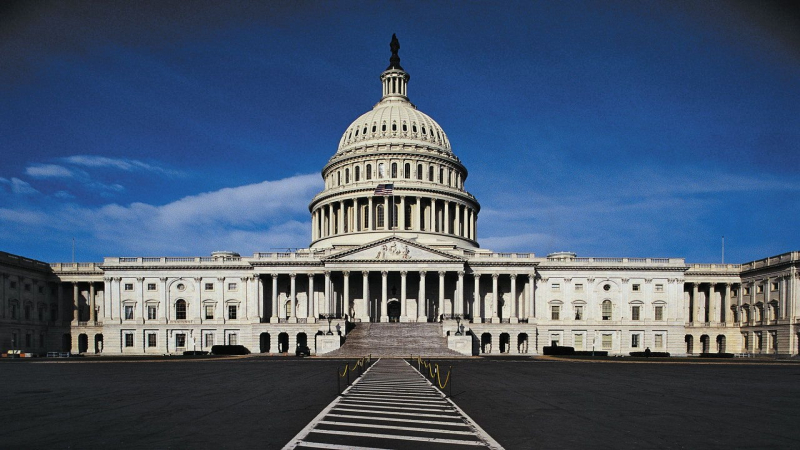
This week could mark a turning point for digital assets in the United States as lawmakers move closer to voting on long awaited market structure legislation, according to Wall Street broker Benchmark. The firm said momentum in Washington has shifted from prolonged debate toward concrete legislative action, raising expectations that years of regulatory uncertainty may finally begin to ease. Senate committees are preparing to advance proposals that would define how cryptocurrencies are classified and regulated, a step analysts believe could reshape how institutional investors approach the sector. For much of the past decade, unclear rules and shifting enforcement priorities have weighed on confidence, limiting capital commitment from large financial institutions. Benchmark argues that clearer statutory guidance would reduce the risk of sudden policy reversals and create a more predictable environment for companies operating in digital markets. That shift could help reframe crypto from a speculative niche into a more durable asset class within regulated financial systems.
Benchmark emphasized that regulatory clarity is a prerequisite for unlocking deeper institutional liquidity, which it views as essential for sustainable valuations across crypto markets. Without clear definitions around asset classification, custody standards, and compliance obligations, many regulated intermediaries have remained cautious. The broker said legislation that delineates responsibilities between securities and commodities oversight would materially reduce classification risk that has discouraged long term capital. In recent years, competing regulatory approaches and aggressive enforcement actions left firms uncertain about which rules would apply, slowing innovation and investment. Benchmark noted that clearer rules would not eliminate volatility, but they would provide a foundation for more stable price discovery and healthier market structure. As liquidity improves, crypto linked equities and infrastructure focused firms could see renewed interest from institutions seeking exposure within a clearer legal framework.
The broker highlighted that companies with institutional oriented platforms are among those likely to benefit most if lawmakers deliver meaningful progress. Improved regulatory certainty could encourage asset managers, banks, and market makers to allocate capital with greater confidence, reinforcing liquidity and valuation support. Benchmark also pointed to improving market conditions following recent disruptions, arguing that healthier liquidity and regulatory progress tend to reinforce one another. While political risks remain and final outcomes depend on legislative details, the firm views the coming days as a critical window. If Congress succeeds in advancing a comprehensive framework, it could mark the beginning of a new phase for digital assets in the United States, one defined less by enforcement driven uncertainty and more by structured growth within established financial markets.