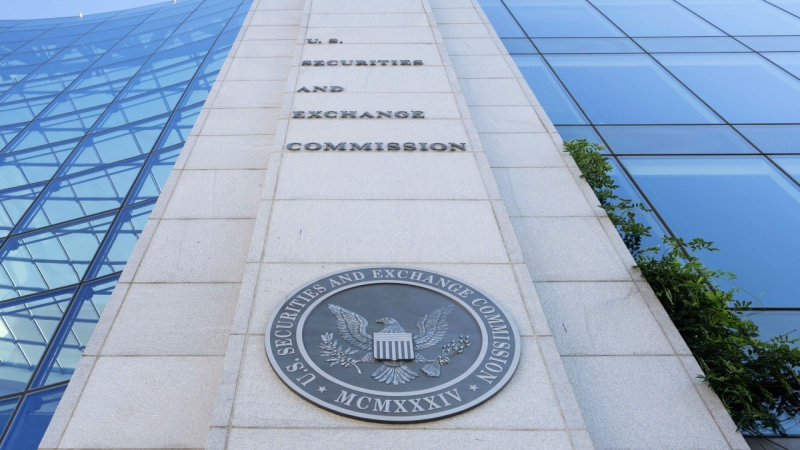
Senior representatives from major Wall Street firms and industry groups have pressed U.S. regulators to resist carving out special exemptions for tokenized securities, arguing that assets traded on blockchain rails should remain subject to the same federal securities laws as traditional instruments. Executives and legal advisers from firms including JPMorgan, Citadel, and industry body SIFMA met with the Securities and Exchange Commission’s Crypto Task Force this week to reinforce their position that tokenization changes how securities are processed, not their economic substance. According to a memo summarizing the meeting, participants warned that allowing tokenized equities or other securities to operate under lighter standards could weaken investor protections and disrupt established market structure rules. They urged regulators to prioritize consistency and legal clarity as tokenization gains momentum across financial markets.
During the discussion, the firms emphasized that securities should not be treated differently simply because they are issued, recorded, or traded using blockchain technology. They argued that tokenized products, whether issued directly onchain or structured as wrapped or entitlement based instruments, remain economic equivalents of conventional securities. From their perspective, granting broad exemptive relief could allow trading venues or issuers to bypass requirements related to disclosure, market access, and oversight that have long underpinned U.S. capital markets. The group also called on the SEC to rely on formal rulemaking rather than informal staff guidance or ad hoc exemptions, saying that durable rules are essential to maintaining market integrity as new trading models emerge.
Decentralized finance entered the conversation only in a limited way, primarily as it relates to the trading of tokenized securities. The meeting did not focus on broader DeFi activities such as lending or governance, but participants acknowledged that decentralized or hybrid trading models raise questions about how existing exchange and broker dealer rules should apply. The discussion followed earlier correspondence from Citadel urging the SEC to take a closer look at DeFi protocols that facilitate trading in tokenized securities. That position has drawn criticism from parts of the crypto industry, which argue that traditional financial firms are seeking to slow innovation. Still, the tone of the meeting suggested growing alignment between regulators and large financial institutions on the principle that innovation should advance within established legal frameworks.
The timing of the meeting coincided with broader regulatory discussions about modernizing market infrastructure, including the possibility of expanded trading hours. In a separate public forum, senior SEC officials noted that some digital asset markets already operate around the clock and that there is increasing interest in extending similar models to equity markets. Regulators cautioned, however, that any such shift would require shared infrastructure, common standards, and careful management of operational risks. Taken together, the discussions highlight a convergence around the idea that while blockchain technology may modernize settlement and trading processes, it does not justify a parallel regulatory regime. For Wall Street, preserving a level playing field remains a priority as tokenization moves from experimentation toward wider adoption.