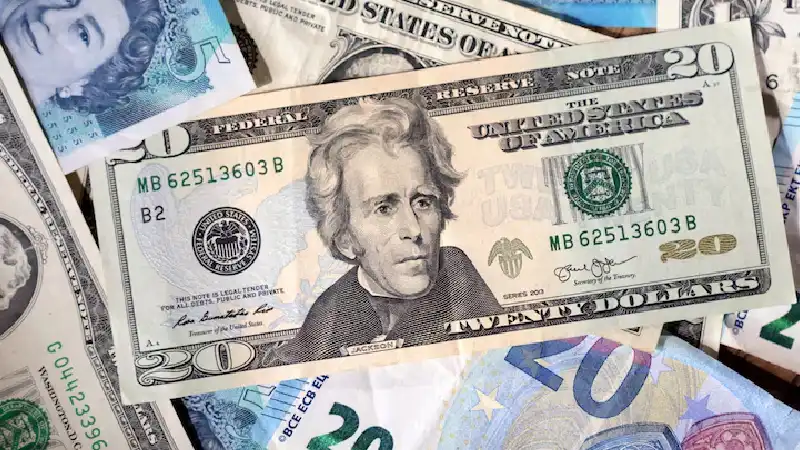
The United States dollar eased slightly from recent highs as global investors prepared for a series of major central bank meetings while continuing to monitor geopolitical tensions in the Middle East. Despite the modest decline, the dollar remains close to a ten month peak after gaining strength in recent weeks due to rising demand for safe assets. Financial markets are now focusing on policy signals from major central banks including the Federal Reserve, the European Central Bank, the Bank of England and the Bank of Japan. The outcomes of these meetings are expected to shape expectations for inflation, interest rates and global growth during a period marked by geopolitical uncertainty and volatile energy markets.
The dollar had strengthened sharply since late February following escalating conflict in the Middle East that pushed oil prices higher and triggered a global shift toward defensive assets. Investors typically move capital into the dollar during periods of international instability, which has helped support the currency even as other major currencies faced pressure. Economies heavily dependent on imported energy have been particularly affected as rising oil costs weigh on economic outlooks. The euro and several other currencies weakened earlier as markets assessed how higher fuel prices and geopolitical risks might influence economic performance across Europe and Asia.
Currency markets remained active as investors adjusted their positions ahead of key monetary policy decisions expected this week. The dollar index slipped slightly but remained near recent highs after several consecutive days of gains. Meanwhile the euro rebounded after falling to multi month lows earlier in trading, while the British pound also recovered modestly from recent declines. Market analysts note that much of the current currency movement is being driven by expectations surrounding inflation and energy prices. The surge in oil prices has led some traders to anticipate tighter monetary policy, although others argue that inflation pressures linked to energy shocks may prove temporary.
Oil prices have become a central factor influencing global financial markets during the current geopolitical crisis. Energy markets surged earlier in the month as tensions disrupted expectations around supply stability in the Middle East. Although prices retreated slightly during the latest trading session, they remain significantly higher than levels seen earlier this year. Analysts believe the conflict has introduced additional uncertainty for policymakers who must balance the risk of persistent inflation against the possibility of slowing economic growth. These conditions make upcoming central bank guidance particularly important for investors seeking clarity about the global economic outlook.
Attention is also turning toward currency pressures in Asia as exchange rates respond to shifting capital flows. The Japanese yen continues to trade close to levels that previously triggered government intervention, reflecting ongoing weakness tied to the country’s dependence on imported energy. At the same time the Australian dollar strengthened as markets anticipated potential interest rate tightening by the Reserve Bank of Australia. Higher interest rates can support a currency by attracting global investment, and traders are closely watching whether policymakers signal further tightening in response to inflation concerns.
Global investors are also monitoring developments related to energy transport routes that could influence commodity markets and currency stability. Discussions among several countries about securing key shipping lanes have added another layer of attention to energy supply chains. The Strait of Hormuz remains one of the most critical passages for global oil and liquefied natural gas shipments, carrying a large share of the world’s energy exports. Any disruption to this route can rapidly influence commodity prices and currency markets. As geopolitical tensions continue and central banks prepare their policy announcements, currency traders expect foreign exchange markets to remain volatile in the near term.