


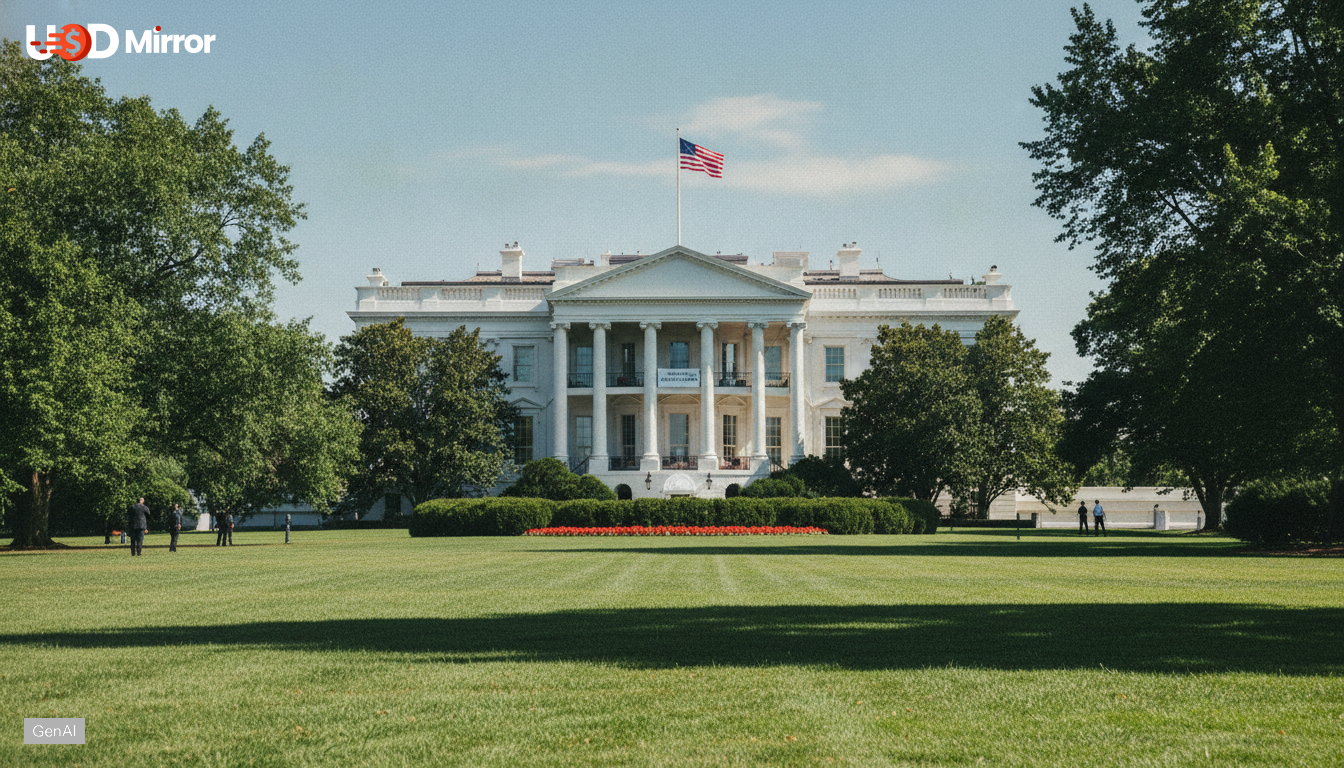
CFTC crypto regulation plan enters White House review
CFTC crypto regulation is now the focus as the Commodity Futures Trading Commission sent a crypto market regulation plan to the White House for review. CoinDesk reported on Sept. 18, 2026, that this places the proposal into the executive branch process that can shape the timing, scope, and interagency coordination of any formal rulemaking. The submission responds to congressional efforts being stalled and disputes over which agency sets the baseline for spot crypto oversight. It signals how the commission may define covered digital commodities and compliance obligations for intermediaries, even with congressional gridlock.
Why the CLARITY Act delay matters for agency roles
Senate inaction on the CLARITY Act keeps core market structure questions unresolved, including how federal agencies should divide supervision across the crypto market. CoinDesk linked the legislative pause to regulators advancing their own frameworks while statutory authority remains contested. For readers tracking how definitions can diverge across bills and agency approaches, Why Clarity Act Stablecoin Regulations Need Alignment outlines how mismatched terms can complicate compliance planning. Enforcement and selective guidance shape outcomes as the CFTC argues for a clearer role in non-securities trading venues. The absence of a Senate vote increases the odds of overlapping supervisory demands persisting longer.
What the White House review could change next
The White House review process can influence how quickly agencies translate proposals into action when market structure questions touch multiple departments. According to CoinDesk’s report, the submission intends to move forward despite Congress being stalled, suggesting the commission’s focus on implementable guidance for registration, supervision, and market integrity controls. Related policy context appears in SEC Temporary Exemption Boosts Tokenized Stock Trading. Near term, a likely outcome is a more formal description of how the CFTC would oversee certain spot activities tied to commodities, including surveillance expectations and reporting lines to reduce manipulation risk.
Compliance impacts and stakeholder reactions
Industry and legal stakeholders are likely to examine the plan for compliance cost, jurisdiction clarity, and operational timelines. According to CoinDesk, the submission reflects the CFTC pressing for a workable supervisory perimeter while the legislative track is uncertain. For adjacent debates about market structure spillovers, SEC Relief Could Expand Tokenized US Stock Trading provides a comparison point on how regulatory relief and exemptions can alter venue choices and product design. Large trading firms and infrastructure providers typically focus on whether rule text would standardize definitions across platforms, affecting risk controls, disclosures, and custody or settlement practices. Some advocates for stronger consumer protection concentrate on whether the proposal strengthens surveillance and recordkeeping expectations or mainly reshapes existing practices.
Outlook for CFTC crypto regulation and US market structure
The next phase for federal crypto market regulation will depend on whether White House review yields a coordinated direction or leaves agencies moving in parallel. CoinDesk suggests congressional gridlock has pushed agencies to act. This raises the stakes for how definitions are drafted and how conflicts are managed with other regulators. If the commission advances CFTC crypto regulation through rule proposals after review, it could create a de facto baseline for commodity-like tokens even without new legislation, but only within the agency’s jurisdiction. For the source reporting referenced throughout, see CoinDesk’s Sept. 18, 2026 report. Long term, a durable settlement still requires Congress to clarify statutory authority; otherwise, courts may remain the venue where boundaries are tested.