Players earn and trade assets with blockchain-based marketplaces.
A Milestone for Gaming
In 2025, NFT gaming economies will have officially overtaken traditional microtransactions as the dominant model in digital gaming. For decades, gamers purchased skins, upgrades, and add-ons without true ownership. Now, blockchain technology has enabled players to buy, sell, and trade in-game assets as non-fungible tokens, turning digital items into valuable property. This transformation is not only changing the economics of gaming but also reshaping how culture and community interact inside virtual worlds.
Why NFT Economies Are Winning
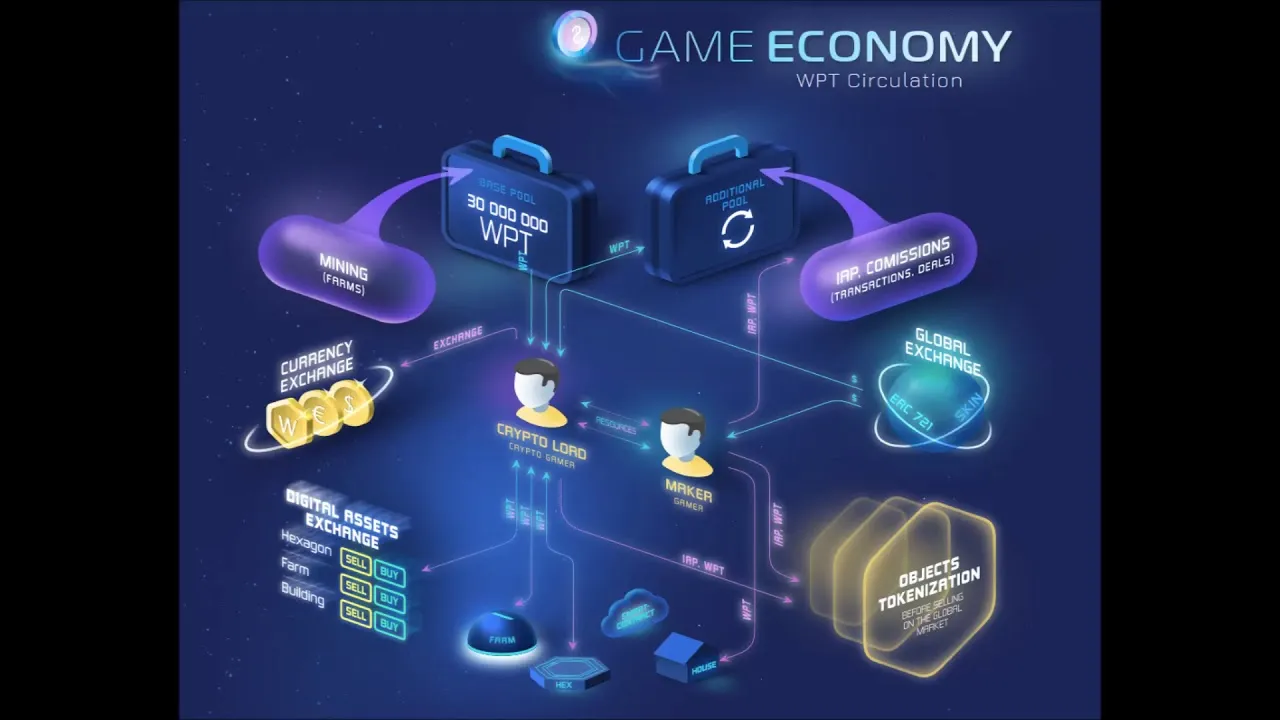
Traditional microtransactions locked assets inside centralized servers, leaving players unable to transfer or resell them. NFT gaming economies disrupt this by providing verifiable ownership on blockchain. Every skin, weapon, or collectible becomes a tradable asset with real-world value. Marketplaces allow instant liquidity, and smart contracts ensure transparent transactions. For players, this shift creates a sense of fairness and empowerment, turning entertainment into investment.
Retail Gamers Drive the Change
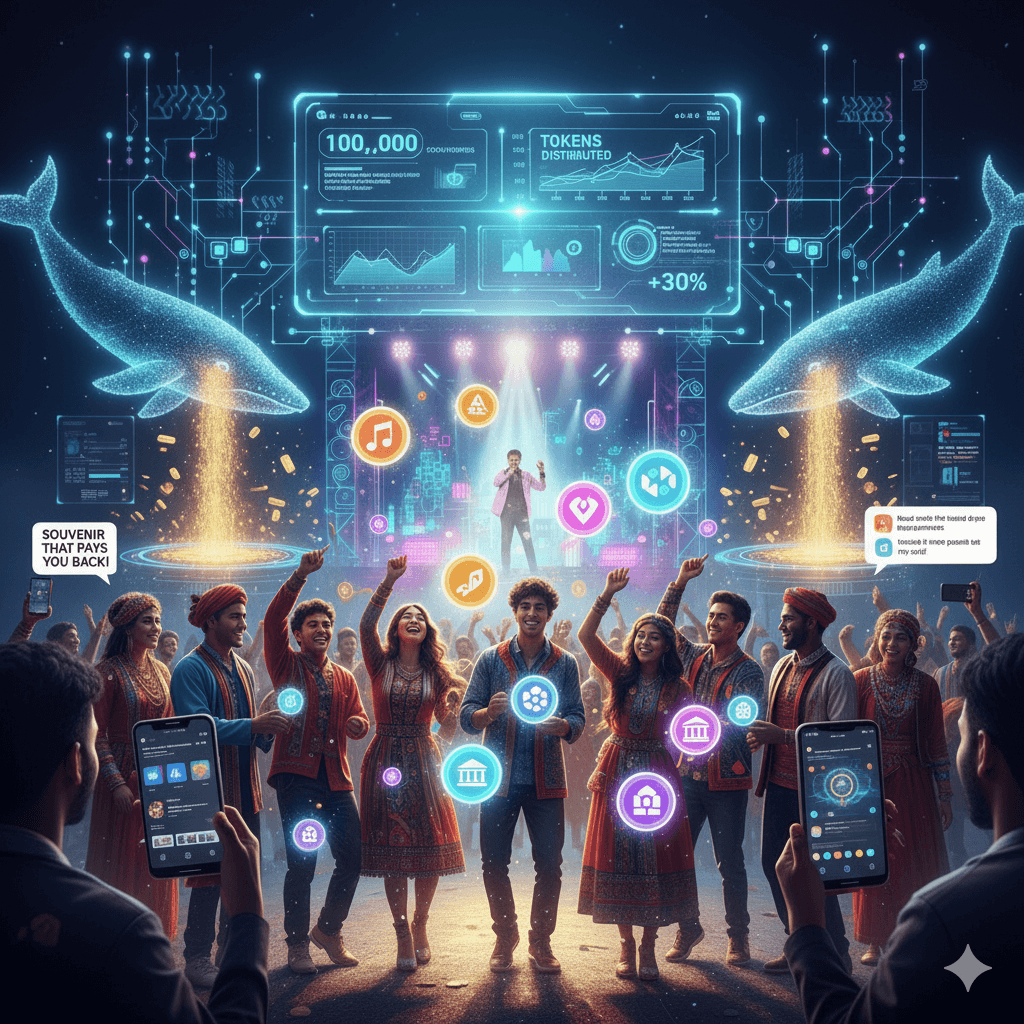
Retail gamers are leading the adoption of NFT economies. On TikTok, Twitch, and Discord, influencers show how they earn by trading rare skins or renting characters to other players. Memes depict NFT gaming as “play-to-earn 2.0,” combining fun with financial opportunity. For Gen Z, the appeal lies not just in ownership but in identity. In-game assets become cultural symbols, status markers that can be displayed both in virtual arenas and on social media.
Whales Shape Market Dynamics
Whales are heavily involved in NFT gaming, purchasing large bundles of rare assets and fueling liquidity in secondary markets. Some whales fund entire guilds, providing players with NFTs in exchange for a share of earnings. This industrialization of gaming economies ensures constant activity but also raises concerns about the concentration of power. Retail players celebrate whale involvement when it stabilizes markets, but they also criticize the dominance of big capital in spaces once defined by creativity and community.
AI Dashboards Monitor Gaming Economies
AI dashboards are amplifying adoption by tracking real-time metrics such as “daily trading volume of NFT assets surpasses $2 billion” or “average player earnings rise by 20 percent.” Screenshots of these updates spread widely on social media, turning technical data into cultural proof. For gamers, dashboards validate that NFT economies are not niche experiments but global systems reshaping the industry.
Institutions Enter the Arena
Institutions are cautiously entering NFT gaming. Venture capital firms are funding marketplaces, while traditional gaming studios partner with blockchain startups to release hybrid titles. Some esports organizations are integrating NFT assets into tournaments, making ownership part of competitive culture. Banks and fintech firms are even piloting NFT-collateralized loans, signaling that financial institutions see potential in digital asset economies.
Regulatory Questions
Regulators are beginning to scrutinize NFT gaming. Some governments classify high-value assets as taxable property, while others worry about gambling dynamics in secondary markets. The lack of clear global standards creates uncertainty, but the willingness to engage shows that regulators view NFT gaming as too significant to ignore. Analysts note that eventual rules will likely mirror those governing other financialized digital assets.
Cultural Narratives of Ownership
Culturally, NFT gaming is framed as liberation from the “pay-and-lose” model of microtransactions. Memes celebrate gamers as “digital landlords” who can rent or resell assets at will. Influencers highlight stories of players funding education or living expenses through NFT trades, reinforcing the idea that gaming is more than entertainment. For Gen Z, ownership is about identity, empowerment, and community, ensuring NFT economies carry cultural weight beyond finance.
Risks That Persist
Despite growth, risks remain. Market volatility can cause asset values to collapse quickly, leaving players with losses. Scams and poorly designed games threaten credibility. Critics argue that financialization may overshadow fun, turning gaming into work. Analysts caution that platforms must balance sustainability with opportunity, ensuring that the pursuit of profits does not erode the joy of play.
Conclusion
NFT gaming economies surpassing traditional microtransactions in 2025 marks a milestone in digital culture. Retail gamers drive adoption, whales provide liquidity, AI dashboards amplify visibility, and institutions cautiously explore opportunities. Regulators are beginning to engage, while cultural narratives celebrate ownership and empowerment. Risks remain, but the trajectory is clear. Gaming is no longer just about entertainment. It is about economies where play, culture, and finance converge on a global scale.