Cross-border settlements shift toward blockchain-backed tokens.
The End of an Era?
In 2025, stablecoins are posing the most serious challenge yet to the SWIFT network, which has long dominated cross-border trade finance. With dollar-pegged and euro-pegged stablecoins now integrated into corporate supply chains, businesses are bypassing the delays and costs of legacy payment systems. This shift represents not just a technological change but a fundamental restructuring of how global trade is conducted.
Why SWIFT Faces Pressure
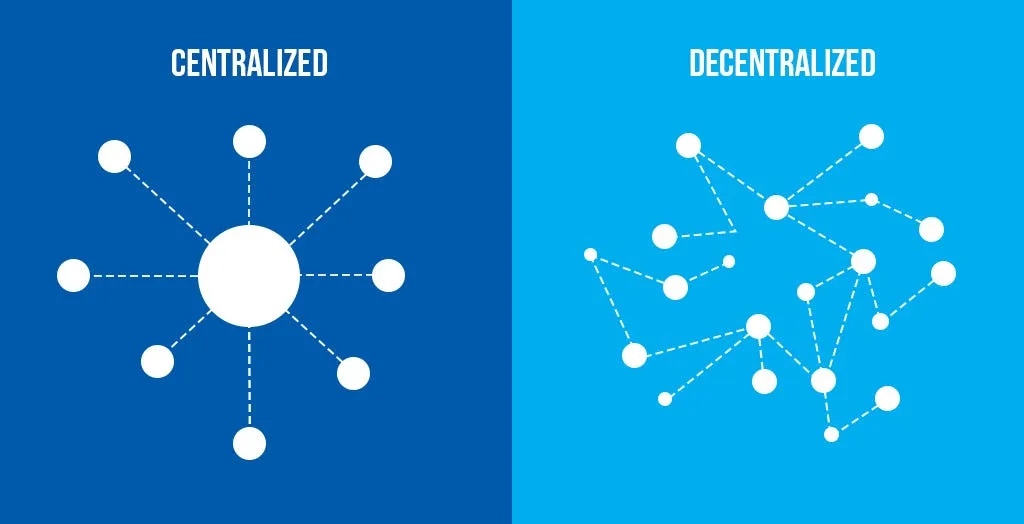
SWIFT has been the backbone of global payments for decades, but its reliance on intermediaries creates inefficiencies. Transactions can take days, with fees accumulating at each step. Stablecoins cut through these barriers by settling instantly on the blockchain, providing transparency and lowering costs. For companies managing international supply chains, the appeal of faster, cheaper settlements is irresistible. Analysts warn that if adoption continues at the current pace, SWIFT could lose its dominance in high-volume trade corridors.
Retail Awareness of the Shift
While trade finance is largely institutional, retail communities are increasingly aware of stablecoins’ role in reshaping global money flows. On TikTok and Instagram, influencers explain how “digital dollars” are powering global trade. Memes depict stablecoins as high-speed trains overtaking SWIFT’s slow, outdated system. For Gen Z, the narrative is not about corporate logistics but about financial empowerment, reinforcing stablecoins as symbols of progress.
Whales Support Liquidity Networks
Whales are playing a central role in scaling stablecoin settlements. Large wallets provide liquidity to corporate pools, ensuring smooth operations even in volatile markets. Some whales partner directly with fintech firms to fund corridors linking Asia, Africa, and Latin America. Their participation adds confidence and stability to the networks, making them more attractive to institutions that demand reliability.
AI Dashboards Track Transaction Flows
AI dashboards are amplifying the visibility of this transition. Push notifications highlight milestones like “$200 billion in trade settled with stablecoins this quarter” or “new record in Asia-to-Europe corridor.” Screenshots of these alerts circulate widely, blending technical data with cultural storytelling. For businesses and retail audiences alike, dashboards validate the perception that stablecoins are not experiments but mainstream financial tools.
Institutions Accelerate Adoption
Institutions are racing to adapt. Multinational corporations are shifting part of their trade settlement to stablecoins, while banks are building hybrid systems that connect blockchain rails with traditional finance. Some insurers and logistics firms are bundling blockchain verification with payment processes, creating end-to-end solutions. This institutional adoption signals that stablecoins are becoming embedded in the machinery of global commerce, challenging SWIFT’s long-held supremacy.
Regulators Respond
Regulators are beginning to react. The European Union is debating caps on private stablecoin use for trade, while the United States is drafting laws requiring full reserve backing for issuers. In Asia, some governments are actively encouraging adoption as part of strategies to attract fintech investment. Regulatory diversity creates uncertainty but also reflects recognition that stablecoins are shaping the future of international finance.
Cultural Narratives of Speed and Power
Culturally, stablecoins are framed as faster and more modern than SWIFT. Memes portray SWIFT as an outdated fax machine while stablecoins appear as sleek apps driving global commerce. Influencers emphasize the symbolism of replacing legacy systems with digital alternatives, framing the shift as part of a generational demand for innovation. These cultural narratives ensure the debate extends far beyond boardrooms into everyday conversations.
Risks That Remain
Despite optimism, risks remain significant. Stablecoins depend on reserve transparency and trust in issuers. A major depegging event could undermine confidence in their use for trade. Cybersecurity threats and fragmented regulatory frameworks also create vulnerabilities. Analysts caution that while stablecoins offer speed and efficiency, safeguards must evolve to match their growing importance in global finance.
Conclusion
Stablecoins in 2025 are challenging SWIFT’s dominance in trade finance by providing faster, cheaper, and more transparent settlements. Retail communities embrace the cultural narrative, whales supply liquidity, AI dashboards amplify awareness, and institutions accelerate adoption. Regulators debate oversight, while cultural narratives frame the shift as progress. Risks remain, but the trajectory is clear. Stablecoins are no longer just a crypto experiment. They are rewriting the rules of global commerce.