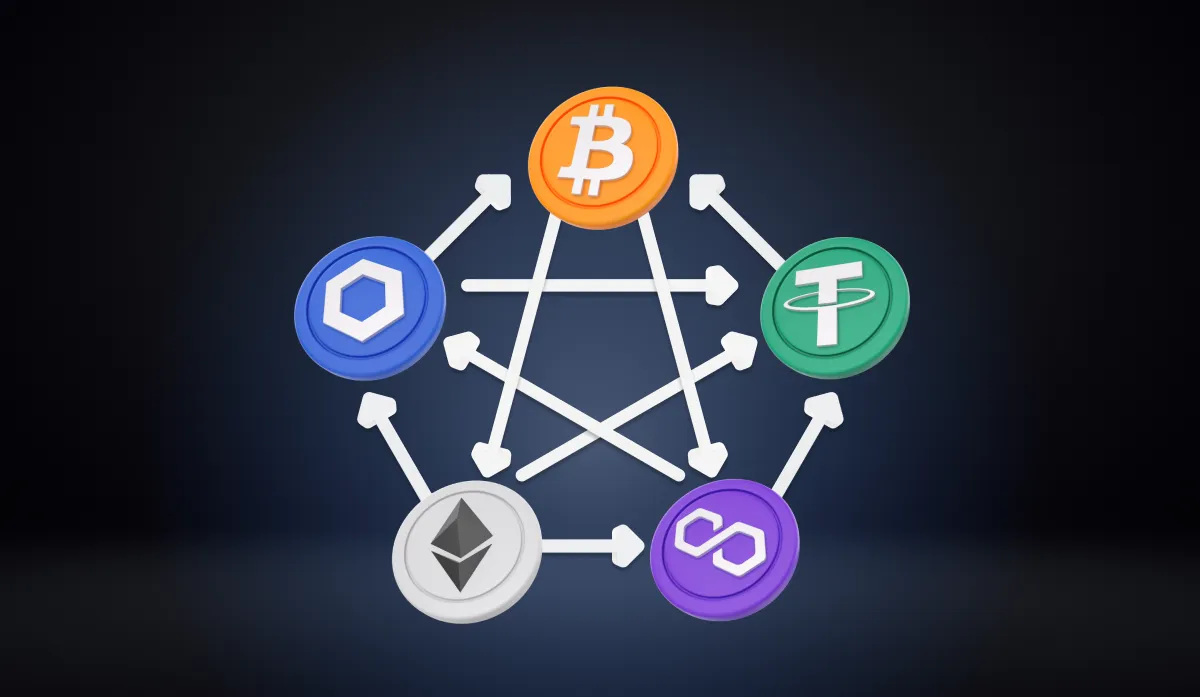
Blockchain reshapes creator economies beyond ad-driven platforms.
A Shift in the Social Media Landscape
In 2025, decentralized social networks are redefining how content is created, shared, and monetized. Instead of relying on advertising revenue, these platforms reward users directly with tokens for their posts, engagement, and community contributions. Built on blockchain, they provide transparency, fairness, and ownership in ways that traditional social media giants have failed to deliver.
Why Decentralization Matters
For years, creators and communities criticized centralized platforms for extracting value while giving little back. Algorithms favored advertisers, and data privacy concerns dominated headlines. Decentralized social networks flip the model by ensuring that users own their content and earn from their activity. Tokens tied to governance rights, community growth, or marketplace access create new incentives that transform social media into participatory economies.
Retail Users Drive the Boom
Retail adoption is skyrocketing as users migrate from ad-driven models to token-based platforms. On TikTok and Instagram, influencers share tutorials about earning tokens for likes, comments, or original content. Memes frame decentralized platforms as “social media with a paycheck,” appealing to Gen Z and Millennials who value both creativity and financial independence. The idea that everyday engagement can generate real income makes participation culturally powerful.
Whales Fund Communities
Whales are accelerating growth by funding liquidity pools and backing token distributions. Large wallets sponsor communities, offering bonuses for early adopters and seeding governance tokens. Their participation provides stability and credibility, encouraging retail users to engage. At the same time, whales gain influence over the direction of networks, creating both opportunities for growth and debates over decentralization.
AI Dashboards Measure Impact
AI dashboards amplify adoption by tracking engagement, token rewards, and community growth. Push notifications highlight metrics such as “50 million posts rewarded this month” or “average creator earnings rise 25 percent.” Screenshots of these updates circulate across Discord and Twitter, turning raw data into cultural validation. For retail users, dashboards confirm that decentralized platforms are not fringe projects but mainstream alternatives to legacy networks.
Institutions Experiment with Integration
Institutions are cautiously exploring decentralized networks. Some media companies experiment with tokenized fan clubs, while brands sponsor communities directly. Venture capital firms are funding platforms that blend social engagement with financial tools, betting on creator economies as the next big trend. Institutions view tokenized networks as both risks and opportunities, balancing regulatory uncertainty with cultural momentum.
Regulators Step In
Governments are beginning to consider how to regulate decentralized networks. Concerns about token distribution, income taxation, and content moderation dominate policy discussions. Some jurisdictions classify token rewards as taxable income, while others propose frameworks for community governance. Analysts predict that regulation will evolve unevenly, but momentum suggests that decentralized platforms are too large to remain outside oversight for long.
Cultural Narratives of Empowerment
Culturally, decentralized social networks are framed as liberation from exploitative platforms. Memes depict traditional social media giants as gatekeepers, while tokenized alternatives are celebrated as open doors for creativity. Influencers emphasize ownership, fairness, and community participation, framing networks as part of broader movements toward financial independence and digital rights. For Gen Z, posting content is no longer just about likes. It is about building wealth and identity.
Risks of Tokenized Platforms
Despite excitement, risks remain. Volatile token prices can destabilize earnings, and poorly designed reward structures may incentivize spam over quality content. Whale influence can centralize power, undermining the ethos of decentralization. Technical barriers, including wallet management and security, also deter some users. Analysts caution that sustainable tokenomics and user education will determine whether platforms thrive or collapse.
Conclusion
Decentralized social networks in 2025 are reshaping the creator economy by rewarding content with tokens. Retail users flock to platforms for empowerment, whales fund ecosystems, AI dashboards amplify visibility, and institutions cautiously integrate. Regulators are beginning to engage, while cultural narratives celebrate ownership and fairness. Risks remain, but the trend is clear. Social media is no longer just about attention. It is about participation, reward, and identity in tokenized communities.