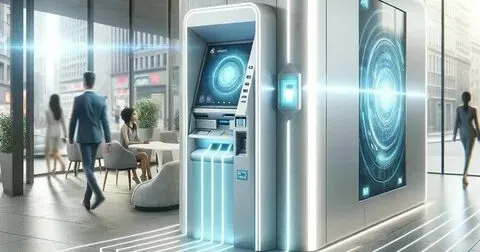
Physical access points blend blockchain with digital identity tools.
The Comeback of Crypto ATMs
In 2025, crypto ATMs are making a strong comeback, reinvented with advanced biometric security features. Once criticized for being risky, costly, and prone to fraud, these machines are now integrating facial recognition, fingerprint scans, and iris detection to provide safe and seamless access to digital assets. The revival highlights how crypto is moving closer to mainstream financial services, blending physical infrastructure with digital identity tools.
Why Crypto ATMs Matter
Crypto ATMs bridge the gap between digital and physical finance. For many users, especially those without access to banking, they offer the simplest way to convert cash into digital assets or withdraw fiat from crypto wallets. In the past, the lack of security and high transaction fees slowed adoption. With biometric verification and AI-driven fraud detection, new-generation ATMs solve these problems, making them safer and more efficient.
Retail Users Drive Adoption
Retail users are the biggest beneficiaries of secure ATMs. Migrant workers use them to send remittances, small businesses rely on them for quick settlements, and urban consumers view them as convenient on-ramps to digital finance. On TikTok and Instagram, influencers share tutorials showing how to use biometric-enabled ATMs, turning them into cultural symbols of accessible crypto. Memes portray the machines as “digital vaults,” trusted tools for a new era of participation.
Whales and Businesses Expand Networks
Whales and corporate players are backing the resurgence by funding ATM networks. Large wallets provide liquidity to machines in high-demand areas, ensuring smooth operation. Businesses partner with ATM providers to integrate services like bill payments and retail purchases directly through machines. Their involvement signals that ATMs are no longer just for niche enthusiasts but part of broader financial ecosystems.
AI Dashboards Track ATM Usage
AI dashboards add visibility by monitoring real-time ATM usage and performance. Push notifications highlight milestones such as “500,000 transactions completed in a single month” or “biometric-enabled ATMs now in 40 countries.” Screenshots of these updates circulate widely across social platforms, validating the comeback narrative. For retail communities, dashboards show progress, while for investors, they signal market growth.
Institutions Embrace Biometric Integration
Institutions are also engaging with the new ATM model. Banks and fintech firms partner with providers to offer hybrid services where customers can manage both fiat and digital assets. Insurance companies are exploring coverage options for ATM transactions, while governments test integration with national ID systems. These partnerships add legitimacy, signaling that crypto ATMs are becoming part of the regulated financial infrastructure.
Regulatory Considerations
Regulators are cautiously supportive of biometric ATMs. Some jurisdictions require providers to comply with know-your-customer and anti-money laundering rules through biometric verification. Others are exploring standards for data privacy and consent, ensuring sensitive biometric information is protected. Analysts note that regulatory clarity will determine how fast ATM networks expand globally.
Cultural Narratives of Trust
Culturally, crypto ATMs are being framed as tools of trust and inclusion. Memes highlight users smiling at machines that recognize them instantly, contrasting with frustration at traditional banks. Influencers emphasize that biometric ATMs offer dignity to unbanked populations, giving them access to modern financial tools without discrimination. This cultural framing ensures adoption resonates beyond finance, embedding ATMs into narratives of fairness and empowerment.
Risks That Persist
Despite improvements, challenges remain. Biometric data storage raises privacy concerns, and technical glitches can lock users out of funds. High operating costs in rural areas limit accessibility. Analysts caution that while ATMs are safer, they are not foolproof, and user education will be critical to ensure trust.
Conclusion
Crypto ATMs in 2025 are staging a comeback by blending biometric security with blockchain access. Retail users embrace them as cultural and financial tools, whales and businesses fund networks, AI dashboards amplify visibility, and institutions integrate them into broader systems. Regulators cautiously support adoption, while cultural narratives frame ATMs as symbols of trust and inclusion. Risks remain, but the trajectory is clear. Crypto ATMs are no longer relics of early adoption. They are becoming an essential infrastructure in global financial systems.