Fans and players govern competitive organizations through tokens.
A New Era in Esports Governance
In 2025, gaming guilds are taking esports to the next level by launching DAO-controlled teams where players, fans, and token holders collectively govern decision-making. Instead of relying on traditional corporate structures, these decentralized organizations distribute power across communities, aligning esports with broader trends in blockchain-driven participation. This model is transforming competitive gaming into both a cultural movement and an economic experiment.
Why DAO-Controlled Teams Appeal
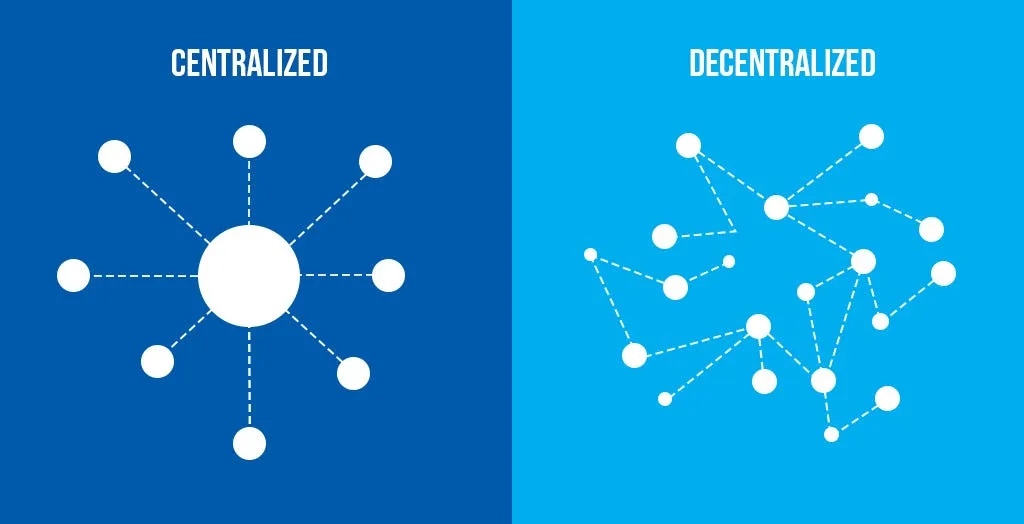
Traditional esports organizations concentrate control in the hands of investors and executives. DAO-controlled teams challenge this by allowing token holders to vote on decisions such as player recruitment, sponsorship deals, and tournament strategies. Smart contracts enforce rules transparently, ensuring fairness and accountability. For participants, this model blends fandom with governance, creating deeper emotional and financial investment in teams.
Retail Fans at the Forefront
Retail fans are embracing DAO teams enthusiastically. On TikTok and Discord, influencers show how a small number of tokens grants voting rights on key issues. Memes portray fans as “digital coaches” shaping lineups and strategies. For Gen Z, the appeal lies in empowerment, with esports evolving from a spectator sport into a participatory culture where communities directly influence outcomes.
Whales Fund Guild Expansion
Whales are playing critical roles in DAO-controlled esports by providing liquidity and funding infrastructure. Large wallets purchase governance tokens in bulk, stabilizing early markets. Some whales sponsor training facilities, equipment, and prize pools, acting as benefactors of the DAO ecosystem. While their influence raises concerns about centralization, their capital enables rapid growth and credibility.
AI Dashboards Track DAO Activity
AI dashboards bring visibility and accountability to DAO-controlled esports. Push notifications highlight updates like “10,000 fans voted on new roster change” or “sponsorship deal approved with 85 percent support.” Screenshots of these dashboards spread widely across gaming communities, making governance part of cultural storytelling. For fans, dashboards assure that their voices matter and decisions are enforced transparently.
Institutions Explore Esports DAOs
Institutions are cautiously experimenting with esports DAOs. Gaming companies consider partnerships to expand brand presence, while venture firms back guild tokens as new asset classes. Some universities are even studying esports DAOs as models for participatory governance in education. Institutional participation suggests that DAO-controlled esports are moving from experimental projects into mainstream recognition.
Regulatory Considerations
Governments are beginning to evaluate esports DAOs within broader frameworks for digital assets. Issues include taxation of token rewards, labor rights for players, and securities classification of governance tokens. Some jurisdictions encourage innovation, while others worry about the potential exploitation of fans. Analysts predict that regulation will evolve unevenly, but global interest will force policymakers to take esports DAOs seriously.
Cultural Narratives of Power and Belonging
Culturally, DAO-controlled esports are framed as revolutions in power and belonging. Memes show fans in jerseys holding voting tokens as symbols of pride, while traditional organizations are depicted as outdated hierarchies. Influencers highlight stories of fans voting on new merchandise or players shaping training schedules through community polls. For younger audiences, DAO teams resonate as symbols of fairness and digital democracy.
Risks That Remain
Despite excitement, risks remain. DAO governance can be slow or fragmented, with conflicting interests stalling decisions. Whale dominance threatens true decentralization, and poorly designed tokenomics may destabilize ecosystems. Technical vulnerabilities in smart contracts could expose teams to hacks. Analysts warn that esports DAOs must balance inclusivity with effective management to remain sustainable.
Conclusion
Gaming guilds launching DAO-controlled esports teams in 2025 are redefining competitive gaming by merging fandom with governance. Retail fans embrace empowerment, whales provide capital, AI dashboards amplify participation, and institutions cautiously engage. Regulators explore oversight, while cultural narratives celebrate fairness and community. Risks persist, but the direction is clear. Esports are no longer just competitions. They are becoming decentralized ecosystems where fans and players share control of the game.