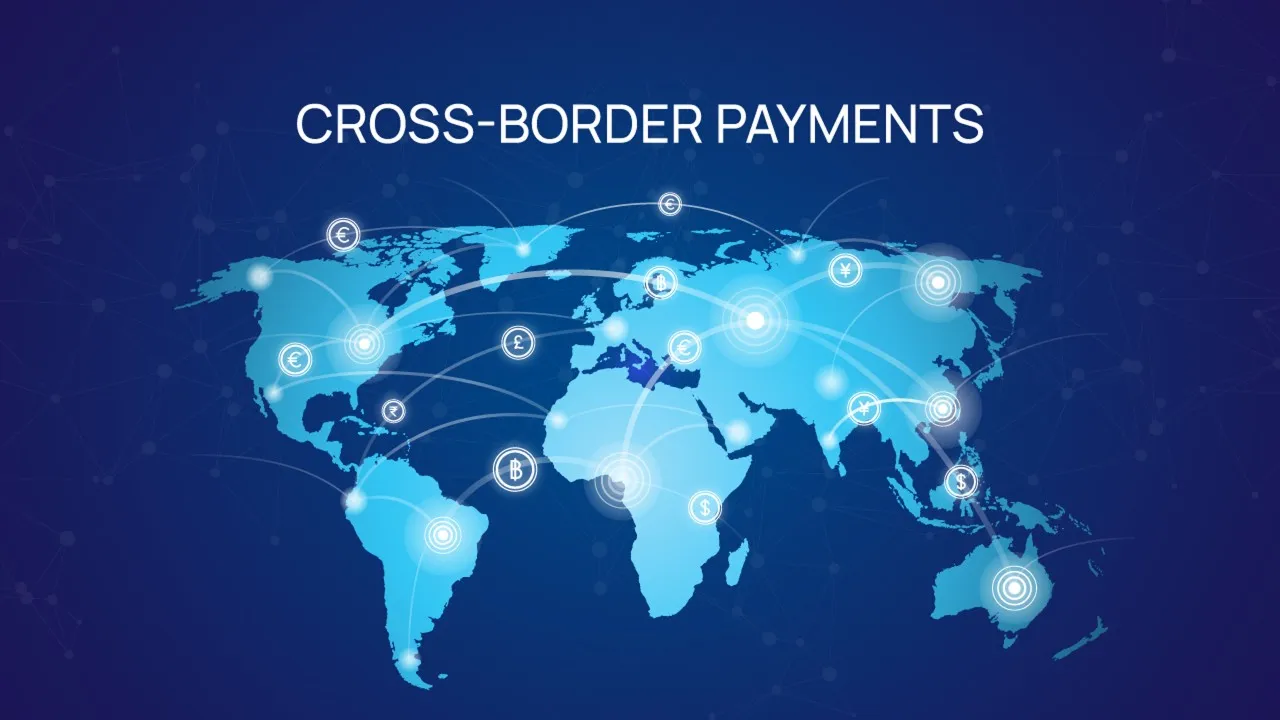
Lightning and stablecoins dominate migrant worker flows.
A Historic Milestone
In 2025, global cross-border remittances will have officially surpassed $1 trillion, a record-breaking figure powered by the rapid adoption of crypto payment rails. For decades, remittance markets relied on costly intermediaries and slow settlement systems. Today, migrant workers and their families are turning to Lightning payments and stablecoins to send money instantly, at a fraction of the cost. The milestone reflects not just financial progress but a cultural shift in how communities connect across borders.
Why Crypto Rails Dominate
Traditional remittance providers often charge fees between 5 and 10 percent, cutting deeply into the income of workers abroad. Crypto rails solve this problem with near-zero fees and near-instant transfers. Lightning payments built on Bitcoin provide fast microtransactions, while dollar-pegged stablecoins offer reliability without volatility. Together, they create a powerful infrastructure that bypasses legacy systems, giving families more control over their financial lives.
Retail Communities Drive Adoption
Retail users are at the heart of this transformation. Migrant workers in regions such as Southeast Asia, Africa, and Latin America now use mobile apps to convert salaries into stablecoins and send them home instantly. Tutorials circulate on TikTok and WhatsApp, showing families how to receive funds and cash out into local currencies. Memes depict crypto rails as “digital wings,” carrying money faster than planes. This cultural embrace ensures adoption spreads far beyond financial circles.
Whales and Payment Firms Accelerate Growth
Whales and large payment firms are fueling momentum by funding liquidity channels and infrastructure. Big wallets provide capital to remittance platforms, ensuring smooth transfers even during market volatility. Fintech startups backed by venture funds are building hybrid apps that integrate crypto rails with fiat gateways. Their investments make the system more reliable, scaling adoption from individuals to entire communities and businesses.
AI Dashboards Monitor Flows
AI dashboards amplify visibility by tracking real-time remittance flows. Push notifications highlight milestones such as “monthly volume surpasses $100 billion” or “U.S.–Mexico corridor leads global transfers.” Screenshots of these alerts spread rapidly across social media, turning technical data into cultural talking points. For policymakers and retail users, dashboards validate crypto rails as not just innovative but essential financial infrastructure.
Institutions Join the Trend
Institutions are experimenting with remittance-focused products. Some banks in Asia and the Middle East are piloting hybrid models where customers deposit fiat and receive stablecoin transfers abroad. International organizations are exploring partnerships with crypto firms to lower costs in humanitarian aid distribution. These moves signal growing recognition that crypto rails are not a fringe alternative but a mainstream necessity in global finance.
Regulatory Debates
Governments are reacting in mixed ways. Some embrace crypto rails as tools for financial inclusion, while others worry about capital flight and compliance challenges. Regulatory frameworks in the European Union and parts of Asia now require licensing for stablecoin remittance providers, while Latin America has adopted lighter rules to encourage adoption. The diversity of responses highlights the tension between innovation and oversight in this fast-growing market.
Cultural Narratives of Care and Connection
Culturally, remittances are more than financial transfers. They are lifelines of love and responsibility. Memes and influencer campaigns highlight migrant workers using crypto rails as heroes who provide for their families despite distance. The narrative frames stablecoins and Lightning not just as technologies but as symbols of care, connection, and empowerment. For families worldwide, the milestone represents dignity as much as convenience.
Risks That Remain
Despite the success, risks persist. Exchange rate volatility, scams, and technical literacy challenges remain barriers for some communities. Liquidity shortages in certain corridors can cause delays. Regulators worry about potential misuse for illicit flows. Analysts caution that while crypto rails solve many problems, education and safeguards are essential to protect vulnerable users.
Conclusion
Cross-border remittances surpassing $1 trillion in 2025 mark a historic milestone driven by Lightning and stablecoins. Retail users lead adoption, whales and firms provide scale, AI dashboards amplify visibility, and institutions cautiously join. Regulators wrestle with oversight while cultural narratives frame remittances as symbols of love and resilience. Risks remain, but the trajectory is clear. Crypto rails are no longer experiments. They are the backbone of global remittances, reshaping how families connect across borders.