Introduction
The persistent strength of the U.S. dollar continues to challenge emerging-market economies, particularly those heavily reliant on imported energy, food, and technology components. As the dollar maintains its elevated position against a basket of major currencies, import costs for developing nations have surged, intensifying inflationary pressures and straining balance-of-payments stability. Many central banks in these economies face the difficult task of containing price growth without derailing fragile recoveries.
The dynamics of this situation extend beyond simple exchange-rate arithmetic. The dollar’s dominance influences global pricing benchmarks, funding costs, and payment settlements across sectors. Emerging markets that import intermediate goods or fuel for industrial production face a cascading effect, where currency weakness amplifies local inflation even when domestic demand remains subdued. This imbalance underscores how the global financial framework continues to revolve around dollar liquidity, shaping trade outcomes and investment behavior worldwide.
Dollar Demand and Global Supply Chains
The renewed demand for the U.S. dollar stems from both cyclical and structural factors. Elevated Treasury yields, robust labor market data, and cautious Federal Reserve messaging have drawn global capital back to U.S. assets. This inflow has tightened dollar liquidity abroad, particularly in emerging economies where corporate borrowing and commodity trade settlements depend heavily on dollar funding.
The result is a feedback loop that affects supply chains. Higher dollar costs reduce the purchasing power of local importers, forcing businesses to either cut volumes or pass higher prices on to consumers. In industries such as manufacturing and energy distribution, these pressures compress margins and heighten vulnerability to external shocks. For countries without deep financial markets or strong export buffers, the dollar’s rise acts as an invisible tax that filters through nearly every layer of economic activity.
Import-Driven Inflation and Policy Strain
Rising import bills have reignited inflation in several emerging economies that had begun to see relief earlier this year. Countries in Asia, Africa, and Latin America report double-digit increases in fuel and food import costs. Central banks that once paused tightening cycles are now reconsidering rate adjustments to defend currencies and stabilize expectations. The tension between supporting growth and controlling inflation has become the defining policy dilemma.
Some economies have attempted targeted measures such as import subsidies or temporary foreign-exchange interventions. While these efforts can slow the pace of currency depreciation, they often deplete reserves and add fiscal strain. The underlying issue remains the same: dependence on dollar-priced imports limits policy autonomy. As long as the dollar remains firm, inflationary pressure will continue to creep into economies that lack the capacity to hedge effectively against external shocks.
Trade Balances and Currency Adjustment
The imbalance between import costs and export earnings is widening across much of the developing world. For resource exporters, a strong dollar can erode the value of commodity revenues, especially when prices are denominated in the same currency. Meanwhile, manufacturing-based economies face reduced competitiveness as rising input costs outpace export gains. The adjustment mechanism, typically reflected in currency depreciation, becomes a double-edged sword.
A weaker currency theoretically supports exports, but in practice, it magnifies imported inflation and raises servicing costs for dollar-denominated debt. This dynamic has led to renewed calls for more diversified reserve management and greater use of local currencies in trade settlement. However, the transition is gradual. Structural dependencies and limited convertibility prevent a rapid shift away from the dollar-based system. For now, most economies remain anchored to the existing order, even as they explore incremental reforms.
The Role of Sovereign Debt and Dollar Liquidity
Sovereign debt structures amplify the sensitivity of emerging markets to dollar fluctuations. Many nations rely on external borrowing to finance infrastructure and social programs. When the dollar appreciates, debt servicing costs rise, eroding fiscal space and forcing governments to reprioritize spending. The resulting austerity can weaken domestic demand and slow investment cycles, creating a feedback effect that reinforces vulnerability.
Global lenders and multilateral institutions are watching these dynamics closely. While some countries have secured concessional loans or debt relief, others face heightened refinancing risks. Market access for new bond issuances has tightened as investors demand higher yields to compensate for currency volatility. For policymakers, maintaining credibility with investors while supporting growth at home has become an increasingly complex balancing act.
Financial Innovation and Transparent Liquidity Models
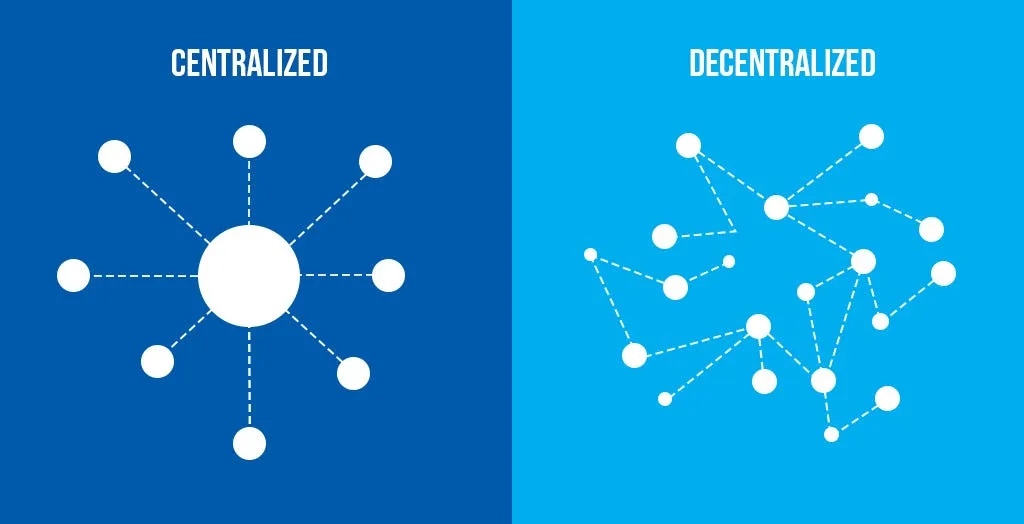
Amid these pressures, financial innovation is gradually reshaping how liquidity is managed in both traditional and decentralized environments. Modular finance systems that emphasize transparent collateralization and programmable transaction layers have begun to emerge as supplemental tools for liquidity optimization. These structures mirror the discipline of reserve-backed systems but operate with greater adaptability across borders and asset classes.
For emerging economies, the adoption of transparent and modular financial solutions could improve access to short-term liquidity during periods of stress. Such systems offer the ability to verify asset backing and transaction flow in real time, aligning well with the demand for trust and stability in cross-border finance. Although these innovations are still developing, they reflect a shift toward more accountable frameworks that draw lessons from both traditional reserves and modern digital architectures.
Commodity Pricing and External Balances
The relationship between commodity pricing and dollar strength remains a key determinant of trade performance. When the dollar appreciates, global commodity prices often decline in nominal terms. While this can benefit importers in advanced economies, emerging markets rarely capture the advantage because local currency depreciation offsets the price decline. For energy-importing nations, the combination of high dollar-denominated prices and weak exchange rates can create persistent current-account deficits.
Exporters face a similar paradox. A stronger dollar tends to lower global commodity demand, reducing export revenues. This effect is particularly evident in metals, oil, and agricultural products. As a result, many emerging markets find themselves in a cycle where they neither fully benefit from rising prices nor escape the burden of import inflation. The challenge lies in balancing trade flows without exhausting reserves or inviting speculative attacks on local currencies.
Investor Behavior and Capital Allocation
Investor sentiment toward emerging markets has cooled in recent months. Portfolio flows into local bonds and equities have slowed as the cost of hedging currency exposure rises. In addition, the attractiveness of U.S. assets has increased due to higher real yields and stable policy guidance. These shifts leave emerging markets more dependent on domestic savings and multilateral support.
However, within this cautious landscape, some investors see opportunity. Sovereign debt in select countries now offers historically high yields, while currencies have adjusted to reflect much of the downside risk. The key variable remains the dollar’s trajectory. If the U.S. currency stabilizes or begins to weaken, even modestly, risk appetite could return. Until then, capital allocation will remain skewed toward safety, reinforcing the uneven distribution of global liquidity.
Conclusion
The strength of the U.S. dollar continues to shape the global economic hierarchy, particularly for emerging markets that depend on imported goods and external financing. The resulting inflationary pressures and fiscal constraints expose the vulnerabilities of a system still deeply anchored in dollar liquidity. While alternative models and transparent financial frameworks are emerging, they have yet to achieve the scale necessary to alter the core dynamics of global trade and finance.
For policymakers and investors, the lesson is clear. Adaptation must come through diversification, discipline, and innovation. Systems that prioritize transparency and modular liquidity management are gaining relevance as tools for resilience. Whether through refined fiscal planning or the gradual evolution of decentralized financial infrastructure, the capacity to navigate a strong-dollar world will define the next phase of global economic strategy.