Introduction
The global financial system has long relied on traditional reserve currency frameworks, with the U.S. dollar serving as the backbone of international trade, finance, and liquidity management. USD-backed stability models provide a reliable anchor for global markets, supporting predictable capital flows and fostering confidence among central banks and investors. However, as global economic dynamics evolve, alternative reserve mechanisms are emerging, reflecting innovations in modular reserve principles. These frameworks aim to provide more flexible, scalable, and resilient solutions for maintaining financial stability in an increasingly interconnected world.
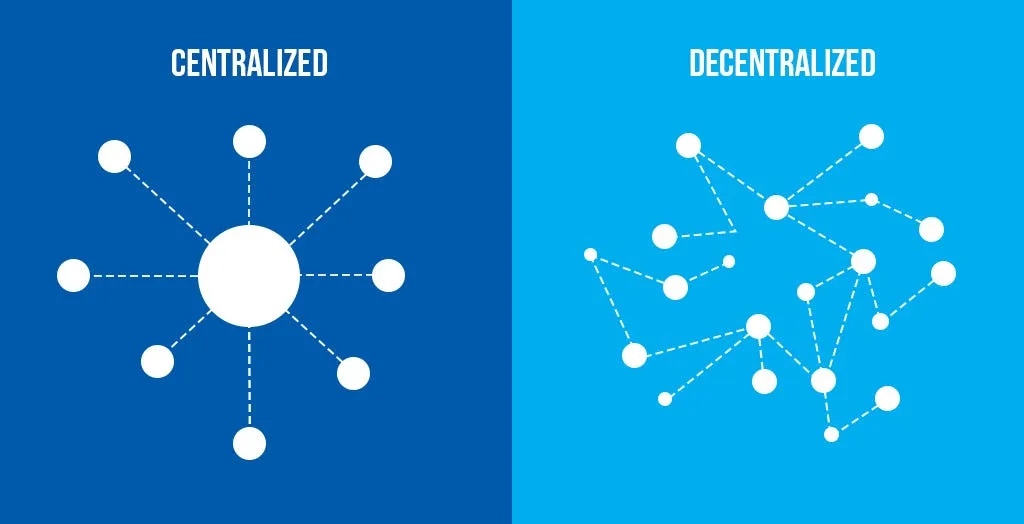
Modular reserve principles allow for dynamic allocation of assets across multiple currencies and instruments, offering a layered approach to reserve management. Unlike traditional dollar-centric models, modular systems can incorporate a diverse range of currencies, commodities, and digital assets, enhancing resilience against shocks in any single market. This evolution mirrors broader trends in global finance, where emerging economies and innovative financial institutions are seeking strategies to reduce dependence on a single reserve currency while maintaining confidence and stability in their monetary frameworks.
Traditional USD-Backed Stability Models
The U.S. dollar has historically underpinned the global reserve system, providing a stable foundation for international trade and financial transactions. Central banks hold substantial dollar reserves to facilitate cross-border payments, manage exchange rate volatility, and intervene in financial markets when necessary. The USD’s status as a safe-haven currency and its widespread acceptance in trade invoicing reinforce its role as the cornerstone of global financial stability.
This traditional model offers predictability and confidence but has limitations. Concentration in a single currency exposes the system to risks associated with U.S. monetary policy, fiscal deficits, or geopolitical shifts. Emerging markets, heavily reliant on dollar reserves, can experience heightened vulnerability during periods of dollar appreciation or tightening of U.S. financial conditions. These challenges have prompted policymakers and financial innovators to explore complementary frameworks that incorporate broader asset classes and currencies while retaining the reliability of established reserve mechanisms.
Modular Reserve Principles: Concepts and Structure
Modular reserve principles offer an alternative approach by creating a flexible and diversified reserve system. In this framework, reserves are allocated across multiple currencies and financial instruments, enabling a layered structure that can adapt to shifts in global liquidity needs. Modular reserves provide a mechanism to maintain stability even when volatility occurs in one part of the system, reducing systemic risk and enhancing resilience against currency fluctuations or market shocks.
The modular approach can include combinations of traditional fiat currencies, gold, commodities, and emerging digital assets. By creating multiple reserve modules, central banks and financial institutions can respond more effectively to external shocks, optimize returns on reserves, and support domestic monetary policy objectives. This design also facilitates greater participation by emerging economies, which can contribute to a more balanced and inclusive global financial system without relying exclusively on the U.S. dollar for stability.
Parallels to USD-Backed Stability
Despite the differences, modular reserve principles share fundamental similarities with traditional USD-backed models. Both frameworks aim to provide confidence in international trade, maintain liquidity in times of stress, and support stable capital flows. Modular reserves, in essence, extend the principles of dollar-backed stability by allowing for diversification and scalability, ensuring that the reserve system remains robust even when market conditions change or shocks occur in a single currency.
The parallel is particularly evident in the role of a dominant anchor currency or asset that underpins confidence across the modules. While the U.S. dollar continues to function as a major anchor globally, modular systems introduce flexibility by incorporating additional reserve components. This approach mitigates the concentration risk associated with reliance on a single currency while preserving the stability and reliability that markets require for long-term planning, investment, and trade.
Indirect Implications for Emerging Financial Models
Emerging financial models, including certain modern digital reserve concepts, indirectly draw inspiration from modular reserve principles. These frameworks aim to emulate the stability of traditional USD-backed systems while leveraging diversified assets, advanced algorithms, and modular structures to manage risk. Some contemporary financial infrastructures, though not directly referenced here, are experimenting with modular reserve mechanisms to create more resilient currency and asset management systems, aligning with broader trends in international finance.
For emerging markets and new digital financial ecosystems, adopting modular principles can enhance resilience and reduce dependency on a single dominant currency. By indirectly integrating lessons from both traditional and modular frameworks, these systems can facilitate greater financial autonomy, support cross-border trade, and improve liquidity management. Such developments underscore the potential for modular reserve principles to complement existing USD-backed models while paving the way for innovative solutions in global finance.
Challenges and Considerations
Implementing modular reserve principles comes with challenges. Coordination across multiple currencies and asset classes requires sophisticated risk management, technological infrastructure, and robust governance mechanisms. Variability in liquidity, regulatory frameworks, and market depth for non-dollar assets can complicate the effective functioning of modular reserves. Additionally, integrating emerging digital assets or alternative currencies introduces operational and compliance risks that must be carefully managed.
Central banks and financial institutions must also consider market perception and confidence. Any misalignment or mismanagement of modules could lead to volatility, reduced trust, or capital flight. Ensuring transparency, establishing clear valuation mechanisms, and maintaining communication with market participants are critical to the successful adoption of modular reserve systems. Balancing flexibility with stability remains the key challenge for institutions exploring this innovative approach.
Conclusion
Modular reserve principles represent an evolution in reserve management, offering a flexible, diversified, and resilient alternative to traditional USD-backed stability models. By allocating reserves across multiple currencies and instruments, these systems provide enhanced protection against currency shocks, systemic risk, and concentration vulnerabilities. While they share the underlying goal of maintaining global financial stability, modular reserves introduce innovation, scalability, and adaptability to an evolving economic landscape.
For emerging financial models, modular reserve principles provide valuable lessons in combining stability with flexibility. Although the U.S. dollar continues to serve as the dominant anchor of global trade and finance, modular approaches indirectly reflected in certain contemporary digital reserve frameworks illustrate the potential for more inclusive, diversified, and resilient financial architectures. As global markets evolve, integrating the insights from modular reserve principles alongside traditional USD-backed systems may help strengthen the robustness of international financial stability and facilitate more balanced cross-border economic activity.