Global financial markets have entered a period of recalibration as trade policies, currency fluctuations, and shifting investor sentiment shape the outlook for 2025. A year into the new U.S. administration, tariffs and fiscal policy adjustments have influenced capital flows, asset valuations, and global trade dynamics.
The U.S. dollar has remained firm against major currencies as investors responded to stronger economic data and expectations of continued policy tightening. Analysts say the greenback’s resilience has weighed on emerging-market currencies and contributed to volatility in global commodity prices. Oil and metals have faced pressure from both a stronger dollar and uneven demand growth, while equities in key Asian and European markets have struggled to regain momentum.
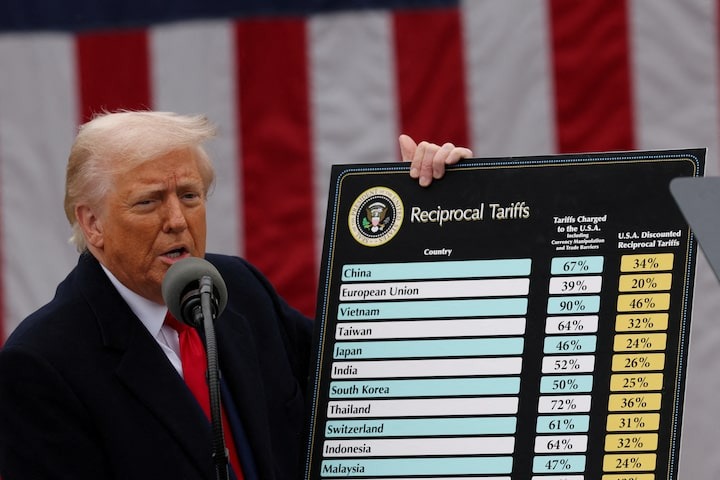
Tariff policy has been a central factor in market behavior this year. Renewed U.S. trade measures on selected imports have prompted reconfigurations in supply chains, particularly in the auto and electronics sectors. While some industries benefited from domestic incentives, others have faced higher costs and pricing uncertainty. Economists note that these trade adjustments have led companies to diversify sourcing and consider production relocation to offset tariff exposure.
In the currency and commodities space, investors have sought safety in traditional hedges. Gold reached record highs earlier this year as concerns over trade and inflation supported demand for safe-haven assets. Meanwhile, Bitcoin’s rise to a new peak above 125,000 dollars in October reflected renewed institutional interest, though analysts caution that market volatility remains elevated across digital assets.
Bond markets have also adjusted to shifting fiscal conditions. U.S. Treasury yields edged higher as investors priced in fiscal expansion and supply-side pressures. In Europe and Asia, central banks maintained cautious stances, balancing inflation management with support for domestic growth.
Market strategists expect that the coming months will bring continued divergence between regions, with North American equities potentially outperforming amid stronger consumer demand, while trade-dependent economies may face slower recoveries. Global investors are monitoring developments in tariffs, energy prices, and monetary policy as key indicators for the direction of capital flows.
Overall, 2025 has underscored how interconnected trade policy and currency strength remain in shaping global markets. As businesses and investors adjust to a new policy landscape, stability may depend on how effectively major economies coordinate growth and manage fiscal transitions.