Claims about the decline of the dollar surface regularly, usually tied to rising debt, geopolitical tension, or alternatives to dollar based payments. Yet these narratives often misunderstand what power means in modern finance. The dollar’s influence is not fading. It is evolving. Rather than dominating through visibility alone, it increasingly enforces its role through structure, access, and dependency.
Dollar power today is less about headline exchange rates and more about how global finance is organized. Settlement systems, funding markets, and balance sheet incentives quietly reinforce dollar centrality even as usage patterns adapt. The system looks more complex, but its foundation remains firmly anchored.
Dollar Power Is Embedded in Financial Infrastructure
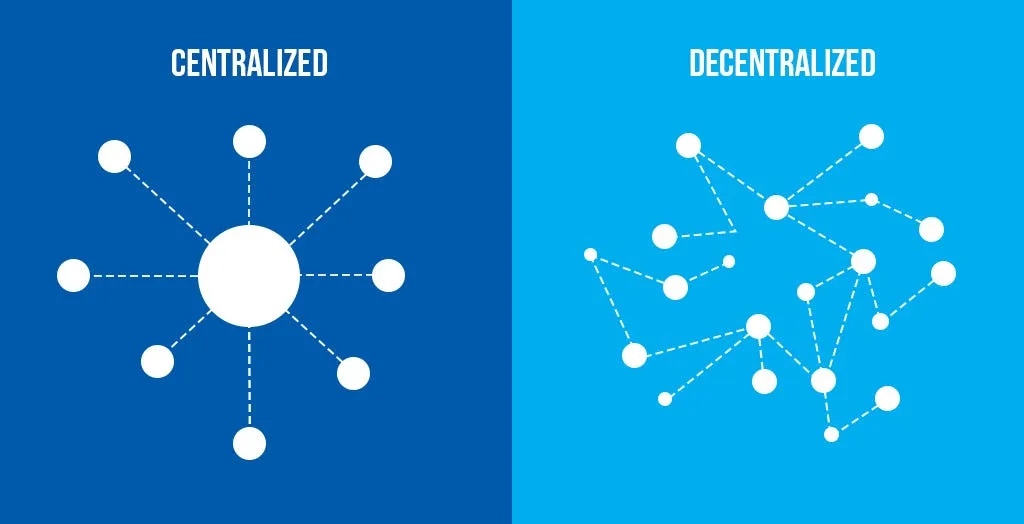
The strongest form of power is structural. The dollar sits at the core of global settlement, funding, and collateral frameworks. This positioning gives it influence regardless of trade invoicing trends or bilateral currency experiments.
Financial institutions around the world manage liquidity, risk, and compliance through dollar based systems. Even when transactions occur in other currencies, they often reference dollar funding markets indirectly.
This embedded role means the dollar does not need constant visibility to remain dominant. Its influence operates through the architecture of finance itself.
Enforcement Happens Through Access Not Announcement
Modern dollar power is enforced through access. Institutions that want to participate in global finance need reliable dollar liquidity and settlement pathways.
Access to these pathways depends on regulatory alignment, balance sheet credibility, and integration with global financial norms. This creates a powerful incentive structure.
Rather than issuing ultimatums, the system rewards compliance and consistency. The dollar enforces itself by being indispensable.
Funding Markets Are the Real Anchor
Dollar funding markets are central to global liquidity. Banks, corporations, and governments rely on them to manage cash flow and risk.
When funding tightens, the impact is immediate and global. This sensitivity reinforces the dollar’s role as the reference point for financial conditions.
Other currencies may grow in usage, but none replicate the depth and flexibility of dollar funding at scale.
Alternative Systems Still Reference the Dollar
Efforts to build alternative payment systems or settlement rails often claim independence. In practice, many still reference the dollar indirectly.
Pricing benchmarks, risk management models, and collateral frameworks frequently anchor to dollar terms. Even diversification strategies measure success relative to dollar exposure.
This reliance reflects practicality rather than ideology. The dollar remains the most efficient coordination mechanism available.
Policy Influence Extends Beyond Borders
Dollar power also expresses itself through policy transmission. Changes in financial conditions ripple outward, influencing global capital flows and asset pricing.
Countries may pursue monetary independence, but global markets respond to dollar conditions regardless. This creates alignment even without formal coordination.
The dollar’s reach is not enforced through control, but through relevance.
Why Visibility Can Decline Without Weakening Power
As systems mature, dominance becomes less visible. Infrastructure fades into the background because it works.
The dollar’s reduced visibility in some transactions does not signal retreat. It signals normalization. The system relies on it without needing constant reinforcement.
Power exercised quietly is often more durable than power exercised loudly.
The Risk of Misreading Change as Decline
Mistaking evolution for decline leads to flawed conclusions. Markets that expect sudden displacement misunderstand how deeply integrated the dollar is.
Change occurs at the margins, while the core remains intact. Alternatives coexist, but they orbit rather than replace.
Understanding this distinction helps avoid mispricing risk and misjudging global stability.
Implications for Markets and Strategy
For investors and policymakers, the key takeaway is adaptability. Dollar dominance does not mean rigidity.
The system evolves, incorporating new tools and channels while preserving core functions. Strategies that recognize this continuity perform better than those betting on abrupt shifts.
The dollar remains central because it adapts without losing control.
Conclusion
The dollar is not losing power. It is changing how that power is enforced. Influence now flows through infrastructure, access, and funding rather than visibility alone. This quieter form of dominance is more resilient and harder to displace. In a complex global system, the dollar remains the coordinating force, not by resisting change, but by shaping how change works.