The United Kingdom’s real estate sector is moving into a new digital era as Lloyds Bank tests an automated home buying process powered by artificial intelligence and blockchain technology. The pilot aims to address long standing inefficiencies in property transactions, particularly slow paperwork cycles and limited transparency. By redesigning the process with digital tools, Lloyds hopes to create a smoother and more predictable experience for buyers, sellers, and service providers across the market. The project is one of the most notable examples of a major bank using advanced technologies to modernize everyday financial interactions.
Traditional home buying in the UK involves several parties and often takes months to complete. Delays arise from fragmented systems, manual verification, and repeated document checks. Lloyds Bank is exploring how automation can reduce these friction points without removing the legal protections built into the process. The bank’s initiative reflects a growing belief that real estate transactions can benefit from trusted digital frameworks that speed up verification, coordinate data more effectively, and provide secure records of key steps.
Why Lloyds Is Turning to AI and Blockchain for Property Transactions
The most important driver behind the pilot is the need for faster and more reliable processing. AI systems can review documents, extract relevant data, and flag issues earlier in the home buying timeline. This can reduce the bottlenecks that typically form when multiple agencies and professionals must review the same information. AI tools can also help verify identity and assess documentation more consistently, which supports both efficiency and compliance. Lloyds sees automation as a way to improve customer experience while reducing the operational cost of manual checks.
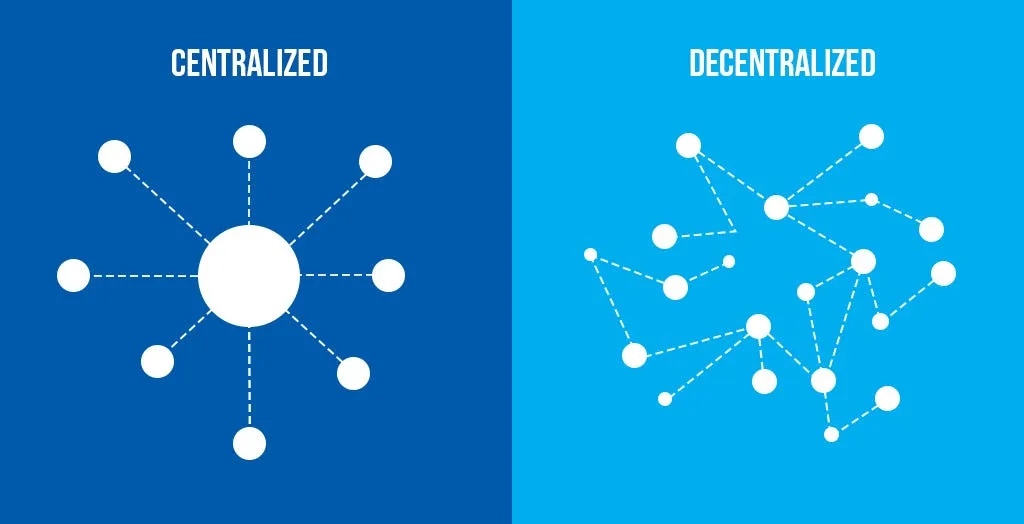
Blockchain supports another layer of the solution. Real estate transactions involve records that must remain secure and tamper resistant. Blockchain ledgers can store validated information with time stamped accuracy, providing a clear and traceable history. This approach helps reduce disputes, especially when different parties rely on shared data for legal and financial decisions. Lloyds is testing how a secure ledger can coordinate steps such as proof of funds, offer acceptance, and completion timelines. The combination of AI and blockchain aims to remove uncertainty and streamline how information flows throughout the process.
How the Pilot Works in Practice
Lloyds Bank is working with technology partners to map out each stage of the home buying journey and identify where automation can have the largest impact. Early components of the pilot include automated document reviews, digital identity verification, and blockchain based logs of key milestones. The system is designed to support interactions between buyers, banks, lawyers, and estate agents. Rather than replacing these participants, the technology creates a platform that allows them to collaborate more efficiently.
Automation reduces repeated steps that slow down traditional transactions. For example, a buyer’s documentation may be checked multiple times by different parties throughout the process. With AI assisted verification, data can be validated once and then shared securely through the system. Blockchain provides assurance that the data has not been altered. The goal is to shorten timelines by removing unnecessary duplication and reducing uncertainty about what documents have been submitted and approved.
What This Means for the Future of Real Estate Services
The adoption of AI and blockchain in the property market could have wide implications beyond individual transactions. If pilots like Lloyds’ project succeed, real estate services may shift toward more digital first models. Estate agents and legal professionals could benefit from standardized data flows and automated administrative tasks. Buyers could gain more visibility into progress and avoid unexpected delays. Banks may also reduce operational risk by relying on systems that detect errors early and maintain more accurate records.
This shift also signals how financial institutions are adapting to digital expectations. Consumers increasingly prefer processes that are transparent and easy to track. Banks that modernize core services may gain a competitive advantage by offering smoother experiences. Real estate is one of the most complex consumer finance journeys, so improvements in this area could set standards for the broader industry.
Potential Challenges in Scaling the Technology
Despite the promising outlook, challenges remain. Real estate transactions involve legal frameworks that vary across regions, and technology must align with these requirements. Data privacy is another important factor. AI and blockchain systems must ensure that sensitive information is handled securely and only shared when necessary. Integration with public records and third party service providers may also require significant coordination. Lloyds is approaching the pilot cautiously, evaluating how to scale the system without compromising reliability.
Conclusion
Lloyds Bank’s pilot demonstrates how AI and blockchain can modernize one of the most time consuming financial journeys. By improving verification, enhancing transparency, and coordinating data on secure digital rails, the system aims to accelerate the home buying process while maintaining legal and operational standards. If successful, the approach could influence how real estate services evolve and encourage broader adoption of automated financial infrastructure.