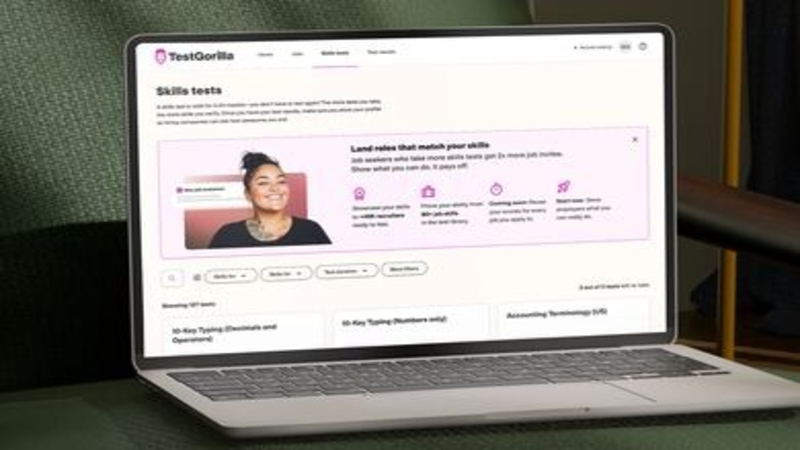
Wall Street is pushing deeper into AI powered operations while simultaneously clamping down on job applicants who try to use the same technology to get hired, creating an unusual divide between internal innovation and external gatekeeping. Banks have spent the past two years rolling out AI tools across customer service, trading analytics and complex deal workflows, advertising them as force multipliers for employee productivity. Yet behind the scenes, firms are scrambling to filter out candidates who rely on generative AI during interviews or online assessments. Recruiters monitoring large applicant pools say virtual testing, adopted widely during the pandemic, has made it easier for hopefuls to turn to AI assistants for support. Hiring teams now fear these tools could mask weaknesses that would surface once candidates step into demanding roles. This tension has introduced a new layer of digital scrutiny, turning recruitment platforms into real time detection environments as AI driven monitoring flags unusual language patterns and response behaviors during interviews.
What makes the shift even more striking is that many of the same firms enforcing restrictions are also urging employees to embrace AI in their daily work. From retail staff assisting customers with account issues to investment banking teams using generative tools to organize complex transactions, AI has become deeply embedded across major institutions. Applicants, especially recent graduates, argue that using generative tools in interviews reflects the modern workflow these firms promote. But banks remain cautious, concerned that unchecked use during hiring could distort skill evaluations or undermine the integrity of competitive programs. Internal analytics teams have begun testing layers of AI detection software to identify responses that appear artificially enhanced, while some firms revisit assessment design to emphasize spontaneous reasoning rather than polished AI assisted answers. The friction underscores how quickly hiring norms are being rewritten as generative tools move from novelty to default option for a growing part of the workforce.
As detection systems expand, candidates are adjusting strategies in an environment where firms champion AI innovation while restricting its use at the entry gate. Hiring managers report rising debates over how much AI support should be allowed in early screening, especially as the lines between research assistance, productivity tools and unsanctioned help blur. Market analysts observing these trends say Wall Street’s stance reflects broader concerns about workforce readiness and the difficulty of distinguishing genuine skill from AI generated fluency. Institutions remain determined to protect high stakes hiring channels even as they continue accelerating AI integration across internal functions. The rapid spread of generative tools has turned recruitment into one of the latest pressure points in the financial sector’s digital transformation, revealing how the technology that boosts operational performance can complicate the process of choosing who gets to use it. With firms leaning heavily into automation elsewhere, the hiring paradox has become a signal of how uneven AI adoption can look when incentives split between efficiency and evaluation.