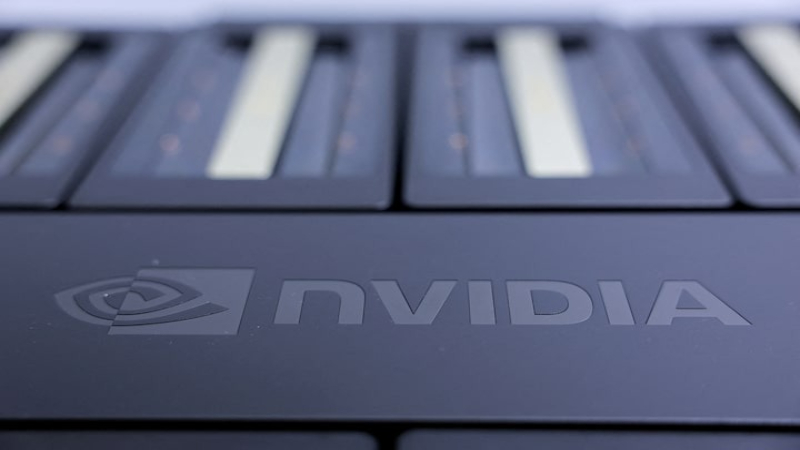
The global AI surge is triggering a full scale silicon rethink as the world’s biggest tech giants move aggressively to develop their own chips and reduce dependence on Nvidia’s near total dominance in advanced processors. After years of treating semiconductors as something best outsourced to specialists, companies like Google, Microsoft, Amazon and Meta are now building in house silicon teams to power the next generation of AI systems. The shift comes as Nvidia’s leadership in graphics processors and data center hardware continues to expand, giving it enormous pricing influence across a market where demand keeps accelerating. Analysts estimate Nvidia will generate massive margins on data center sales next year, adding pressure on competitors to find cheaper and more efficient alternatives. Meanwhile, the cost of training frontier models has jumped dramatically, doubling every year since the mid twenty tens, pushing projected expenses for the largest systems toward the billion dollar mark by the late twenty twenties. These economics are forcing large cloud providers to design their own application specific processors tuned precisely for their infrastructure and model architectures, enabling faster performance and lower operational burden as AI workloads scale across the globe.
Companies that once relied on off the shelf chips are now investing heavily in custom designs like Google’s TPUs or Meta’s emerging processors as they race to optimize training and inference at unprecedented scale. These bespoke AI chips allow firms to integrate hardware directly with their data center environments, refining everything from algorithmic performance to cooling systems in pursuit of improved efficiency. Microsoft has championed a vertically aligned approach that spans software, servers and silicon to improve its cloud platform’s responsiveness under heavy AI use. The trend toward custom silicon has been helped by a manufacturing landscape where companies do not need to physically produce the chips themselves. Instead, they partner with major firms like Broadcom, Marvell and MediaTek which assist in design, engineering and supply chain management before routing fabrication to high end foundries such as Taiwan Semiconductor Manufacturing. Forecasts suggest the AI ASIC market could grow rapidly over the next several years, reflecting a new phase where specialized processors form the backbone of AI infrastructure rather than traditional GPUs alone.
The rise of custom AI chips reflects both competitive urgency and strategic necessity as companies work to avoid bottlenecks that could slow global AI adoption. While Nvidia remains the dominant supplier and continues to expand its technological lead, the rise of in house chip development indicates that big tech firms are no longer willing to rely solely on external suppliers for their most critical AI foundation. Market watchers say the dynamic is reshaping the semiconductor ecosystem and accelerating investments in new architectures designed specifically for AI. With the industry’s growth curve still steep and demand for compute reaching historic highs, the race to build faster, cheaper and more powerful silicon has become central to the broader evolution of digital intelligence.