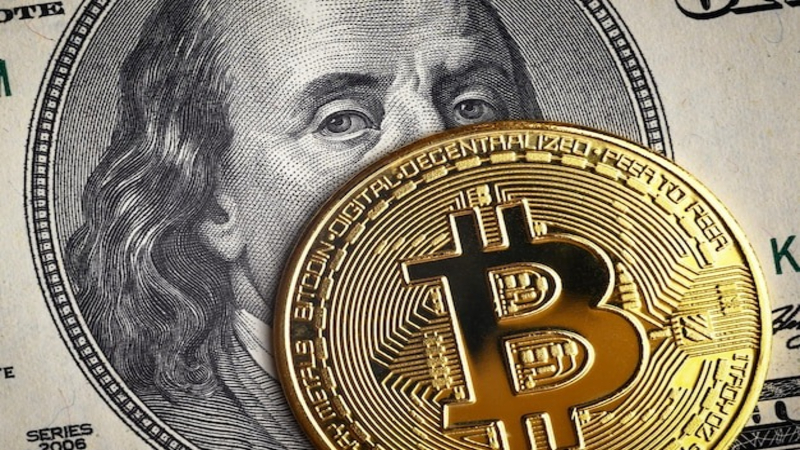
Seeing Bitcoin rise at the same time as the US dollar unsettles many market participants. The traditional playbook says a strong dollar tightens global liquidity and pressures risk assets. Bitcoin, often grouped with high beta trades, is expected to struggle in that environment. Yet markets are repeatedly showing a different pattern where both assets attract bids simultaneously.
This is not a short term anomaly. It reflects a changing regime where Bitcoin and the dollar can serve different roles at the same time. Understanding why this happens helps explain recent market behavior and avoids misreading moves as contradictions or temporary distortions.
Why Bitcoin and the Dollar Can Rise Together
The key to this regime is recognizing that Bitcoin is no longer trading on a single narrative. It is not just a speculative risk asset. It also functions as a balance sheet hedge, a liquidity alternative, and a vehicle for expressing conviction outside traditional systems.
When uncertainty rises, capital seeks assets with perceived resilience. The dollar benefits as the world’s primary settlement and funding currency. Bitcoin benefits as an asset with limited supply and independence from policy discretion. These motivations are not mutually exclusive.
In this environment, both assets can absorb demand driven by caution rather than optimism. The bid reflects a search for reliability, not leverage.
Liquidity Stress Changes Correlation Logic
Classic correlation assumptions break down during liquidity stress. When markets worry about funding conditions, geopolitical risk, or policy credibility, capital does not rotate cleanly from one asset to another. It clusters around perceived anchors.
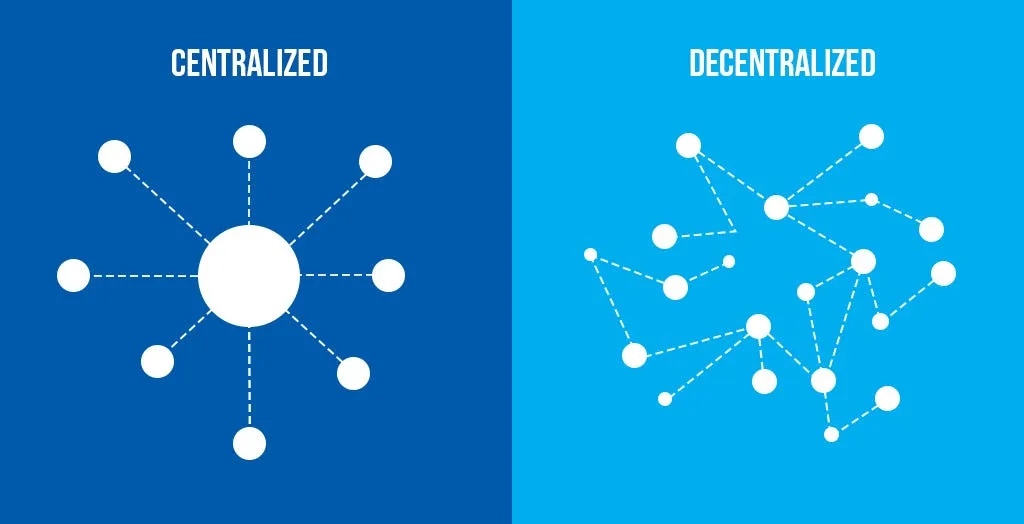
The dollar anchors global liquidity. Bitcoin anchors digital scarcity. When stress rises without tipping into crisis, both can attract flows. This produces the both up regime that confuses traditional risk models.
This dynamic is especially visible when equity markets hesitate. Instead of rotating fully into stocks or bonds, investors diversify across non correlated anchors. Bitcoin and the dollar both benefit from that behavior.
Flow Behavior Reveals the Real Signal
Looking at price alone hides the mechanism. Flow behavior provides clearer insight. During these periods, dollar strength is often driven by defensive positioning rather than aggressive yield chasing. Bitcoin inflows, meanwhile, tend to be steady rather than euphoric.
This combination signals accumulation rather than speculation. Large participants position quietly, using Bitcoin as a long duration allocation while holding dollars for flexibility. The absence of extreme leverage supports the idea that this is a regime, not a blow off move.
When both assets rise without sharp volatility spikes, it suggests alignment rather than conflict. The market is expressing caution through ownership, not through panic.
Macro Uncertainty Is the Common Driver
The shared driver behind this regime is uncertainty about the future path of policy and growth. When markets lack confidence in forecasting outcomes, they gravitate toward assets that reduce dependence on forecasts.
The dollar reduces uncertainty through liquidity and settlement dominance. Bitcoin reduces uncertainty through fixed supply and network independence. Neither requires a strong growth outlook to justify demand.
This explains why the both up regime often appears when macro data is mixed. Inflation cools unevenly. Growth slows selectively. Policy signals diverge. In that fog, clarity becomes more valuable than yield.
Why This Is Not a Short Term Fluke
Short term anomalies fade quickly. Regimes persist because behavior reinforces them. As more participants observe that Bitcoin and the dollar can rise together without breaking the system, confidence in the pattern grows.
This does not mean the relationship is permanent. It means the old assumption of automatic opposition no longer holds. Correlations have become conditional.
The regime tends to persist until one asset’s role becomes less relevant. If risk appetite surges strongly, the dollar may weaken while Bitcoin accelerates. If crisis hits, Bitcoin may behave differently. But in prolonged uncertainty, both can coexist on the bid.
What This Means for Market Interpretation
For traders, the biggest mistake is forcing a conflict narrative. Expecting one asset to fall simply because the other rises leads to poor positioning. Context matters more than correlation history.
For investors, the regime supports diversification logic. Bitcoin is no longer just a bet on liquidity expansion. It can perform alongside a strong dollar when uncertainty dominates.
For analysts, it highlights the importance of regime awareness. Markets evolve. Relationships change. Treating both up as a signal rather than a puzzle improves decision making.
What to Watch Next
The durability of this regime depends on volatility and leverage. As long as both assets rise without extreme speculation, the pattern remains healthy.
Watch whether dollar strength reflects stress or confidence. Watch whether Bitcoin inflows remain steady rather than explosive. These details reveal whether alignment is constructive or fragile.
If both assets continue to absorb demand calmly, the regime is intact.
Conclusion
Bitcoin bid and dollar bid is no longer a contradiction. It reflects a regime shaped by uncertainty, liquidity preference, and demand for resilient assets. When both rise together, it signals caution and accumulation, not confusion. Recognizing this helps investors read markets as they are, not as they used to be.