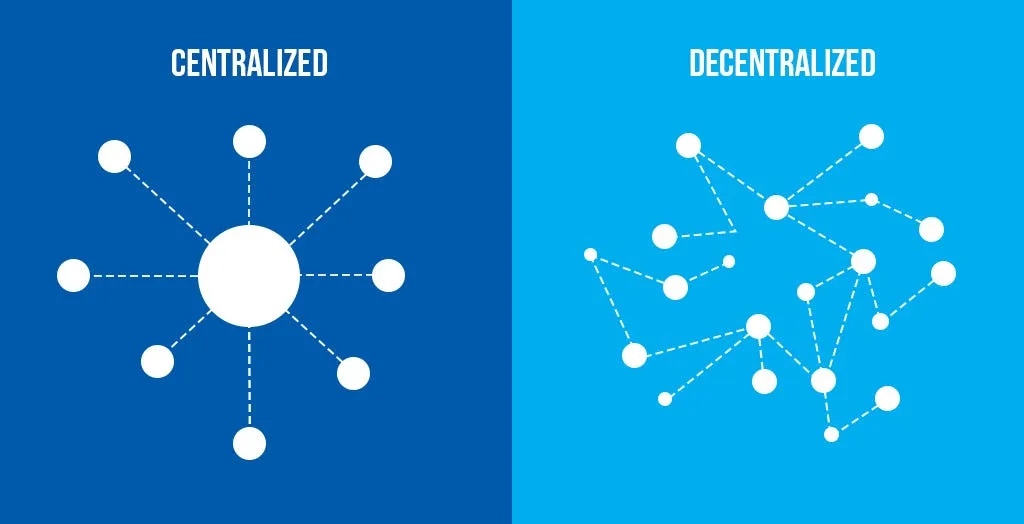
Higher input prices squeeze margins, forcing miners to adapt.
Energy Crunch Hits Miners
Bitcoin mining has always been a game of margins. When energy is cheap, miners thrive, accumulating profits that fuel further expansion. But in 2025, rising global energy costs are eroding those margins at a rapid pace. From North America to Central Asia, miners are paying more for electricity, pushing revenues to multi-year lows. The surge in input costs has become a serious challenge for both industrial-scale farms and smaller independent operators.
Revenue Declines Across the Board
On-chain data and public earnings reports reveal that Bitcoin mining revenues have dropped by more than 20 percent compared to the same period last year. The decline reflects both weaker Bitcoin price performance in recent months and higher energy expenses. Even firms with state-of-the-art hardware are finding profitability harder to maintain. Some miners are being forced to sell reserves earlier than planned, adding additional pressure to already fragile markets.
Geographic Disparities
The energy squeeze is not uniform across the globe. Miners in regions with hydropower, such as parts of Canada and Scandinavia, remain relatively insulated. Meanwhile, operators in fossil-fuel-dependent markets like Kazakhstan and certain U.S. states face steep hikes in electricity bills. In some areas, policy shifts and energy rationing have made mining nearly impossible. The uneven landscape is pushing miners to relocate or shut down, intensifying competition for scarce low-cost energy hubs.
Whales and Industrial Players Adapt
Large industrial players with access to capital are responding strategically. Some are investing in renewable energy projects to secure long-term stability. Others are entering power-purchase agreements directly with energy producers, cutting out intermediaries. Whales with mining exposure are also diversifying, hedging positions with financial instruments that soften the blow of revenue volatility. Smaller miners, however, lack the scale to implement such measures, leaving them more vulnerable.
AI Dashboards Monitor Profitability
AI-powered dashboards now track mining profitability in real time, sending push notifications on hash rate shifts, electricity costs, and miner wallet flows. For retail traders, these alerts provide valuable insights into when miners might sell Bitcoin to cover expenses. For miners themselves, AI tools help optimize operations, identifying the cheapest times to draw energy or when to power down during unprofitable hours. The integration of AI into mining management underscores how technology is reshaping the industry.
Environmental Narratives Resurface
The spike in energy costs has also reignited debates around Bitcoin’s environmental footprint. Critics argue that higher fossil fuel use undermines sustainability claims, while supporters point to increasing investment in renewables. Policymakers in Europe and parts of the U.S. are using the moment to push stricter environmental standards on mining operations. The narrative once again pits Bitcoin’s promise of decentralization against global efforts to reduce carbon emissions.
Retail Reactions and Memes
Gen Z traders on TikTok have turned the mining squeeze into cultural content. Memes of miners “sweating over power bills” or “plugging rigs into bicycles” circulate widely, blending humor with real concerns. Retail participants are also debating whether miner capitulation could create buying opportunities if forced selling drives Bitcoin lower. The cultural lens ensures that even technical mining challenges become part of the broader trading narrative.
Global Implications for Bitcoin
If energy costs remain elevated, Bitcoin’s hash rate could plateau or even decline, raising concerns about network security. Historically, miner capitulation has preceded significant price volatility. Analysts caution that prolonged revenue stress could consolidate mining power in the hands of a few well-capitalized firms, increasing centralization risks. The outcome will shape not only miner profitability but also the long-term health of Bitcoin’s decentralized model.
Conclusion
Rising global energy costs are reshaping the economics of Bitcoin mining in 2025. Revenues are falling, margins are tightening, and smaller operators are struggling to survive. Whales and industrial players are adapting with renewables and hedging, while retail watches closely for signals of miner capitulation. Beyond economics, the trend revives environmental debates and questions about centralization. The message is clear: Bitcoin’s security and culture remain tied to the price of power, and the current squeeze is testing the resilience of the mining ecosystem.
Author: Ada Walker | Markets & Data Reporter
Email: ada@cheenews.com