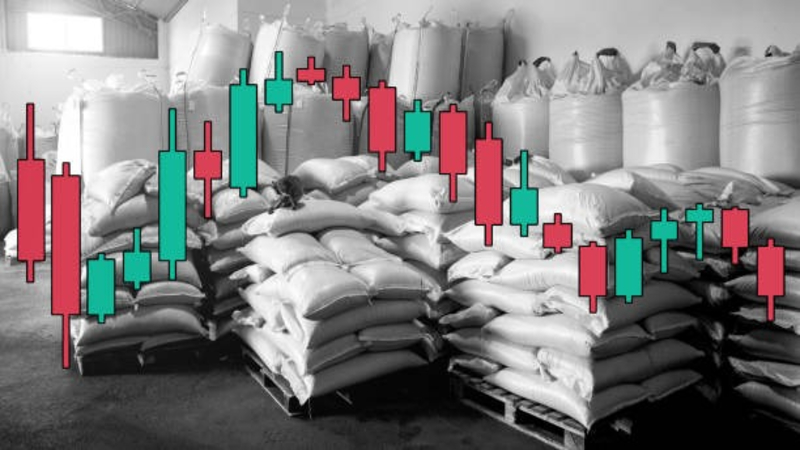
Commodity markets finally stopped spinning today after what felt like a nonstop roller-coaster quarter. Prices across energy, metals and agriculture settled into calmer ranges, giving traders a breather after weeks of unpredictable swings. The shift wasn’t dramatic, but it was enough to signal that volatility is cooling and markets are finding a more comfortable equilibrium. For anyone trading across oil, gold, copper or grains, this stability almost feels unfamiliar after months of high-speed whiplash.
The move comes at a time when global demand, supply chain recovery and geopolitical pressure have been battling for dominance. Some days the market ran hot. Other days it froze. But today’s tone was different. It felt balanced, steady and grounded. Commodity traders across mobile-first platforms caught the shift instantly, and social feeds lit up with short-term strategy updates as prices settled into more predictable patterns.
Stabilizing commodities bring relief to jittery global markets
The most important takeaway is that the worst of the turbulence appears to be easing. Oil prices found a stable support level after bouncing between supply concerns and demand uncertainty. Gold settled into a consistent trading range as inflation worries cooled. Industrial metals paused their wild swings, supported by improving factory data and softer recession chatter.
This stability matters. Commodities feed into almost every sector of the global economy. When prices stabilize, it calms inflation forecasts, reduces pressure on central banks and gives businesses a clearer picture for planning and production. Investors love clarity, and today delivered exactly that. With volatility cooling, traders reset their expectations and rotated into positions that benefit from steadier macro conditions. For Gen Z investors tracking markets on the fly, this shift created the clean setups they’ve been waiting for.
Central banks view commodity stability as a welcome signal
Central banks across the world monitor commodity markets closely. Surging prices add inflation pressure, while falling prices can signal economic weakness. Today’s stabilization lands in the sweet spot. It tells policy makers that supply chains are functioning better and that demand is balancing out without collapsing.
For the Fed, this shift supports the idea that inflation can cool naturally without aggressive intervention. Commodity stability also makes future policy decisions easier. It reduces the chances of sudden inflation spikes and allows central banks to hold their positions without panicking. Central banks in Europe and Asia share the same relief. Commodity calmness makes forecasting more accurate, giving global monetary policy a smoother runway.
Whales reposition into metals and energy with strategic accumulation
Whale activity revealed another layer of insight. Large investors in both traditional markets and crypto repositioned quietly to take advantage of commodity stability. Some whales increased exposure to industrial metals like copper and aluminum, betting on renewed manufacturing demand. Others leaned into energy futures, particularly crude oil, which looked ripe for accumulation at current ranges.
Crypto whales reacted slightly differently. Instead of chasing commodities directly, they moved stablecoin liquidity into exchanges in anticipation of stronger macro conditions that could lift digital assets too. When commodity volatility cools, broader markets usually follow. Whales often treat this as a signal to prepare for medium-term accumulation. Their movements today reflected confidence rather than caution.
Retail traders jump back into commodity-linked plays
Retail traders welcomed today’s calm with open arms. After a quarter of rapid swings and unpredictable spikes, stable commodity ranges created a friendly environment for short-cycle strategies. Traders leaned into plays on gold ETFs, oil futures, mining stocks and commodity-linked altcoins. Mobile screens filled with setups that were easier to read and execute without worrying about sudden reversals.
Even forex traders got in on the action. Commodity currencies like the Canadian dollar and Australian dollar showed cleaner correlations with price movements, giving traders clearer pathways for quick entries. For Gen Z users who thrive on fast reads and clean signals, today’s trading conditions felt almost refreshing.
Conclusion
Commodity markets finally found stability after a volatile quarter, bringing relief to traders and clarity to global markets. Central banks welcomed the calmer backdrop, whales repositioned for medium-term opportunities and retail traders jumped into cleaner setups. If this trend holds, commodities may guide markets into a more predictable cycle ahead.