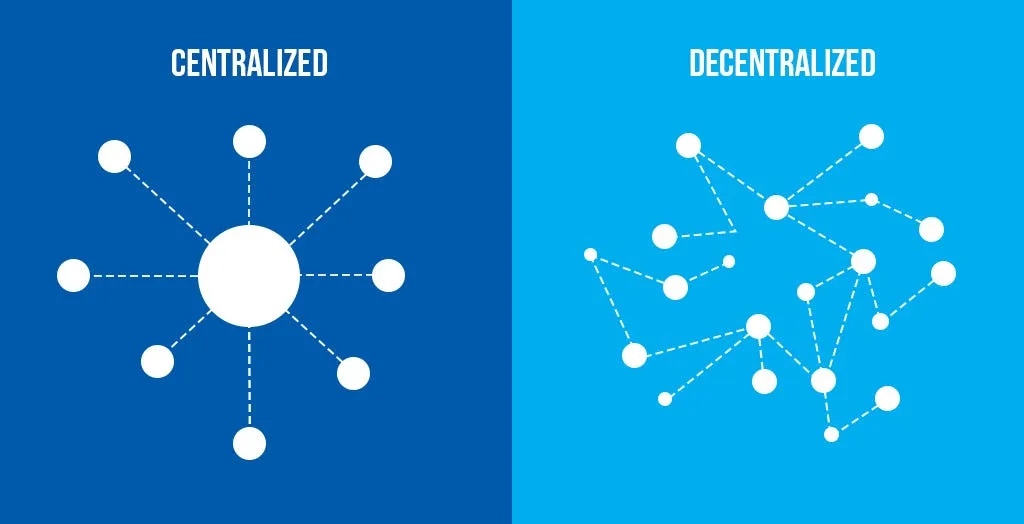
The crypto market lit up overnight as cross chain USD transfers surged to levels not seen in months. Traders watching block explorers saw transfer volumes accelerating across major networks, signaling that investors were reinforcing their defenses ahead of global macro uncertainty. The spike came at a moment when the dollar was already in a sensitive position, fluctuating in response to shifting expectations around inflation and economic policy. With tensions rising across financial markets, traders chose to distribute their USD liquidity across multiple chains rather than keep it centralized.
These transfers are more than simple repositioning. They show a market that no longer waits for volatility to arrive before preparing. The speed and frequency of the transfers suggest that traders are not taking any chances as major economic announcements approach. Instead, they are opting for flexibility, spreading their stablecoin reserves to networks where execution is faster, fees are cheaper, and access to liquidity pools is more diverse. Cross chain movement has become a critical indicator of how seriously traders view upcoming macro risks.
Liquidity spreads across chains as risk hedging intensifies
The most important signal came from the sudden burst of stablecoin movement between Ethereum, Tron, Solana, and several newer networks offering rapid settlement times. These transfers did not follow the usual pattern of weekend rebalancing or exchange withdrawals. Instead, they appeared concentrated in strategic bursts that lined up with shifts in global funding markets.
This pattern suggests that traders were hedging against the possibility of sharp swings in dollar denominated assets. By spreading liquidity across chains, they reduce exposure to network congestion and widen their range of trading routes. The behavior mirrors strategies used during previous high tension macro weeks where on chain markets moved ahead of traditional markets in anticipating volatility.
Bridges report elevated activity and faster cycles
Cross chain bridges saw some of the highest usage spikes of the year. Transfer speeds increased as traders executed swaps rapidly to avoid getting caught in potential fee surges. This may be due to recent improvements in bridge infrastructure, but the timing still reveals something about market sentiment. Traders tend to use bridges most actively when they expect volatility because it gives them the freedom to move liquidity quickly toward opportunities.
Some bridges even noted uneven activity, where certain stablecoins experienced heavier flows than others. This reinforces the idea that traders were not simply experimenting but actively prioritizing assets and networks based on stability, execution cost, and expected liquidity conditions.
On chain stablecoin pools tighten during the surge
A predictable but important effect of the surge was the brief tightening in several liquidity pools. When traders rush to move assets across networks, pools temporarily thin out, causing spreads to widen before stabilizing. This happened on multiple chains but resolved quickly as arbitrage bots and liquidity providers adjusted.
The tightening also revealed which networks traders consider most dependable during macro sensitive periods. Chains known for lower fees and faster finality saw inflows, while slower or more congested networks experienced momentary outflows. These shifts highlight the evolving landscape of stablecoin mobility and how traders treat networks differently depending on global conditions.
Analysts interpret record transfers as defensive positioning
Market analysts watching the flow patterns believe the record high transfers reflect heightened caution rather than panic. Traders appear to be positioning themselves to react quickly instead of retreating entirely. This kind of defensive preparation often precedes central bank announcements, key inflation reports, or sudden changes in bond yields.
By holding stablecoins across multiple networks, traders create a flexible framework that lets them enter trades on whichever chain reacts first. In a fast moving environment, this cross chain readiness can be the difference between catching an opportunity and missing it by minutes.
Conclusion
The surge in cross chain USD transfers paints a clear picture of a market preparing for potential macro turbulence. As liquidity spreads out, bridges accelerate activity, and pools tighten, traders are making sure they have every route open before volatility hits. With global economic signals shifting quickly, cross chain movement may continue to be one of the most important indicators to watch in the days ahead.