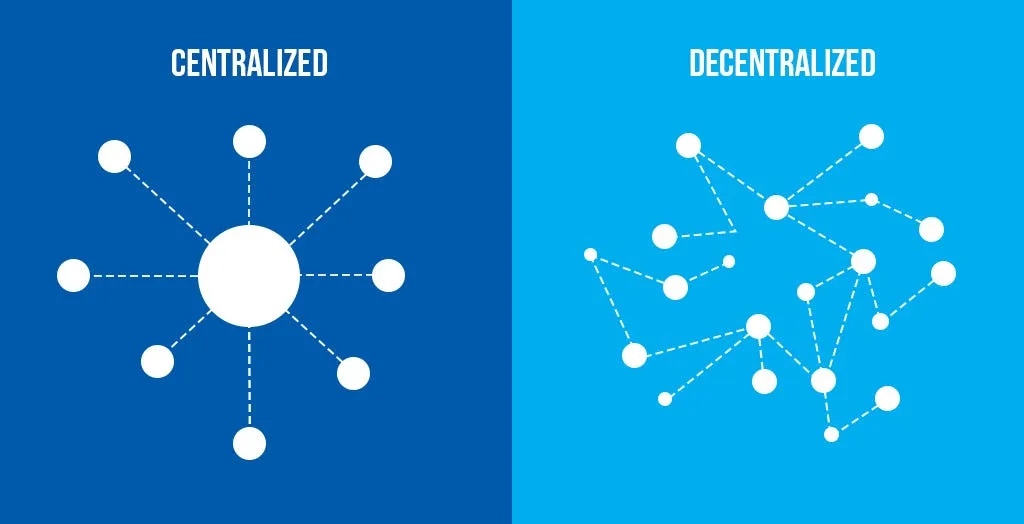
Donations in BTC and stablecoins speed relief efforts.
A Growing Trend in Crisis Response
When global disasters strike, speed and efficiency in mobilizing aid can make the difference between life and death. In 2025, cryptocurrencies are emerging as powerful tools in humanitarian responses. From earthquakes in Asia to hurricanes in the Americas, donations in Bitcoin and stablecoins are flowing rapidly into affected areas. This trend reflects both technological advantages and cultural momentum, as crypto philanthropy becomes a defining feature of digital finance.
Why Crypto Works for Aid
Traditional aid systems often suffer from delays caused by banking bottlenecks, currency restrictions, and bureaucratic red tape. Cryptocurrencies bypass many of these obstacles. Donations sent in BTC or stablecoins arrive in minutes, offering transparency and traceability on public blockchains. Aid groups can monitor flows, while donors can verify their contributions. This efficiency is particularly valuable in regions where financial infrastructure is damaged or inaccessible.
Stablecoins Take the Lead
Stablecoins are playing a central role in crypto philanthropy. Their dollar peg makes them easier for aid groups to use compared to volatile assets like Bitcoin. NGOs report that stablecoin donations allow them to pay local suppliers directly, covering essentials such as food, medicine, and shelter. In Turkey, for example, stablecoins were used to purchase emergency tents within hours of an earthquake. The ability to settle instantly across borders makes stablecoins a natural fit for disaster response.
Retail Donors Drive Participation
Retail donors are fueling much of the momentum. On TikTok and Discord, campaigns encouraging micro-donations in stablecoins are going viral. Memes highlight how even a few dollars’ worth of crypto can make a difference. For Gen Z, crypto philanthropy blends financial engagement with cultural participation. Donating is framed not only as an act of compassion but also as a statement of belief in decentralized finance as a force for good.
Whales Amplify Impact
Whales are also stepping up. Large wallets have made headline-grabbing donations to support relief efforts, with some transfers exceeding tens of millions of dollars. These contributions amplify visibility and inspire retail participation. Critics note that whales sometimes use donations for public relations, but even so, the impact on aid delivery is real. On-chain data shows that whale contributions often trigger surges in smaller donations, creating multiplier effects.
AI Dashboards Track Donations
AI dashboards have become essential tools for tracking crypto philanthropy. Push notifications highlight when wallets associated with NGOs receive large inflows, turning donations into viral news. Screenshots of these alerts spread rapidly across social media, reinforcing the perception that crypto is becoming a mainstream channel for aid. Transparency, once a challenge in traditional philanthropy, is now a cultural talking point for digital donors.
Challenges and Risks
Despite its promise, crypto philanthropy is not without problems. Volatility in Bitcoin can reduce the real value of donations if not converted quickly. Fraud risks remain, with scammers setting up fake addresses during disasters. Regulatory uncertainty also complicates operations, as NGOs must navigate compliance while moving fast. Analysts warn that while crypto can improve aid delivery, it is not a cure-all for systemic challenges in global disaster response.
Cultural Narratives Around Giving
Culturally, crypto philanthropy is being framed as a generational shift. Memes celebrate “blockchain heroes” who bypass bureaucracies to deliver aid. Influencers highlight success stories where crypto reached disaster zones faster than traditional channels. This cultural framing resonates with Gen Z and millennials, who often distrust institutions but embrace decentralized solutions. By merging financial participation with storytelling, crypto philanthropy strengthens its cultural legitimacy.
Conclusion
Crypto philanthropy is rising as a critical component of global disaster relief in 2025. Stablecoins enable fast, reliable donations, retail donors amplify participation, whales add scale, and AI dashboards provide transparency. Challenges remain, from volatility to fraud, but the cultural and practical impact is undeniable. As disasters become more frequent, the role in humanitarian response will likely expand, proving that decentralized finance is not only about speculation but also about saving lives.