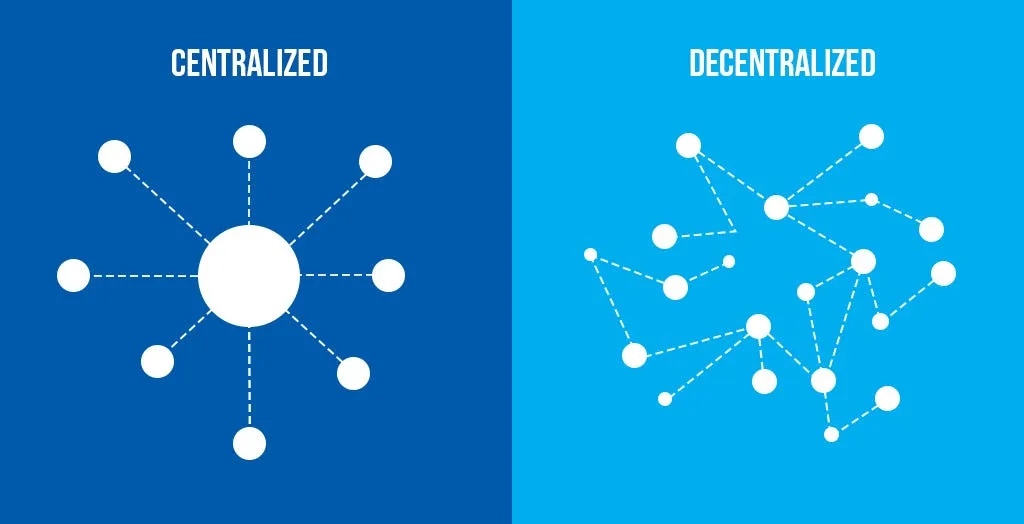
Global trade is undergoing a major transformation as digital settlement systems gain traction across international markets. Businesses and financial institutions are shifting from traditional cross border payment methods toward faster, automated, and transparent digital alternatives. These modern systems reduce friction, shorten settlement times, and enhance liquidity management. As this transition accelerates, the United States is reassessing how the USD fits into a world where digital infrastructure shapes economic power.
While the dollar remains the dominant global currency, digital settlement networks are reshaping how trade partners manage payments and financial agreements. The ability to settle transactions in real time creates new expectations for efficiency, pushing global markets to rethink their reliance on older systems. This shift places pressure on the U.S. to update its strategy and ensure the dollar maintains its central role in global commerce.
How Digital Trade Systems Are Reshaping Global Payments
Digital settlement platforms allow businesses to execute international payments far more efficiently than traditional banking channels. These systems reduce delays, minimize reliance on correspondent banks, and lower operational costs. The adoption of blockchain based architectures further enhances transparency by enabling clear tracking of money flows and transaction histories.
One of the biggest advantages is settlement speed. In a digital environment, payments can be verified and completed within minutes instead of days. This helps companies improve supply chain coordination, maintain better cash flow, and reduce financing risks. As more industries adopt digital tools, the demand for faster settlement is expected to grow even stronger.
Another important development is automation. Smart contract logic allows for conditional payments, compliance checks, and documentation handling to occur without manual intervention. This reduces error rates and improves the reliability of international trade agreements. Firms operating in manufacturing, logistics, and commodities markets benefit the most from this increased efficiency.
Digital settlement systems also support multi currency operations, giving businesses more flexibility in choosing how they transact. This has created a competitive environment where different currencies and platforms are vying for relevance in the next generation of global trade infrastructure.
The USD’s Strategic Position in a Digital World
The dollar’s dominance has long been supported by deep capital markets, global trust, and strong economic influence. However, as digital systems evolve, the USD must adapt to new models of financial interaction. If trade partners increasingly conduct settlements using digital networks that support multiple currencies, the dollar’s transactional supremacy could gradually weaken.
To maintain its leadership, the United States is exploring ways to modernize its financial architecture. This includes regulatory frameworks for stablecoins, potential development of a digital dollar, and deeper collaboration between government agencies and private innovators. These steps are designed to ensure that USD backed digital instruments remain competitive in a rapidly shifting environment.
USD based stablecoins currently play a major role in digital settlements, especially in emerging financial ecosystems. Their widespread use allows the dollar to remain deeply embedded in digital finance even before the introduction of any potential CBDC. However, competition from other digital settlement networks continues to grow, making strategic planning essential.
Why Businesses Are Moving Toward Digital Settlement Models
Companies engaged in global trade are adopting digital settlement tools for practical reasons. Faster transactions reduce operational bottlenecks, enabling smoother supply chain management. Businesses with frequent cross border activities benefit significantly from improved liquidity and reduced reliance on complex intermediary systems.
Cost savings are another major factor. Traditional correspondent banking routes often involve high fees and long processing times. Digital systems reduce these expenses by streamlining verification processes and allowing direct settlement between parties. This cost efficiency is especially appealing to small and medium sized enterprises seeking to expand internationally.
Finally, the increasing standardization of digital settlement networks makes integration easier for businesses of all sizes. Cloud based tools, API connected payment systems, and blockchain settlement layers offer accessible pathways for companies to modernize their financial operations without large upfront investments.
Conclusion
Digital trade settlement systems are rapidly reshaping global commerce by offering speed, automation, and transparency. As these networks expand, the United States faces the challenge of ensuring the USD remains central to international payments. Through innovation and strategic planning, the dollar can continue to play a leading role in the digital trade environment, but adaptability will be the key to remaining competitive in a rapidly evolving global economy.