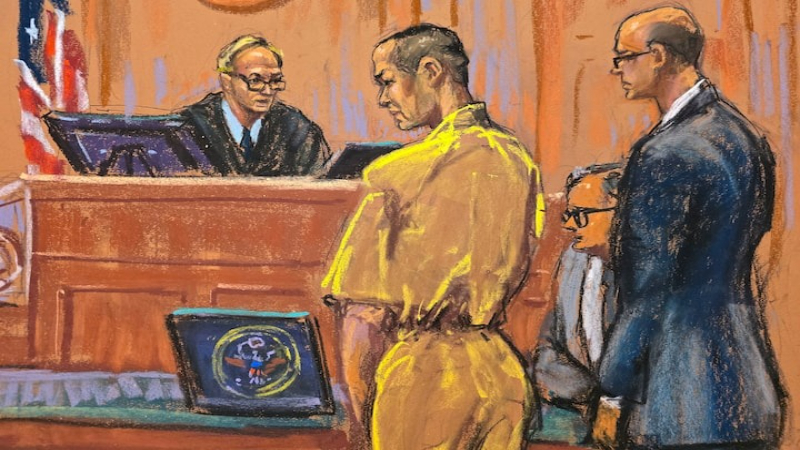
Do Kwon returned to the spotlight as he prepared to receive his U.S. federal sentence for fraud and conspiracy tied to the multibillion dollar collapse of TerraUSD and Luna, a failure that reshaped digital asset regulation and sparked one of the sharpest market cascades in crypto history. The thirty four year old entrepreneur previously pleaded guilty and acknowledged misleading investors about how TerraUSD maintained its one dollar value during periods of volatility. His sentencing comes at a moment when markets are far more sensitive to transparency and algorithm backed assets, making the case feel like a flashback to a pivotal turning point in crypto’s evolution. Prosecutors have pushed for a minimum of twelve years, arguing that the collapse wiped out tens of billions in value and triggered a chain reaction across multiple firms. Meanwhile his legal team is asking for no more than five years so he can return to South Korea to address charges awaiting him there. The hearing set in Manhattan drew attention from traders who still track Terra related indicators as part of the sector’s historical fault lines.
The details revisited in court have again highlighted how quickly confidence can unravel in systems that rely on stability mechanisms many investors do not fully understand. When TerraUSD first slipped below its peg in 2021, Kwon publicly credited an algorithm for restoring equilibrium even though investigators later determined that a trading firm had injected large buy orders to artificially support the price. That revelation became central to the case as prosecutors outlined how market trust was undermined by misrepresentation. The crash in 2022 unleashed severe liquidity stress across crypto lenders, hedge funds, and exchanges, causing both contagion and regulatory scrutiny that continue to shape the industry’s landscape. Traders watching today’s hearing said the sentencing will likely be viewed as another formal milestone in the broader accountability cycle that followed early cycle speculative excess. They noted that regulatory expectations hardened swiftly after the Terra collapse, influencing stablecoin oversight proposals and risk frameworks used by institutions entering tokenized markets.
The outcome also carries international implications because Kwon faces charges in South Korea, and a transfer could be considered after he serves part of his U.S. sentence. His agreement with regulators last year included an eighty million dollar civil penalty and a ban from crypto transactions under a multibillion dollar settlement. Analysts said that while today’s sentencing will not have direct market impact, it reinforces a clear signal: the era of unchecked experimentation in asset backed digital structures is ending, and investors remain highly attuned to compliance driven narratives. The renewed attention on the Terra story arrives as markets navigate fresh volatility tied to AI related tech swings and central bank repositioning. That environment adds context to why enforcement actions still resonate. With the hearing underway, traders expect renewed discussion around stablecoin design, algorithmic risk, and how oversight may evolve as both lawmakers and institutions continue shaping the next phase of digital finance.