Dollar liquidity rarely disappears with a warning siren. It usually tightens quietly, showing up in places most traders are not watching. While headlines focus on policy rates and equity moves, the real story often unfolds in funding markets, balance sheets, and cross border flows that receive far less attention.
Today’s environment reflects that pattern. The dollar remains dominant, but access to it is becoming more selective. This is not a crisis moment. It is a slow adjustment where liquidity is priced differently depending on geography, balance sheet strength, and institutional role. The stress is real, but it is not where most traders expect to find it.
Dollar Liquidity Is Fragmenting Beneath the Surface
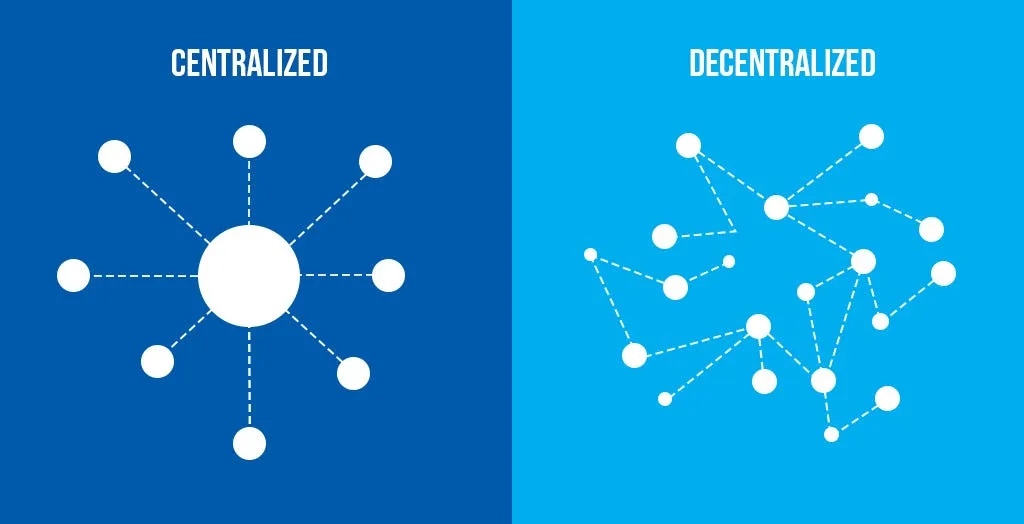
The most important shift in dollar liquidity is not its outright availability, but how unevenly it is distributed. Large institutions with strong balance sheets still access dollars with relative ease. Smaller players, offshore entities, and leveraged participants face tighter conditions even when headline indicators appear calm.
This fragmentation creates blind spots. Equity markets can rally while funding conditions quietly deteriorate elsewhere. Bond yields may stabilize while dollar demand builds in less visible channels. The result is a disconnect between price signals and underlying liquidity health.
Understanding this fragmentation is essential. It explains why stress can emerge suddenly without obvious triggers and why volatility often appears disconnected from news.
Funding Markets Are Sending Early Signals
Short term funding markets are often the first place where dollar stress appears. Changes in rollover behavior, collateral preferences, and term funding costs reveal more than spot currency moves.
When institutions prefer shorter maturities or higher quality collateral, it signals caution. These shifts do not always show up in mainstream indicators, but they affect how liquidity circulates. As funding becomes more defensive, leverage declines and risk appetite narrows.
These dynamics matter because they shape market behavior before prices react. By the time stress reaches visible markets, positioning has often already adjusted.
Cross Border Flows Are Slowing Quietly
Global dollar liquidity depends heavily on cross border activity. When non domestic institutions reduce dollar borrowing or hedge more aggressively, it tightens conditions without changing policy rates.
This slowdown is subtle. It shows up in reduced arbitrage activity, wider pricing gaps, and lower participation in certain markets. For traders focused on domestic indicators, these signals are easy to miss.
Yet cross border flows play a critical role in amplifying or absorbing shocks. When they slow, markets become more sensitive to local disturbances.
Balance Sheet Constraints Are Doing the Work
Regulation and risk management have reshaped how balance sheets are used. Even in stable conditions, institutions are more cautious about deploying capital for marginal returns.
As dollar liquidity tightens, these constraints become more binding. Market makers provide less depth, and intermediaries demand higher compensation for risk. This does not look like panic. It looks like thinner markets and sharper moves when volume spikes.
The key point is that balance sheet discipline, not fear, is driving much of the adjustment.
Why Spot Markets Can Be Misleading
Spot currency and equity markets often lag liquidity conditions. They reflect transactions, not the ease with which those transactions can be financed.
When liquidity tightens quietly, spot prices may remain stable until a catalyst forces repricing. At that point, moves can feel sudden and disproportionate. Traders who rely solely on spot signals are often caught off guard.
Looking beyond prices to the mechanics of funding and settlement provides a clearer picture of where stress is building.
Implications for Market Participants
In this environment, risk management requires broader awareness. Liquidity is no longer uniform, and assumptions based on past cycles may fail.
Traders benefit from monitoring funding behavior, cross border activity, and balance sheet usage alongside traditional indicators. These factors help explain why markets behave defensively even without negative headlines.
Patience and flexibility matter more when liquidity is selective rather than abundant.
Conclusion
Dollar liquidity is tightening, but not in obvious ways. The stress is emerging through fragmented access, cautious funding markets, and constrained balance sheets rather than dramatic price moves. For those willing to look beyond the usual indicators, the signals are already there. Recognizing them early can make the difference between reacting to volatility and understanding it.