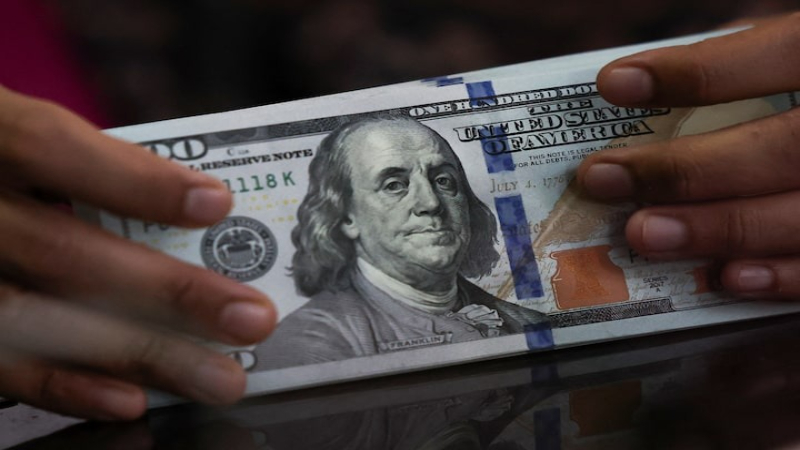
The U.S. dollar weakened on Thursday as markets absorbed the government’s formal reopening and tried to gauge how much lasting damage the record shutdown has done to confidence in American economic data. After more than a month without federal releases, traders are unsure how long it will take to restore the flow of reliable statistics, leaving gaps in the usual rhythm of market analysis. Questions surfaced throughout the trading day about whether upcoming numbers can provide an accurate economic picture, especially with the employment report for October set to arrive without its jobless rate component due to the disruption of the household survey. The uncertainty kept investors cautious even as the dollar index slipped, with traders reluctant to position aggressively without dependable signals. Analysts stressed that the credibility shock from the shutdown may leave a deeper mark on the greenback than the immediate market reaction suggests.
Federal Reserve policymakers added new layers of complexity as they delivered mixed guidance on the direction of interest rates. Several officials highlighted that inflation remains concerning and that key sectors of the labor market are under pressure, reducing the likelihood of swift policy easing. Traders quickly adjusted, pushing expectations of a December rate cut below fifty percent. Yet the shift offered little support for the greenback, suggesting that rate differentials alone are not driving sentiment. Instead, currency markets appeared to focus on the reliability of U.S. economic governance, particularly as the reopening did not result in a clean restoration of data flows. As fed officials diverged in tone, the euro extended its climb, breaking above its downtrend against the dollar, while the yen weakened further as speculation grew that the Bank of Japan may be nudged toward a rate increase if currency pressures intensify. Additional signals from European financial stability officials, who are exploring alternatives to U.S. liquidity backstops, added another layer to global positioning.
Cross currents were equally active across other majors, with the pound edging higher despite weak domestic growth data tied partly to a recent cyberattack, and the Australian dollar taking a temporary lift from a sharper than expected drop in unemployment before retracing. As multiple global currencies moved on regional signals, the macro picture remained fragmented, reflecting a market trying to realign itself after weeks of missing U.S. economic metrics. Crypto assets also followed broader risk sentiment, with bitcoin sliding below the psychological threshold of one hundred thousand amid declining appetite for high risk allocations. Analysts warned that until the U.S. restores consistent economic reporting and traders regain confidence in the integrity of the underlying data, currency markets are likely to swing on incomplete information, allowing external narratives to play a larger role than usual in shaping dollar direction.