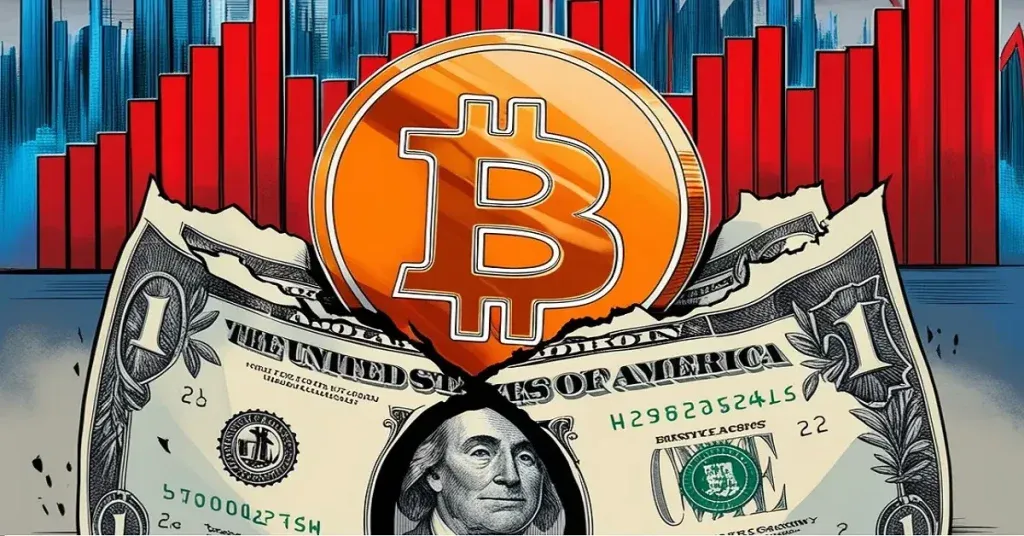
Rate chatter collides with risk appetite while euro pairs whipsaw.
Europe’s Inflation Challenge
The European Central Bank has entered 2025 with one mission dominating its agenda: inflation control. Despite signs of easing energy prices and moderating wage growth, core inflation across the Eurozone remains above target. For Christine Lagarde and her colleagues, maintaining credibility means keeping monetary policy tight, at least for now. Yet this stance carries ripple effects across global markets, including digital assets that thrive or falter based on liquidity conditions.
Bitcoin’s Sensitivity to Euro Policy
Bitcoin’s volatility in recent weeks reflects more than just crypto-native sentiment. Euro pairs have whipsawed in tandem with speculation about the ECB’s next moves. Each statement from policymakers sparks rapid shifts in EUR/USD, which then bleed into Bitcoin through cross-currency arbitrage and leveraged trades. Traders report that BTC often mirrors the euro’s intraday swings, underscoring how interconnected crypto has become with foreign exchange dynamics.
Liquidity and Risk Appetite
The ECB’s insistence on a restrictive stance has already cooled equity markets and tightened liquidity in bond markets. That tightening extends indirectly into crypto. Stablecoin demand denominated in euros has fallen, while euro-based trading pairs show reduced volumes on major exchanges. For a generation of Gen Z traders who prize quick access and high leverage, shrinking liquidity feels like a direct challenge to their strategies. When markets thin out, volatility spikes, making short-term trading both riskier and more attractive at the same time.
Altcoin Pressure
Beyond Bitcoin, altcoins with heavy European user bases have come under additional pressure. Ethereum gas fees briefly surged as euro-based DeFi participants rotated into dollar stablecoins to preserve purchasing power. Meanwhile, projects tied to European ecosystems reported thinner liquidity and declining activity. These shifts highlight how central bank policy, often assumed to affect only traditional assets, can shape the contours of decentralized finance.
Gen Z and Policy Awareness
A notable feature of this cycle is how Gen Z traders are following ECB updates with the same intensity once reserved for celebrity scandals. Short videos explaining inflation targets, rate hikes, and monetary policy acronyms trend across TikTok and Instagram. AI-powered trading apps break ECB speeches into digestible soundbites, framing policy as bullish or bearish cues for crypto. This blend of policy literacy and entertainment shows how central banking has entered mainstream youth culture through the lens of trading.
Bitcoin as an Inflation Hedge?
The ECB’s struggle against inflation also reignites debate about Bitcoin’s role as a hedge. Some traders argue that persistent euro weakness supports Bitcoin demand as a parallel store of value. Others counter that higher rates undermine speculative appetite, weighing on BTC prices. The reality is more nuanced. During periods of euro volatility, Bitcoin often behaves less like digital gold and more like a high-beta tech stock. For Gen Z investors searching for simple narratives, this dual identity can be both confusing and exhilarating.
The Road Ahead
Looking forward, the ECB’s path remains uncertain. If inflation data show continued moderation, the central bank may signal a softer stance by midyear. That could restore risk appetite and inject fresh momentum into crypto markets. Conversely, if inflation proves stubborn, Bitcoin could remain trapped in volatile ranges as liquidity tightens further. Either way, the ECB’s influence will remain a central theme for traders balancing macro risks with digital asset opportunities.
Conclusion
The clash between the ECB’s inflation fight and Bitcoin’s volatility underscores a deeper truth: crypto is no longer insulated from the world of central banks. Each rate decision, policy hint, and inflation update reverberates through markets where retail and whales coexist. For Gen Z traders, the message is clear. Understanding monetary policy is no longer optional; it is essential. In 2025, Bitcoin’s trajectory may hinge as much on Christine Lagarde’s speeches as on blockchain upgrades or whale transfers.
Author: Elena Foster | Emerging Markets Specialist
Email: elena@cheenews.com