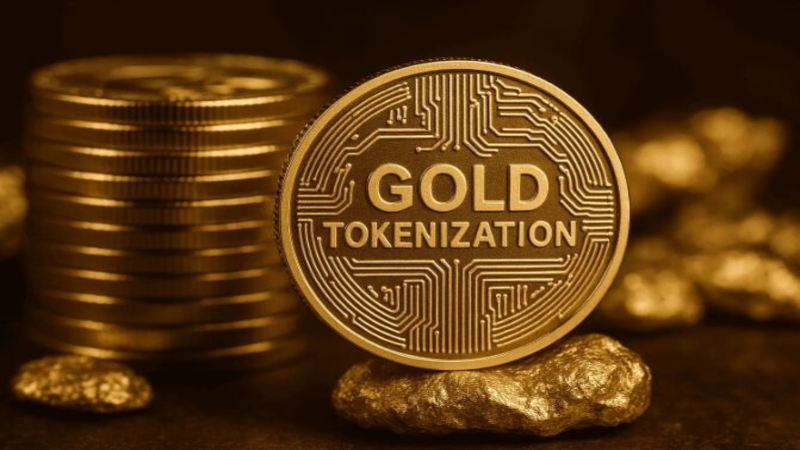
A false claim involving tokenized gold and silver trading has underscored the growing risks surrounding brand misuse as stablecoins and tokenization gain mainstream visibility. A press release circulated during the Christmas holiday period alleged that Circle had launched a new platform offering swaps between its dollar backed stablecoin and digital representations of precious metals. The release appeared credible at first glance, using company branding and attributing statements to senior executives. The company later confirmed the announcement was not legitimate, and that no such platform or tokenized metals products exist. The timing of the release during a period of reduced market oversight highlighted how fraud attempts increasingly exploit moments of low institutional responsiveness, particularly in fast moving digital asset markets where verification can lag dissemination.
The incident illustrates how tokenization narratives are becoming powerful enough to be weaponized by bad actors. As interest grows in blockchain based representations of real world assets, including commodities, fraudulent schemes are adopting the language of regulated finance to lure unsuspecting users. In this case, the fake platform encouraged users to connect digital wallets and interact with unverified smart contracts, a tactic that can expose assets to theft. While no evidence has emerged of widespread losses, the episode reinforces the importance of verification in an environment where financial infrastructure and speculative tools increasingly overlap. For investors, the sophistication of these impersonation efforts blurs the line between legitimate innovation and opportunistic exploitation.
From a broader market perspective, the misuse of trusted stablecoin brands reflects the growing systemic relevance of digital dollars and tokenized assets. As these instruments integrate more deeply into payments, settlement, and asset management, the reputational and operational risks associated with fraud rise in parallel. Regulatory frameworks continue to evolve, but enforcement alone cannot prevent rapid imitation in decentralized ecosystems. The episode serves as a reminder that trust remains a critical component of financial infrastructure, digital or otherwise. For dollar linked crypto markets, maintaining confidence will depend not only on regulation and technology, but on consistent vigilance as tokenization narratives attract both institutional interest and malicious activity.