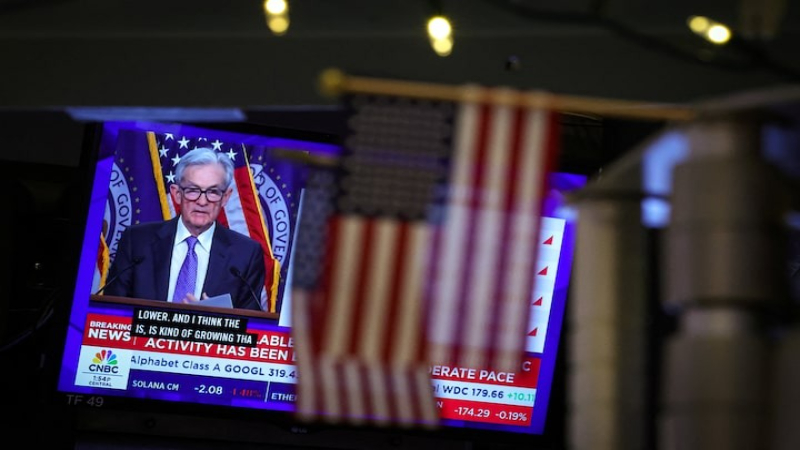
The U.S. Federal Reserve delivered its third interest rate cut of 2025, trimming rates by 0.25 percentage points and signaling a shift in how policymakers view slowing economic momentum. The decision immediately rippled across markets, easing borrowing costs while pressuring yield focused assets. For dollar watchers, the cut introduces a fresh phase of repricing as traders reassess capital flows, currency strength, and risk appetite into year end. Lower rates typically weaken demand for cash holdings, pushing liquidity toward equities, commodities, and alternative assets. At the same time, savers face diminishing returns, increasing pressure to seek yield elsewhere. The move comes as inflation shows signs of moderation but growth indicators remain mixed, keeping policy expectations fluid. Markets are now pricing a more accommodative stance into early 2026, setting the stage for heightened volatility across asset classes tied closely to U.S. monetary policy.
The rate adjustment also alters positioning across digital finance and tokenized markets that react quickly to liquidity shifts. Cheaper capital tends to support speculative and growth driven sectors, while stable yield instruments lose relative appeal. Crypto markets often respond to easing cycles with increased activity as traders rotate out of cash equivalents. At the same time, dollar linked assets face renewed scrutiny as rate differentials narrow between the U.S. and other major economies. This dynamic affects everything from cross border payments to stablecoin usage, especially as digital dollar infrastructure continues to expand. Market participants are watching whether lower rates accelerate the use of programmable money for settlement and hedging as traditional yield advantages fade. The Fed’s decision reinforces the idea that monetary policy remains one of the strongest global signals shaping both traditional and digital market behavior.
Beyond immediate market reactions, the cut highlights a broader recalibration underway in U.S. financial conditions. Policymakers are balancing support for borrowers against the long term impact on savings and capital formation. With rates now lower for the third time this year, expectations are shifting toward a softer policy environment rather than a quick return to restrictive settings. This backdrop favors liquidity sensitive strategies and increases sensitivity to incoming data. For investors, the message is clear that rate policy will continue to drive short term positioning while influencing longer term structural trends. As the dollar adjusts to this evolving stance, markets across finance and digital assets remain tightly linked to the Fed’s next signals.