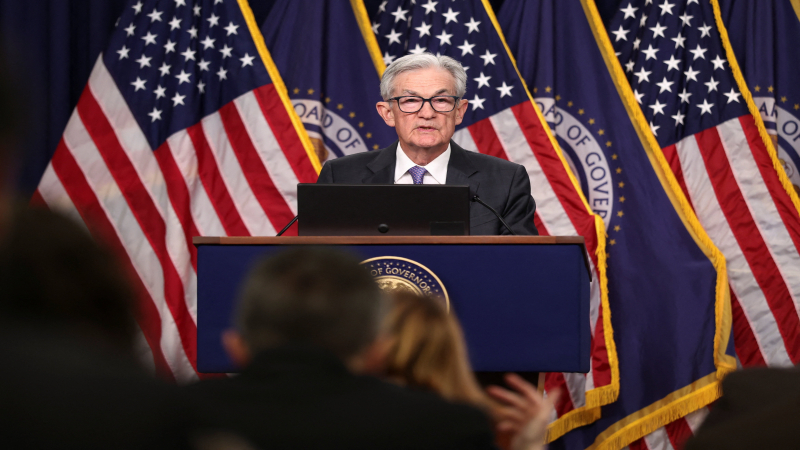
Expectations for a meaningful shift in US monetary policy are gaining traction as a senior Federal Reserve official signaled support for aggressive rate cuts in 2026. The comments reflect a growing view inside policy circles that restrictive settings may no longer be necessary as inflation pressures cool and labor market risks rise. Markets have already been adjusting to the idea that the peak rate era has passed, but explicit references to a cumulative reduction of this size have added clarity to the discussion. The outlook suggests policymakers see room to stimulate demand without reigniting price instability, particularly if inflation continues to trend close to target. For investors, this marks a notable pivot point where macro assumptions around growth, liquidity, and asset pricing are being recalibrated. Rate expectations remain one of the most influential drivers across equities, bonds, currencies, and risk assets globally.
The rationale behind the push for deeper cuts centers on the belief that underlying inflation is no longer a dominant threat. Estimates placing core inflation near the central bank’s long term objective have strengthened arguments for easing, especially as employment conditions show signs of strain. Supporters of a faster pace of cuts argue that delaying action could weigh unnecessarily on hiring and wage growth, potentially slowing the broader economy. This view contrasts with the more cautious stance that dominated earlier policy discussions, when inflation risks overshadowed growth concerns. The evolving narrative suggests that confidence in the disinflation process has improved enough to justify a shift in priorities. As a result, the balance between price stability and full employment is tilting more clearly toward supporting economic activity.
The broader policy environment is also influencing expectations. Political pressure for lower borrowing costs has intensified as growth becomes a central theme heading into the year. Calls for easier financial conditions are increasingly framed around tangible economic benefits rather than market performance alone. At the same time, updated growth forecasts indicate that the economy has shown resilience despite tighter policy, giving policymakers flexibility to adjust without appearing reactive. However, inflation projections remain uneven, with some forecasts pointing to renewed price pressures tied to structural factors such as trade policy and supply dynamics. This divergence highlights the uncertainty facing rate decisions, even as momentum builds behind the case for easing.
For markets, the implications of a potential 150 basis point reduction are significant. Lower rates would likely support risk assets by improving liquidity conditions and reducing discount rates applied to future earnings. Bond markets are already reflecting expectations for a lower terminal rate, while currency dynamics could shift as yield differentials narrow. The outlook also has consequences for global capital flows, as US policy remains a key anchor for international markets. While the timing and pace of any cuts remain uncertain, the signal itself is reshaping sentiment. As 2026 unfolds, monetary policy is once again moving to the center of the market narrative, with rate expectations poised to influence asset allocation decisions across regions and sectors.