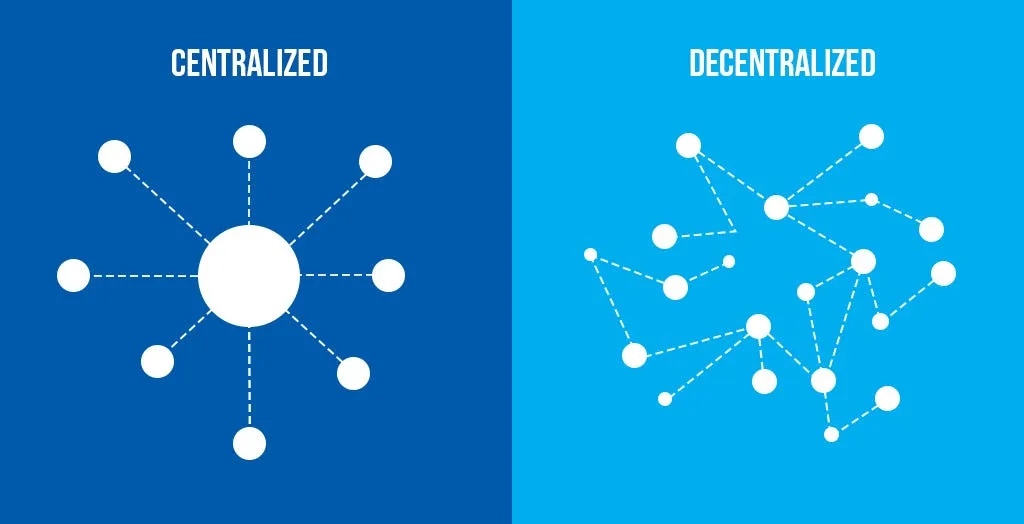
For decades, monetary policy was communicated through a familiar language. Interest rates moved, liquidity was adjusted, and markets responded. This framework remains important, but it no longer tells the whole story. Increasingly, policy influence depends not only on rates, but on rails. How money moves now shapes how policy works.
Payment infrastructure has moved from background utility to active policy lever. Settlement speed, accessibility, and reliability determine how effectively decisions travel through the economy. As financial systems digitize, infrastructure is no longer neutral. It has become part of policy itself.
Central banks recognize this shift. The focus is expanding from managing capital to managing circulation.
Policy transmission depends on infrastructure
Interest rates only matter if they reach the real economy. Payment systems define that pathway. When settlement is slow or fragmented, policy impact weakens. When it is fast and transparent, transmission strengthens.
Digital rails compress timelines. Policy decisions ripple through markets more quickly. Delays become visible. Friction becomes measurable. Central banks must account for these effects when evaluating outcomes.
Infrastructure now shapes the velocity of policy, not just its direction.
Speed changes economic behavior
Faster payments alter how businesses and households respond. Liquidity becomes more fluid. Cash management improves. Sensitivity to policy shifts increases.
These changes are not theoretical. Digital settlement allows value to move continuously rather than in batches. This reshapes behavior across the economy.
Central banks must understand how speed influences spending, saving, and risk taking. Infrastructure changes behavior before policy intent does.
Resilience becomes a policy concern
As systems accelerate, resilience becomes critical. Faster rails reduce counterparty risk but increase operational reliance on technology.
Policy makers now consider system uptime, redundancy, and security as macro concerns. Payment disruptions can undermine confidence and amplify stress.
Infrastructure resilience is no longer a technical issue. It is a stability issue.
Data feedback reshapes decision making
Modern payment systems generate detailed data. Transaction flows, liquidity patterns, and settlement behavior are visible in near real time.
This feedback changes how policy is assessed. Instead of waiting for lagging indicators, authorities can observe outcomes directly.
Data accelerates learning but also raises expectations. Markets assume faster response. Policy becomes more iterative and adaptive.
Stablecoins and digital rails accelerate the shift
Stablecoins and private digital payment systems highlight what modern rails can do. Continuous settlement, programmability, and transparency demonstrate alternative pathways for value transfer.
Central banks observe these systems not as threats, but as reference points. They show what users expect and where traditional systems fall short.
These examples push infrastructure higher on the policy agenda.
Regulation follows architecture
As rails matter more, regulation adapts. Oversight increasingly targets system design, governance, and interoperability.
Authorities focus on standards rather than institutions alone. Policy frameworks evolve to ensure that rails support stability and fairness.
Infrastructure becomes the foundation upon which policy rests.
What this means for the future of policy
Monetary policy will remain anchored in rates, but its effectiveness will depend on rails. Managing the economy requires managing how money moves.
This does not replace traditional tools. It complements them. Policy becomes multidimensional.
Central banks that align rates with modern infrastructure will transmit decisions more effectively.
Conclusion
Payment infrastructure has become policy because it defines how monetary decisions reach the economy. As money moves faster and more transparently, rails matter as much as rates. Understanding this shift is essential to understanding modern monetary policy in a digital financial system.