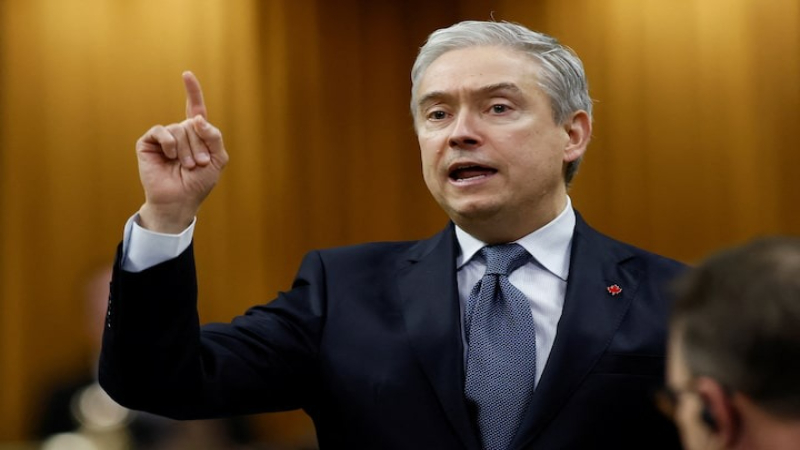
G7 finance ministers held a virtual meeting chaired by Canada’s Finance Minister Francois-Philippe Champagne to discuss export controls and the supply of critical minerals, highlighting potential disruptions to global markets. Officials expressed concerns that non-market interventions could increase price volatility, create negative macroeconomic consequences, and slow global growth. Analysts note that critical minerals underpin technology, AI infrastructure, and blockchain networks, meaning supply restrictions can ripple into tokenized finance, crypto mining, and institutional digital asset strategies. As countries tighten control over minerals like lithium, cobalt, and rare earths, investors and tech firms are monitoring potential impacts on production costs, tokenized asset collateral, and stablecoin-backed projects that rely on these materials. The discussions reflect a broader awareness among policymakers about balancing strategic resources with market stability, signaling important global signals for financial and crypto markets.
The meeting underscored the need for coordination among major economies to mitigate systemic risks arising from export restrictions. Finance ministers highlighted how unilateral non-market policies could disrupt supply chains critical to tech production, increasing costs and limiting access for both conventional and tokenized finance platforms. Observers point out that these developments have implications for AI chip production, cryptocurrency infrastructure, and the scaling of tokenized investment products globally. Companies and institutional investors are tracking potential bottlenecks closely, adjusting hedging strategies and diversifying supply sources to maintain operational and investment resilience. The G7 discussion signals that central banks and regulatory authorities are increasingly considering macro and technological dependencies in their policy frameworks, which may influence cross-border digital finance flows.
Market analysts emphasize that tighter export controls on minerals could amplify volatility in tokenized markets and digital finance ecosystems. As AI, crypto, and blockchain applications rely on a stable supply of these resources, even minor policy shifts could trigger changes in risk pricing, stablecoin yield strategies, and institutional portfolio allocations. The G7’s focus on harmonizing approaches highlights the global nature of technology-dependent finance, where geopolitical developments and resource scarcity intersect with digital asset markets. Observers expect continued monitoring of trade policies and critical mineral markets to provide forward-looking signals for both traditional and tokenized investors, reinforcing the importance of macro awareness in navigating the evolving intersection of finance, technology, and digital assets.