Global markets are often described as entering periods of rising or falling risk. This binary framing suggests that investors either embrace uncertainty or retreat from it altogether. As 2026 takes shape, that view no longer fits what markets are experiencing.
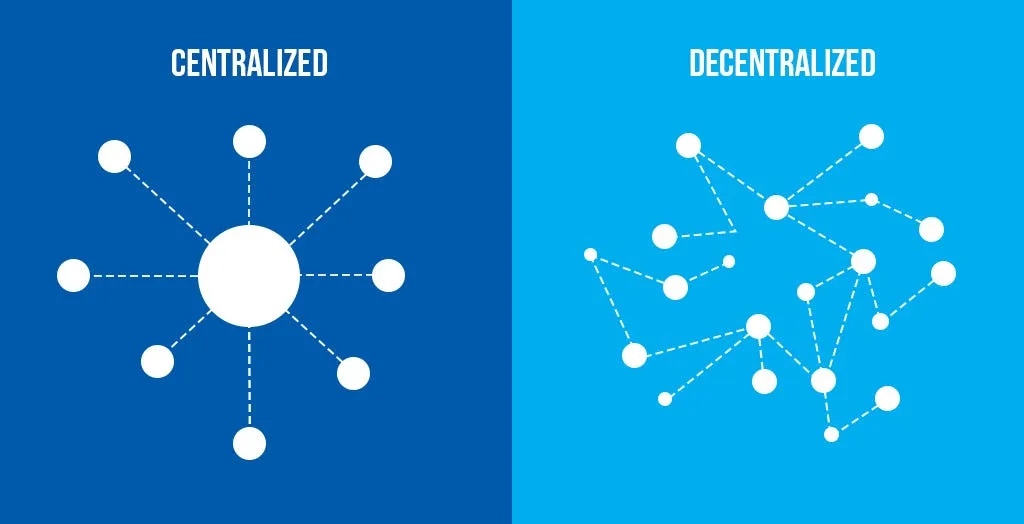
Risk is not broadly increasing. It is fragmenting. Instead of a single global risk pulse, markets are responding to localized pressures, policy differences, and regional vulnerabilities. This fragmentation is changing how capital moves and why traditional risk signals feel less reliable.
Risk fragmentation is replacing global risk cycles
The most important shift in 2026 is the breakdown of synchronized risk behavior. In past cycles, markets tended to move together. Growth optimism lifted most assets, while fear pulled them all lower. That pattern has weakened.
Today, risk expresses itself unevenly. Some regions face fiscal strain while others remain stable. Certain sectors struggle with higher financing costs while others benefit from structural demand. Currency, equity, and bond markets reflect these differences rather than moving in unison.
This fragmentation means that risk is more targeted. Stress emerges in specific pockets without triggering global panic. As a result, volatility feels contained even as vulnerabilities increase in isolated areas.
Why old risk indicators are losing clarity
Traditional risk gauges were built for synchronized markets. Volatility indices, global equity benchmarks, and broad credit spreads assume that stress appears system wide. In a fragmented environment, these tools can appear calm even when meaningful risk exists.
Local signals now matter more. Regional bond yields, country specific currency moves, and sector level credit spreads often provide better insight than global aggregates. Traders relying solely on headline indicators risk missing early warnings.
This shift challenges macro strategies that depend on broad risk on or risk off positioning. When risk is uneven, blanket exposure becomes less effective.
Capital allocation follows fragmentation
Fragmented risk leads to fragmented capital flows. Investors are no longer moving money into or out of markets as a whole. Instead, they rotate within them. Capital exits stressed regions and enters more resilient ones without triggering widespread selloffs.
This dynamic explains why markets can absorb bad news in one area without cascading effects. Losses are offset by gains elsewhere. Portfolio level volatility remains low even as individual assets experience pressure.
For investors, this environment rewards selectivity. Understanding where risk is concentrated matters more than predicting overall market direction.
Policy divergence is a key driver
One reason risk has fragmented is policy divergence. Monetary and fiscal responses vary widely across economies. Some central banks maintain tight stances while others move toward easing. Fiscal positions differ based on political constraints and economic structure.
These differences shape local risk profiles. Assets tied to supportive policy environments benefit, while those facing tighter conditions struggle. Global narratives fail to capture this nuance, leading to misinterpretation of market behavior.
Policy divergence also affects currency markets, reinforcing fragmentation through relative strength and weakness rather than uniform trends.
What fragmented risk means for market strategy
In a fragmented risk landscape, broad bets lose effectiveness. Investors must focus on relative value, regional analysis, and asset specific fundamentals. Hedging strategies also need adjustment, as traditional correlations become less reliable.
Risk management shifts from avoiding markets to navigating within them. Exposure is not reduced wholesale but reallocated thoughtfully. This approach favors active decision making over passive positioning.
Patience becomes an advantage. Fragmentation unfolds gradually, offering time to adjust rather than demanding immediate reaction.
Conclusion
The defining shift of 2026 is not rising global risk but fragmented risk. Stress is no longer synchronized, and capital moves selectively in response. Recognizing this change allows investors to adapt strategies to a market environment where nuance matters more than narratives.