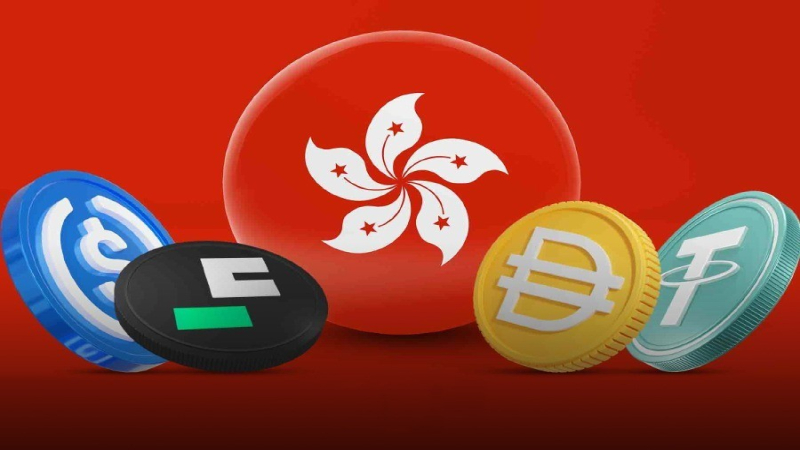
Hong Kong authorities have unveiled plans to introduce a formal stablecoin licensing regime alongside a new cryptocurrency tax reporting framework, marking a major step in the city’s push to position itself as a global hub for regulated digital assets. The government said legislation will be submitted to the Legislative Council this year to regulate stablecoin issuance and digital asset custody, with additional measures laying the groundwork for automatic international tax information exchange from 2028. Officials framed the initiative as part of a broader effort to align Hong Kong with evolving global standards while providing regulatory clarity for businesses operating in the virtual asset sector.
Under the proposed framework, the Hong Kong Monetary Authority will oversee a licensing system for stablecoin issuers operating in the city. The regime is expected to set requirements around reserve backing, redemption rights, governance standards, and operational transparency. Issuers will be required to hold high quality liquid assets to fully back their stablecoins and submit to regular audits. Authorities said the framework is designed to protect users while allowing innovation to continue, with additional safeguards planned for higher risk models such as algorithmic stablecoins.
Alongside stablecoin licensing, Hong Kong will introduce a regulatory regime for digital asset custody services administered by the Securities and Futures Commission. Custodians holding virtual assets for clients will need to meet strict security and asset segregation standards, including enhanced risk controls and insurance coverage. Regulators see custody oversight as a key pillar in strengthening investor protection and encouraging institutional participation, particularly as banks and asset managers explore tokenized products and blockchain based settlement solutions.
The crypto tax framework will expand reporting obligations for virtual asset transactions in line with international transparency initiatives. From 2028, Hong Kong plans to participate in automatic exchange of crypto related tax information with other jurisdictions under emerging global standards. Authorities stressed that the framework focuses on reporting and compliance rather than introducing new taxes, aiming to reduce uncertainty while preventing misuse of digital assets for cross border tax evasion. The measures place Hong Kong alongside leading jurisdictions seeking to balance innovation, financial stability, and international cooperation in digital asset regulation.