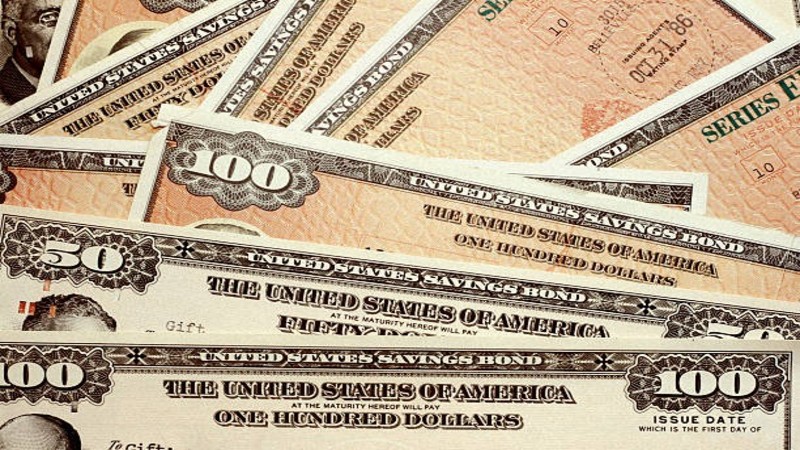
Tokenization is often discussed as a disruptive force, but in practice it is increasingly reinforcing existing financial structures. One of the clearest examples is the growing presence of tokenized US Treasuries. Rather than weakening the role of the dollar, these instruments are quietly strengthening its central position in global finance.
Tokenized Treasuries combine the safety and credibility of government debt with the efficiency of digital settlement. This blend appeals to institutions seeking yield, liquidity, and operational flexibility. As adoption grows, it reinforces the dollar’s gravitational pull by extending its reach into modern financial infrastructure.
Tokenized Treasuries Extend Dollar Reach Digitally
US Treasuries have long been the backbone of the global financial system. They function as risk free benchmarks, collateral, and liquidity anchors. Tokenization does not change these fundamentals. It enhances their accessibility and settlement efficiency.
By placing Treasuries on digital rails, institutions gain faster settlement, improved transparency, and easier integration with modern treasury systems. This allows dollar based assets to move with greater speed while maintaining their trusted status.
As more capital flows into tokenized Treasuries, the dollar’s influence expands into new digital environments without losing its foundational role.
Why Institutions Prefer Tokenized Government Assets
Institutional investors prioritize safety, liquidity, and predictability. Tokenized Treasuries meet these criteria while offering operational advantages. They can be held, transferred, and settled more efficiently than traditional instruments.
This efficiency matters during periods of market uncertainty. Institutions value assets that combine stability with flexibility. Tokenized Treasuries allow capital to remain productive while staying anchored to the dollar.
Importantly, this preference does not represent a shift away from traditional finance. It reflects an upgrade to how trusted assets are accessed and managed.
Dollar Gravity Strengthens Through Collateral Use
Treasuries play a critical role as collateral in global markets. Tokenization enhances this function by enabling faster collateral mobility and real time settlement. This strengthens the dollar’s gravitational pull across financial systems.
When Treasuries become easier to deploy as collateral, demand for dollar denominated assets increases. This reinforces the dollar’s role as the primary reference point for risk pricing and liquidity management.
Rather than fragmenting markets, tokenized Treasuries improve connectivity. They make it easier for institutions to operate within dollar based frameworks while benefiting from digital efficiency.
Tokenization Aligns With Existing Financial Trust
One reason tokenized Treasuries gain traction is trust. Investors already understand the risk profile of US government debt. Tokenization does not introduce unfamiliar credit risk. It changes the format, not the substance.
This alignment lowers adoption barriers. Institutions can explore digital infrastructure without abandoning established risk management practices. The result is gradual integration rather than abrupt disruption.
As tokenization spreads to other asset classes, Treasuries serve as an anchor. They provide a familiar foundation that reinforces confidence in digital financial systems.
Implications For Global Markets
The rise of tokenized Treasuries suggests that innovation does not always challenge dominance. In this case, it amplifies it. By making dollar based assets more efficient, tokenization strengthens the dollar’s central role.
Global markets benefit from improved settlement efficiency while maintaining a stable reference asset. This balance supports smoother capital flows and reduces operational friction.
As more institutions adopt tokenized Treasuries, the dollar’s influence becomes embedded even deeper within modern financial infrastructure.
Conclusion
Tokenized Treasuries quietly reinforce dollar gravity by combining trusted government debt with digital efficiency. Rather than disrupting the financial system, they extend the dollar’s reach into modern settlement frameworks. This evolution strengthens the dollar’s central role while modernizing how stability and liquidity are delivered in global markets.