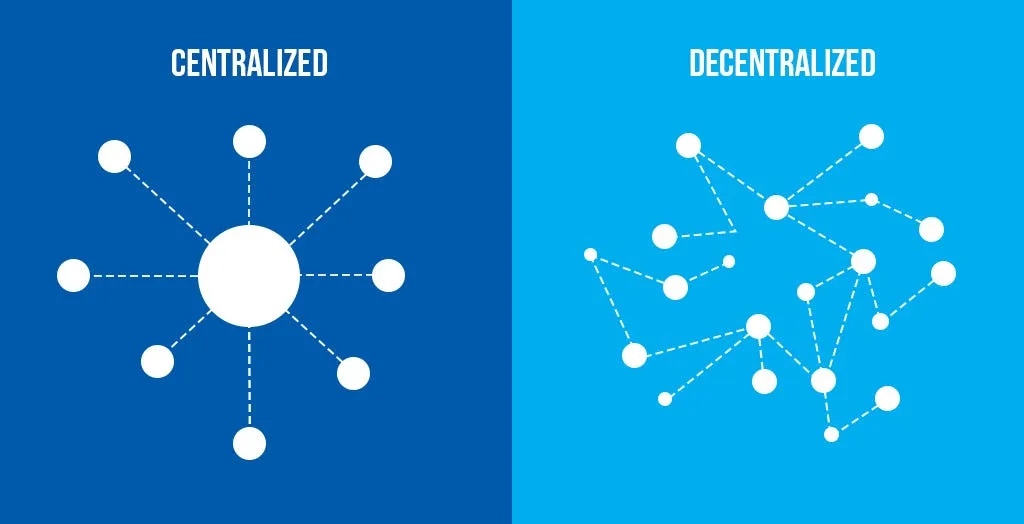
The global financial system is entering a new chapter as tokenized markets scale faster than regulators and traditional institutions expected. With more assets moving onto digital rails, questions around cross border flows, market fragmentation and regulatory consistency are becoming harder to ignore. Recent commentary highlighted growing concerns that financial activity could begin shifting into disconnected digital pockets if coordination does not keep pace with innovation. That warning has resonated across governments, banks and asset managers watching the transformation unfold.
Tokenization is no longer an experimental concept. It is expanding into mainstream asset classes such as bonds, money market products and settlement tools. The trend has introduced new efficiencies but also exposed gaps in policy frameworks that were designed for slower moving systems. As more participants adopt digital asset structures, mismatched rules and fragmented liquidity pools have become visible. The challenge now is ensuring that innovation does not splinter the global flow of capital into isolated regions.
Why Fragmentation Risks Are Rising
The most important factor behind the warning is the speed at which tokenized markets are growing. Institutions across multiple regions are experimenting with digital settlements, on chain collateral systems and programmable financial instruments. While these projects are beneficial individually, they often rely on different technical standards and settlement structures. When systems evolve separately without alignment, the result can be reduced interoperability and uneven access. Policymakers view this as a potential long term problem for market stability.
Another driver of fragmentation is the inconsistency in regulatory approaches across countries. Some jurisdictions have moved quickly to build clear frameworks for tokenized assets while others remain cautious. These differences can push activity into more permissive regions and create uneven risk environments. Markets become harder to supervise when financial flows operate across incompatible rules. The warning reflects concerns that tokenized ecosystems could mirror the same imbalances seen in offshore financial centers but at a faster pace.
The rise of private digital settlement platforms also contributes to fragmentation risks. Several financial institutions are building proprietary networks that support the issuance and transfer of tokenized assets. While these platforms have strong commercial value, they may not always be interoperable with competing networks. Without connectivity, liquidity becomes siloed and capital cannot move freely. Global finance depends on smooth transfer mechanisms and the warning highlights the need to ensure these digital systems can work together.
Tokenized Bonds Are Expanding Faster Than Expected
One of the clearest growth areas in tokenization is the bond market. Several governments and financial institutions have issued tokenized bonds that settle more quickly than traditional instruments. These products reduce settlement risk and lower operational costs. However their rapid expansion has created new questions around how they fit within global clearing and settlement systems. If each country adopts different structures, the global bond market could become harder to integrate.
Settlement Networks Are Moving Toward Digital Rails
Settlement is becoming a major area of experimentation. Banks and payment networks are testing digital solutions that shorten transaction times and improve transparency. These systems hold promise but require alignment to preserve global connectivity. Fragmented settlement rails could create friction for cross border transactions and complicate liquidity management for multinational institutions. The warning emphasizes the importance of ensuring compatibility across digital and traditional settlement layers.
Capital Flows Could Shift Into Digital Silos
As tokenized markets expand, there is a risk that capital flows could cluster within specific digital ecosystems. This would make monitoring financial stability more challenging and limit the equal distribution of liquidity across markets. Fragmentation in liquidity can lead to higher volatility, wider spreads and inconsistent pricing. Policymakers want to prevent a scenario where digital assets create isolated pools of activity that weaken the broader financial system.
Conclusion
The expansion of tokenized markets is accelerating innovation across global finance, but it also introduces new risks that require coordinated attention. Rapid adoption, inconsistent regulatory frameworks and the rise of private digital networks are creating fragmentation concerns that could influence future capital flows. The warning underscores the need for stronger international cooperation to ensure that digital finance evolves in a way that supports stability and connectivity. The next phase of tokenization will depend on how well policymakers and institutions align their strategies.