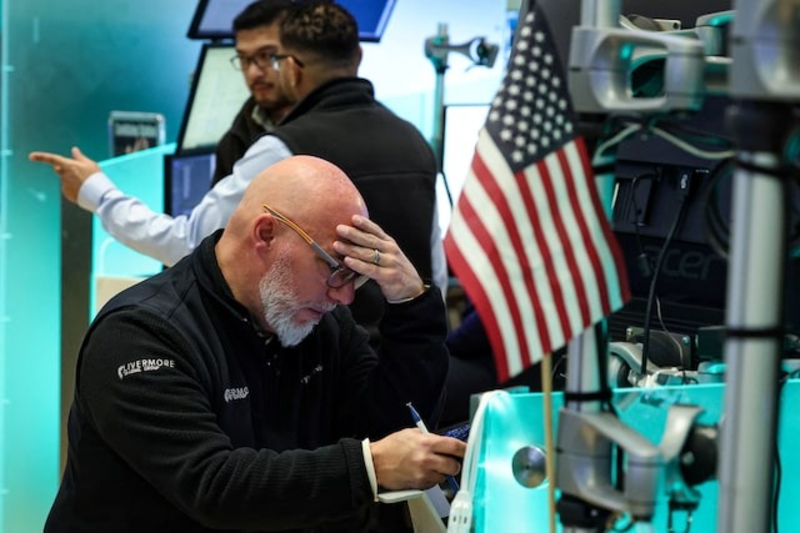
The escalating conflict involving Iran is creating significant uncertainty across global financial markets and forcing investors to reassess how geopolitical events could influence their personal finances and investment portfolios. Rising tensions in the Middle East have already triggered sharp movements in energy prices, equities and currencies, while analysts warn that the broader economic consequences could take weeks or months to fully unfold. Financial markets reacted quickly to the conflict as investors weighed the potential disruption to global energy supply chains and the impact that higher oil prices could have on inflation and economic growth.
Energy markets have been at the center of the financial reaction. The Middle East remains one of the world’s most important oil producing regions and any threat to supply routes immediately influences global prices. The Strait of Hormuz, a narrow shipping corridor through which a significant portion of the world’s crude oil flows, has become a key focus for investors monitoring the conflict. Even the possibility of disruptions to shipments moving through the corridor has pushed oil prices higher. Rising energy costs can ripple through the global economy by increasing transportation expenses, manufacturing costs and consumer prices.
Higher energy prices also complicate the outlook for inflation and central bank policy. If oil continues rising it could feed directly into broader inflation indicators, placing pressure on policymakers already trying to bring price growth under control. Central banks including the Federal Reserve have been navigating a delicate balance between controlling inflation and supporting economic growth. A prolonged energy shock linked to geopolitical tensions could delay potential interest rate cuts and keep borrowing costs elevated across financial markets for longer than investors previously expected.
The conflict has also challenged traditional assumptions about safe haven assets. During periods of geopolitical stress investors typically move toward assets such as government bonds or gold. However recent market behavior has shown mixed signals. Treasury bonds have not delivered the same level of stability that investors often expect during crises, while gold has experienced volatility as markets digest the broader economic implications of the conflict. As a result some investors have increased their cash holdings or diversified their portfolios in order to reduce exposure to sudden market swings.
Financial advisers say events like the Iran conflict often prompt investors to revisit their asset allocation strategies. Portfolio diversification across different asset classes can help reduce risk during unpredictable geopolitical events. Some investors are also examining how their portfolios respond to inflation driven shocks, particularly in sectors such as energy, commodities and infrastructure. For long term investors the key challenge is balancing short term volatility with long term investment goals while avoiding reactionary decisions driven purely by headlines.
Global markets are likely to remain sensitive to developments in the Middle East in the coming weeks as investors monitor the economic consequences of the conflict. Rising oil prices, shifting inflation expectations and geopolitical uncertainty are combining to create a complex environment for financial markets. Analysts say the situation highlights how global political developments can quickly influence everything from energy prices and interest rates to investment portfolios and household finances around the world.