Introduction:
As of October 7, 2025, both Japan and China have undertaken active measures to intervene in their respective currency markets to stabilize the yen and the yuan amid heightened volatility. The Japanese yen recently fell to a two-month low against the U.S. dollar, raising concerns among policymakers about potential disruptions to trade, investment flows, and domestic inflation. Similarly, the Chinese yuan has faced downward pressure, influenced by slowing export growth, capital outflows, and global economic uncertainties. Both nations are taking steps to manage their currencies to prevent disorderly fluctuations that could have broader economic repercussions. These interventions reflect the delicate balance central banks must maintain between currency stability, economic growth, and investor confidence.
The interventions occur against a backdrop of significant global macroeconomic pressures. Rising U.S. Treasury yields, a strong U.S. Dollar, and persistent inflationary concerns have put downward pressure on Asian currencies. For Japan, the yen’s depreciation increases the cost of imports, particularly energy and raw materials, which could impact household consumption and industrial output. In China, maintaining the yuan’s stability is crucial for trade competitiveness, investor confidence, and the broader strategy of internationalizing the currency. Analysts note that coordinated market interventions are increasingly important as economies navigate these intertwined domestic and global challenges, ensuring that currency fluctuations do not destabilize financial systems or trigger excessive market speculation.
Japan’s Intervention:
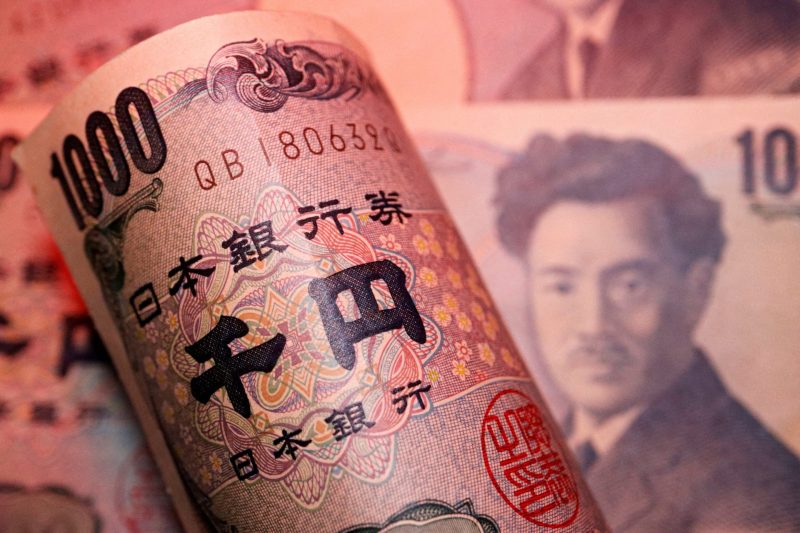
Japan’s Finance Minister, Katsunobu Kato, expressed serious concern over the yen’s recent weakening, which fell to 150.62 per U.S. dollar and reached a multi-month low of 176.35 per euro. The depreciation has raised fears of excessive volatility, which can impact imports, inflation, and corporate earnings. Kato emphasized the importance of currency movements aligning with economic fundamentals and pledged close monitoring of foreign exchange markets to prevent disorderly fluctuations. The yen’s decline followed the selection of Sanae Takaichi as the ruling party’s leader, signaling a potential continuation of policies similar to “Abenomics,” characterized by expansive fiscal measures and loose monetary policy. Investors have interpreted her leadership as an indication of possible increased government spending without immediate interest rate hikes, which contributed to the market perception of weaker fiscal discipline.
The Bank of Japan (BoJ) has reiterated its commitment to maintaining accommodative monetary policy while monitoring exchange rate impacts. Intervention efforts include the possibility of coordinated market actions, short-term currency purchases, or adjustments to monetary tools aimed at stabilizing the yen. Policymakers face a challenging balancing act, seeking to support economic growth while preventing excessive import costs from eroding consumer purchasing power. Analysts highlight that such interventions are critical in maintaining confidence among domestic and international investors, ensuring that the yen’s movements remain consistent with Japan’s broader economic strategy.
China’s Measures:
In China, the People’s Bank of China (PBOC) has actively implemented measures to stabilize the yuan, which has faced pressure due to slower export growth, capital outflows, and global uncertainty. The central bank has employed a combination of direct market interventions, including foreign exchange purchases, and macroprudential measures to ensure financial stability. These efforts are aimed at preventing disorderly currency movements that could undermine trade competitiveness, domestic financial markets, and investor confidence.
China’s approach also reflects strategic considerations related to the internationalization of the yuan. By stabilizing the currency, the PBOC seeks to maintain trust in the yuan as a reliable medium for trade settlements, cross-border investment, and reserve holdings. Analysts note that these interventions are designed to mitigate short-term volatility while supporting the broader objective of financial stability, particularly in a year characterized by global uncertainties and elevated currency fluctuations. Coordination with state-owned banks and large institutional investors ensures that these measures have both immediate and lasting impact on market confidence.
Global Implications:
The interventions by Japan and China have far-reaching implications for global financial markets. Stabilizing the yen and yuan is essential for maintaining trade flows, investment confidence, and regional economic stability. Currency volatility can impact export competitiveness, increase import costs, and influence capital allocation decisions across Asia and globally. International investors are closely monitoring these developments, adjusting portfolios to manage exposure to Asian currency risks and potential ripple effects on global markets.
The interventions also highlight the interdependence of global monetary systems. Movements in major currencies such as the U.S. Dollar, yen, and yuan influence capital flows, commodity prices, and trade balances worldwide. Analysts emphasize that proactive measures by central banks in Asia are essential to prevent disorderly market conditions that could have cascading effects on both developed and emerging economies. Such coordinated actions reflect the growing recognition of currency stability as a critical component of broader financial stability in an interconnected global economy.
Analyst Insight:
Financial experts suggest that Japan and China’s interventions demonstrate the importance of proactive monetary and fiscal measures to manage currency risks. By stabilizing the yen and yuan, central banks aim to mitigate the impact of external shocks, maintain investor confidence, and support economic growth. Analysts highlight that while short-term market stabilization is critical, long-term solutions will require structural reforms, including fiscal discipline, improved trade competitiveness, and measures to enhance financial system resilience.
The market response indicates that investors are cautiously optimistic, as these interventions signal the willingness of policymakers to act decisively. Traders are balancing exposure to Asian currencies with other safe-haven and dollar-denominated assets, reflecting a complex global investment landscape influenced by monetary policy, trade flows, and geopolitical dynamics.
Conclusion:
Japan and China’s recent interventions in currency markets underscore the importance of maintaining stable exchange rates to ensure economic and financial stability. The yen and yuan’s stabilization efforts aim to prevent excessive volatility that could disrupt trade, investment, and domestic economic growth. While these measures address short-term challenges, long-term solutions will require coordinated policy actions, structural reforms, and careful management of global interdependencies. As major economies navigate these complex dynamics, their actions will continue to influence global trade, investor confidence, and the broader financial system.