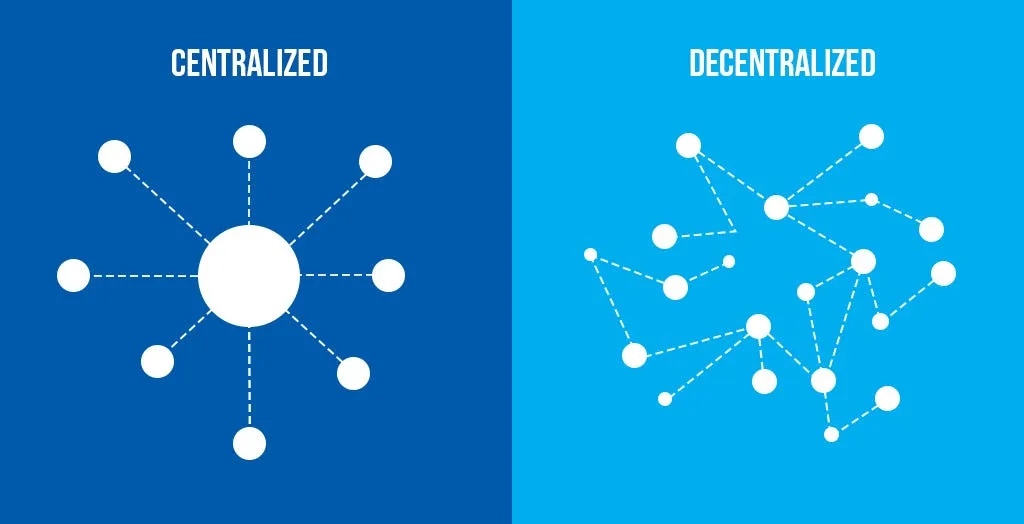
Complaints about tight liquidity have become common across markets. Traders point to sudden price gaps, thinner order books, and faster volatility as signs that liquidity has dried up. The reality is more nuanced. Liquidity has not vanished. It has shifted, concentrating in places that are less visible and more selective.
This change reflects how capital now prioritizes safety, flexibility, and speed. Instead of sitting broadly across markets, liquidity clusters where exit is easy and risk is clearly defined. Understanding where liquidity resides is more useful than assuming it is gone.
Liquidity Has Become Selective Rather Than Scarce
The most important shift is that liquidity is no longer evenly distributed. In earlier cycles, abundant capital flowed widely, supporting depth across assets and regions. Today, liquidity prefers certainty.
Highly liquid benchmarks, short duration instruments, and platforms with reliable settlement attract capital. Assets that rely on continuous inflows or leverage face thinner participation. This creates the impression of overall tightness when in fact liquidity has become more discriminating.
Selective liquidity is a rational response to uncertainty. When policy paths and growth outcomes are unclear, capital chooses environments where it can move quickly if conditions change.
Balance Sheet Constraints Shape Where Liquidity Lives
Financial institutions play a central role in determining liquidity distribution. Balance sheet costs, regulatory requirements, and capital charges influence where banks and dealers provide depth.
As these constraints increase, institutions concentrate activity in areas that offer the best return on capital. This leaves some markets under supported even if aggregate liquidity remains ample.
The result is fragmentation. Some assets trade smoothly while others experience abrupt moves. The difference is not demand, but the willingness of intermediaries to commit balance sheet.
Digital Infrastructure Changes Liquidity Behavior
Technology has also reshaped liquidity. Electronic trading and automated strategies allow capital to move rapidly between venues. Liquidity can appear and disappear within seconds, responding to real time signals.
This elasticity improves efficiency during stable periods but amplifies stress when uncertainty rises. When models detect rising risk, liquidity is withdrawn immediately rather than gradually.
Importantly, this behavior does not reduce total liquidity. It redistributes it dynamically, favoring environments that meet predefined criteria for risk and execution.
Why Some Markets Feel More Fragile Than Others
Markets that feel fragile often share common traits. They rely on leverage, lack consistent participation, or depend on cross border funding. When conditions shift, liquidity retreats quickly.
Meanwhile, core markets with deep participation continue to function smoothly. This divergence can mislead observers into believing liquidity is universally tight.
Understanding this distinction helps explain why volatility spikes in specific assets without spreading systemwide. Liquidity has not dried up. It has chosen where to remain active.
Implications for Investors and Policymakers
For investors, the lesson is to focus on liquidity quality rather than quantity. Knowing how and where liquidity behaves matters more than headline measures.
Assets with reliable liquidity offer flexibility even during uncertainty. Those without it demand higher risk premiums. This differentiation shapes performance and risk management.
For policymakers, the challenge is recognizing that aggregate measures may mask underlying fragmentation. Ensuring that liquidity reaches critical areas without distorting incentives requires careful calibration.
Conclusion
Liquidity is not tight. It is selective, dynamic, and concentrated. Capital has shifted toward environments that offer clarity and control, leaving other areas thinner and more volatile. Recognizing where liquidity hides provides a clearer view of market conditions than assuming scarcity where there is simply redistribution.