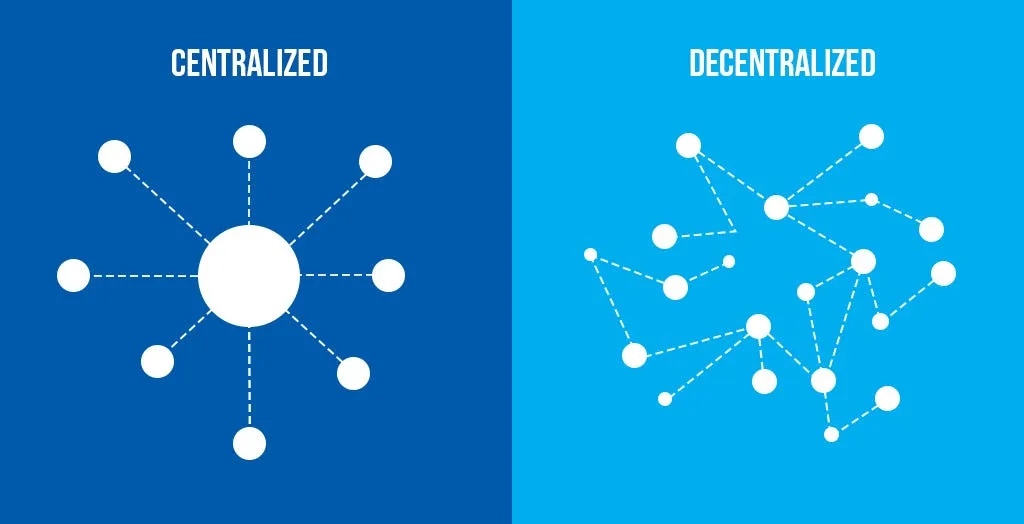
For much of the past decade, global markets moved as if they were part of a single financial engine. Liquidity was abundant, policy signals were broadly aligned, and capital responded to the same incentives across regions. That coherence is now fading. The macro environment is fragmenting into distinct financial cycles that operate side by side but respond to very different forces.
This fragmentation does not imply global breakdown. Trade, capital, and information still flow across borders. What has changed is the rhythm. Instead of one synchronized cycle, markets now reflect at least three overlapping financial realities, each with its own drivers, risks, and timing.
The Global Macro Cycle Is No Longer Unified
The idea of a single global macro cycle assumed that major economies moved together through growth, inflation, and policy shifts. That assumption no longer holds. Structural differences in demographics, fiscal capacity, and economic models are pulling regions apart.
Some economies are still managing inflation risks and restrictive policy. Others are shifting toward stabilization or gradual easing. A third group operates under entirely different constraints driven by capital access, currency dynamics, or political factors.
Markets are learning to price these differences. Assets no longer move in lockstep simply because they share global exposure.
Advanced Economies Are in a Late Cycle Adjustment
Many advanced economies are navigating the later stages of a tightening cycle. Policy remains restrictive, but the focus has shifted from inflation control to managing slowdown risks.
Financial markets in these regions reflect caution rather than stress. Volatility is episodic, and capital favors quality and liquidity. Growth expectations are modest, and risk premiums adjust slowly.
This cycle is defined by balance sheet strength, service driven economies, and the challenge of sustaining growth without reigniting inflation.
Emerging Markets Face a Different Set of Pressures
Emerging markets operate in a separate financial rhythm. Their cycles are shaped more directly by capital flows, currency stability, and external financing conditions.
Some benefit from higher commodity prices or resilient domestic demand. Others face tighter funding conditions and greater sensitivity to global risk sentiment. Policy flexibility varies widely.
As a result, emerging market performance is increasingly dispersed. Broad labels matter less than country specific fundamentals and policy credibility.
The Financial System Itself Forms a Third Cycle
Beyond geography, there is a financial cycle driven by leverage, liquidity, and risk appetite. This cycle cuts across borders and asset classes.
It is shaped by funding conditions, balance sheet constraints, and the behavior of large institutional players. When liquidity tightens, this cycle slows regardless of local economic strength. When it eases, risk assets respond quickly.
This financial cycle often leads the real economy, amplifying moves and transmitting stress across regions even when growth paths differ.
Why Fragmentation Changes Market Behavior
Fragmentation reduces the usefulness of broad macro trades. Strategies that rely on global beta struggle when cycles diverge.
Investors must pay closer attention to regional signals, policy nuance, and structural factors. Correlations weaken, and diversification requires more deliberate construction.
For policymakers, fragmentation complicates coordination. Actions taken to address local conditions can have unintended spillovers in a world where cycles are misaligned.
Risks of Misalignment and Sudden Convergence
Fragmentation does not eliminate systemic risk. It changes how it emerges. When cycles are misaligned, shocks can propagate unevenly and unpredictably.
At times, stress in one cycle can force abrupt convergence. Liquidity events, geopolitical developments, or financial accidents can override local differences and synchronize markets temporarily.
Understanding where cycles differ helps identify where such convergence risks may originate.
What This Means for Capital Allocation
In a fragmented macro world, capital allocation becomes more selective. Investors reward clarity, stability, and resilience rather than broad exposure.
Regions and assets that align policy, growth, and financial conditions attract sustained interest. Others experience episodic flows and higher volatility.
This environment favors analysis over assumption and patience over momentum.
Conclusion
The global macro landscape is no longer moving as one. It is fragmenting into distinct financial cycles shaped by policy, structure, and liquidity. Recognizing this shift helps explain uneven market behavior and changing correlations. One world still exists, but it now runs on multiple financial clocks. Understanding which cycle matters where is becoming essential for navigating modern markets.