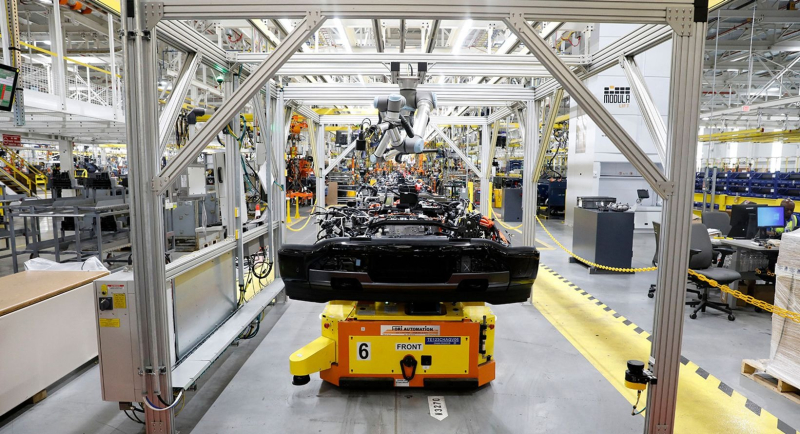
Manufacturing data rolled out this week and the numbers landed with a quiet confidence that markets did not expect. Instead of dramatic highs or alarming lows, the sector delivered a steady read that signaled modest but reliable progress. It was the kind of update that did not break headlines but definitely reshaped trader sentiment beneath the surface.
For a sector that often sets the tone for economic momentum, the stability came as a welcome signal. Investors, policymakers and analysts tuned in closely because manufacturing trends often reveal what is happening inside supply chains, hiring pipelines and business investment cycles. This week’s data did not bring fireworks, but it did bring clarity.
Why Stable Manufacturing Data Matters Now
The most important takeaway is that manufacturing appears to have found its footing after months of uneven performance. The latest data showed slight improvements in output, stronger order books and more consistent production schedules. These signals suggest that the industry is adjusting effectively to shifting demand patterns and cost pressures.
Order activity rose modestly, showing that businesses remain confident enough to plan ahead. While the growth was not explosive, it was meaningful because it shows resilience during a period of mixed macro signals. Production levels followed the same pattern with gradual increases that reinforce the narrative of quiet stability. Companies continue to balance operational efficiency with cautious optimism.
Supply chain improvements played a key role in the sector’s steadiness. Delivery times shortened and inventory levels normalized, signalling that global disruptions are fading. This stability allowed manufacturers to operate with fewer bottlenecks and more predictable timelines. For investors tracking the health of industrial pipelines, these details strengthened confidence.
Market Analysts Read Between the Lines
Market analysts reacted positively but kept expectations grounded. They pointed out that manufacturing is holding steady without indicating major acceleration. This balanced tone aligned with views that the economy is transitioning into a slower but healthier pace. Analysts emphasized that the stability is more important than the size of the gains because it reduces the risk of sudden downturns.
Corporate leaders echoed this mindset. Executives in machinery, automotive and electronics noted that demand remains stable and inventories are healthier than earlier in the year. Many said they expect gradual improvement rather than rapid expansion. Their comments shaped market sentiment by reinforcing the idea that manufacturing is on a sustainable path forward.
Equity markets responded calmly. Industrial stocks saw mild gains as investors interpreted the data as supportive of long term economic stability. At the same time, the lack of strong acceleration kept the broader market from rallying aggressively. The reaction was controlled, strategic and aligned with the overall tone of the report.
Global Markets Mirror the Moderation
International markets took the US manufacturing data as part of a larger global trend. European manufacturing saw similar modest improvements while Asia continued to stabilize after recent slowdowns. The synchronized pattern across regions helped reassure investors that global production networks are returning to a more predictable rhythm.
Trade oriented markets reacted with mild optimism. Commodity linked economies saw small benefits as manufacturers around the world indicated steady input demand. Meanwhile currency markets held tight ranges as traders absorbed the news without jumping to major conclusions about future policy shifts.
Supply chain dependent sectors also responded positively. Logistics companies reported smoother operations and more consistent throughput. Shipping costs remained stable, which further supported the idea that manufacturing is progressing without major disruptions.
Crypto Traders Decode the Industrial Pulse
Crypto markets reacted in their usual macro aware fashion. Traders looked at the manufacturing data as another indicator that economic stability might support risk appetite. Bitcoin remained steady while trading activity picked up as participants incorporated the new macro signals into short term setups. Stablecoin flows reflected cautious optimism as traders moved capital in anticipation of volatility opportunities.
Altcoins showed mixed responses. Some linked to tech and industrial themes attracted mild interest while others stayed neutral due to the lack of strong risk signals. The manufacturing update did not create major waves in crypto pricing but it reinforced the calm environment that traders use to plan their next moves.
Conclusion
Manufacturing data showed modest yet stable progress, signaling resilience during a period of mixed macro trends. Investors, analysts and global markets responded with measured optimism as the sector demonstrated steady strength. The next round of data will determine whether the momentum continues or levels off into a longer phase of predictable stability.