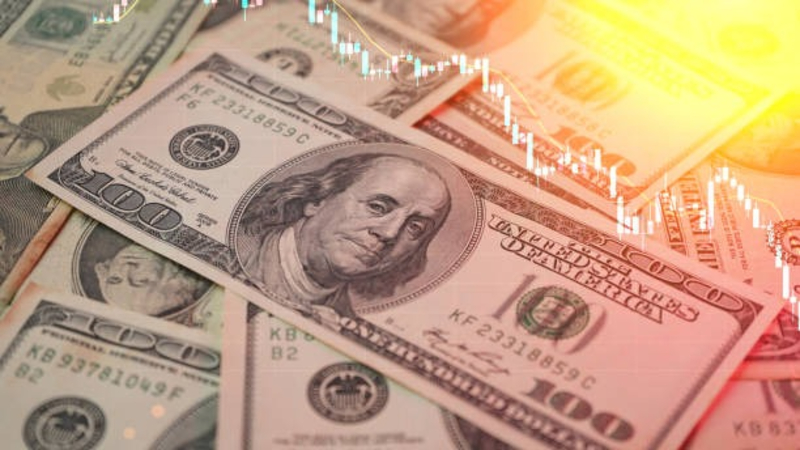
Traders woke up to charts that looked like they had been through a wild overnight sprint. The global market mood shifted as a quick liquidity contraction in USD pairs created sudden turbulence across multiple exchanges. The whiplash was not the sort of market breaking slide that sends shockwaves through every trading desk, but it was strong enough to unsettle the early session and reset expectations before the Asian markets fully activated. Screens from New York to Singapore were filled with unusual spikes in order book depth, signaling that automated strategies had been scrambling to rebalance throughout the night.
The surprise came from how fast conditions flipped in the final hours of the U.S. session. One moment order books were stable and moving with predictable rhythm, then a rapid decline in available liquidity caused spreads to widen. Traders jumped into defensive mode while market makers recalibrated their quotes. By the time the dust settled, the broader market atmosphere had transformed into one of caution mixed with a sense of curiosity about what triggered the sudden shift. As morning cycles began, the global conversation was focused on whether this was an isolated event or the opening act of a more volatile week.
How Overnight Liquidity Dips Sparked Chain Reactions
The liquidity whiplash began as several large transactions drained depth from high volume USD pairs. It did not cause immediate panic but created enough friction to activate protective algorithms that widened spreads to avoid slippage. This chain reaction reduced active liquidity further, causing ripple effects across correlated markets. Once spreads moved outside typical overnight ranges, traders on leveraged positions began adjusting, which added even more order flow pressure. What looked like a routine end of session moment turned into a fast moving recalibration across multiple trading venues.
Market commentators noted that the timing lined up with midweek rebalancing windows when funds often make strategic adjustments. This overlap can sometimes amplify market movements if liquidity is thin or concentrated. The whiplash created a scenario where even modest trades produced noticeable impact, and the feedback loop continued until conditions stabilized. When Asian markets logged back in, the charts revealed the story clearly. The dollar held firm but the path leading to that stability was filled with irregular jumps that hinted at deeper repositioning across institutional desks.
Whale Movements Add Fuel to the Unease
While liquidity fluctuations were unfolding, whale sized wallets began making noticeable transfers into and out of stable ecosystems linked to USD markets. These transfers did not show a clear directional bias but added to the uncertainty because they arrived during a moment when liquidity was already strained. Large scale movements have a way of shifting trader psychology, especially when they appear during fragile market conditions. The fact that several whale addresses activated at once triggered alerts that spread quickly through trading communities.
Observers tracking wallet behavior interpreted these moves as pre positioning rather than reactionary selling or buying. Large holders often move funds across exchanges and custodial networks before expected periods of volatility. This pattern aligned with the timing of upcoming global economic events that could influence short term dollar dynamics. The activity was not enough to determine a trend but contributed to the broader sense of unease that carried into the next trading window.
Central Bank Watchers Monitor Pressure Points
Some of the overnight shifts raised questions about how central banks might interpret tightening USD liquidity. While no major policy announcements were scheduled for the day, several institutions closely monitor abrupt changes in dollar conditions because they affect funding markets and capital flows. Analysts pointed out that if similar whiplash events continue, central banks could respond by adjusting liquidity operations or issuing updated guidance.
The broader concern stems from the relationship between dollar strength, global financing costs and regional stability. Even minor liquidity contractions can become indicators of underlying stress points. These early warning signals often influence decisions around reserve management and cross border settlement flows. For now, the situation remains stable but the overnight turbulence has put central bank observers in a heightened state of attention.
Traders Shift Toward Short Term Defensive Strategies
As markets moved into the next cycle, traders adjusted strategies to account for potential repeat shocks. Many shifted toward pairs with higher liquidity buffers or increased their use of stablecoin rails to reduce volatility exposure. Short term traders tightened risk limits and prepared for a more reactive environment, while longer term participants looked for opportunities created by the overnight shakeup.
This defensive shift was not rooted in panic but in practical caution. When liquidity whiplash hits unexpectedly, traders often take a step back and reassess the conditions shaping the next sessions. With charts still showing residual aftereffects of the overnight turbulence, the mood remained alert and focused on identifying where volatility might strike next.
Conclusion
The overnight USD liquidity whiplash created a wave of market jitters that spread across global trading circles. With sudden depth changes, whale movements and heightened central bank attention, traders entered the new session on guard and ready for fast shifts in momentum as the week unfolds.