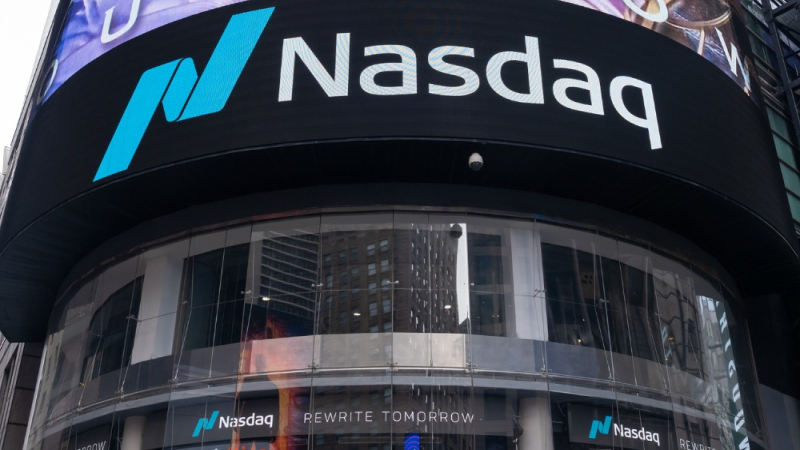
Nasdaq has taken a significant step toward integrating blockchain technology into traditional market infrastructure by filing proposed rule changes that would enable the trading of tokenized securities while maintaining settlement through existing U.S. clearing systems. The filing focuses less on creating parallel crypto markets and more on improving how collateral moves across the financial system. Under the proposal, tokenized equities would continue to settle through the Depository Trust Company, preserving familiar operational workflows for brokers and institutions. Market participants view the move as part of a broader push to modernize collateral management rather than a departure from established securities frameworks. By allowing assets to be represented in tokenized form while remaining anchored to traditional settlement rails, Nasdaq is positioning tokenization as an efficiency layer that enhances speed, transparency and automation without disrupting regulatory oversight.
The filing aligns with a wider institutional trend toward using tokenized assets as regulated collateral rather than speculative instruments. Large financial firms are increasingly deploying tokenized treasuries, funds and other securities to post margin, rebalance positions and manage liquidity more dynamically. Initiatives from BlackRock and JPMorgan have demonstrated how tokenized instruments can function within institutional workflows, particularly in off exchange and triparty arrangements. Regulators have also signaled support for this direction, granting limited relief that allows certain tokenized assets to be processed through core market infrastructure. Together, these developments suggest that tokenization is evolving from simple digital wrappers into a foundational component of how collateral is priced, transferred and optimized across asset classes.
As regulatory clarity improves, institutions are preparing for a future in which equities, debt instruments, commodities and stablecoins operate within interconnected collateral systems. The approach championed by Nasdaq emphasizes continuity with existing market plumbing rather than replacement, reducing barriers to adoption for traditional finance. Analysts expect 2026 to mark an inflection point as tokenized assets begin to interact across unified platforms, allowing capital to move more efficiently without forced liquidation. This shift could compress settlement times, unlock idle liquidity and reshape how yield is generated within portfolios. While tokenized securities will remain subject to full securities regulation, the focus on collateral mobility highlights how blockchain technology is being absorbed into mainstream financial infrastructure rather than operating at its margins.