Projects shift from collectibles to real-world benefits.
From Hype to Reinvention
The NFT boom of 2021 and 2022 was driven largely by hype around digital art and collectibles. Images of apes and pixelated avatars sold for millions, but as the hype faded, so did much of the market’s momentum. In 2025, NFTs are staging a comeback, not through speculation but through reinvention. Projects are increasingly focused on utility, offering membership perks, access to communities, and real-world benefits that extend beyond digital images.
Utility as the New Value Proposition
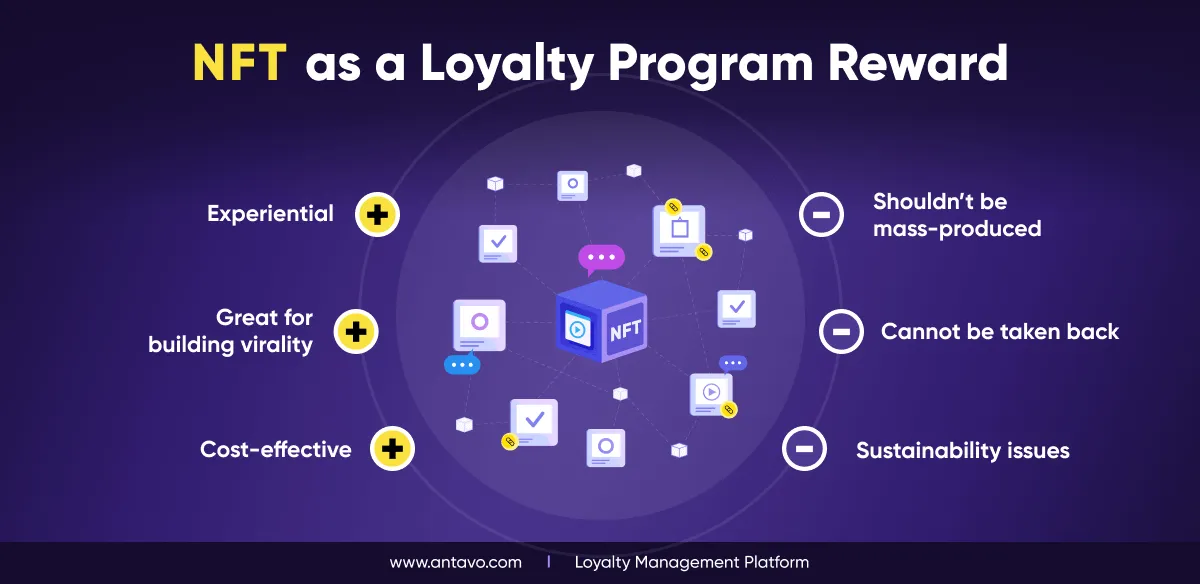
The latest wave of NFT projects emphasizes function over form. Instead of selling static collectibles, creators are offering NFTs as keys to exclusive experiences. These range from event tickets and digital club memberships to loyalty programs with discounts on real-world products. For example, some restaurants in Asia now use NFTs as proof of reservation, while gyms in the United States are experimenting with tokenized passes that reward loyal members. Utility is becoming the defining feature that separates sustainable projects from speculative fads.
Retail Traders Embrace Practicality
Retail investors, especially Gen Z, are showing renewed interest. On TikTok and Discord, influencers highlight NFTs that unlock perks like VIP concert access or early product drops. Memes that once mocked NFTs as “expensive JPEGs” now celebrate their evolution into tools with tangible benefits. For many retail users, owning an NFT is less about flaunting digital art and more about gaining cultural and practical advantages.
Whales Seek Exclusive Access
Whales are approaching the reinvented NFT market strategically. Large wallets are accumulating membership-focused NFTs tied to elite clubs, exclusive events, and luxury experiences. For whales, these tokens represent status symbols as well as potential investment opportunities. Some are even renting out access rights, creating secondary markets where retail participants can temporarily “borrow” perks. This blending of exclusivity and liquidity highlights the versatility of NFTs in the new era.
AI Dashboards Track Evolving Trends
AI dashboards are playing a key role in highlighting the market shift. Push notifications now flag NFT projects with growing utility metrics, such as membership redemptions or event participation rates. Screenshots of these alerts circulate across social media, reinforcing the idea that NFTs are no longer just collectibles but evolving platforms for interaction. Retail traders rely on these dashboards to spot opportunities, while institutions use them to gauge market legitimacy.
Institutions Explore Integration
Institutions are beginning to experiment with NFTs as tools for customer engagement. Airlines are piloting tokenized loyalty points, while universities are testing NFTs as digital diplomas that double as lifelong membership badges. These use cases blur the line between finance, identity, and community, expanding the appeal of NFTs beyond niche collectors. Institutional adoption also lends credibility, signaling that NFTs can serve practical functions in mainstream industries.
Cultural Narratives Drive Adoption
Culturally, the reinvention of NFTs is being framed as a redemption arc. Memes portray NFTs as survivors of the speculative crash, now rising with real-world value. Influencers call them “membership passes for the digital age,” positioning them as status symbols that blend online culture with offline perks. For Gen Z, NFTs now represent participation in communities rather than speculation in collectibles, ensuring stickiness in adoption.
Risks Remain
Despite progress, risks persist. Many projects still overpromise and underdeliver, raising concerns about sustainability. Some perks are limited in scope, with access tied to short-term events rather than long-term benefits. Regulators are also keeping a close watch, questioning whether membership NFTs could fall under securities laws if tied to financial returns. Retail users must navigate carefully to distinguish meaningful utility from empty marketing.
Global Implications
The reinvention of NFTs has implications for global industries. From entertainment and retail to education and travel, tokenized membership models could reshape customer engagement worldwide. Cross-border usability of NFTs makes them more attractive than traditional loyalty systems, offering consistency in a fragmented global market. If successful, these models could accelerate the adoption of blockchain technology far beyond finance.
Conclusion
The NFT market in 2025 is reinventing itself through utility and membership perks. Retail traders are drawn to practicality, whales seek exclusive access, AI dashboards amplify trends, and institutions experiment with integration. Cultural narratives frame NFTs as redemption stories, while risks remind investors to tread carefully. What began as a speculative craze is evolving into a system of digital passes that merge culture, finance, and real-world benefits. The comeback is not about art alone but about redefining how ownership and access work in a digital-first society.
Author: David Karim | Senior Market Correspondent
Email: david@cheenews.com