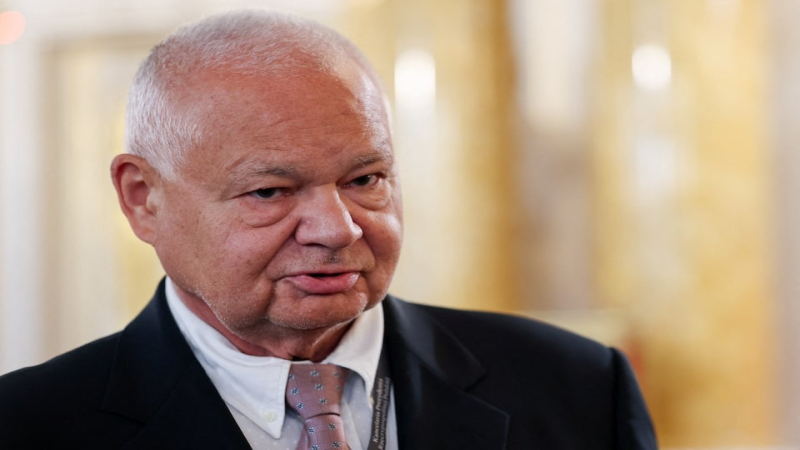
Poland’s central bank moved into what officials describe as a calm observation phase after delivering another interest rate cut that brings its main policy rate to four percent. Markets watching global dollar dynamics have been tracking Poland closely because the country’s inflation cooldown arrived faster than analysts expected and is feeding new speculation about how smaller central banks adjust to shifting liquidity cycles. The governor described the current rate level as perfect for this stage of the cycle and hinted that the council now prefers to watch how the six cumulative cuts ripple through credit demand, currency flows and household spending. This shift matters to traders who see Poland as an early indicator of how second tier economies respond when inflation drops back inside target ranges while budget pressure remains high. The tone from the central bank suggests a desire for stability before making any move to push rates toward the mid three percent zone which places Poland in a zone where rate policy can influence regional demand for dollars more subtly. The message is cautious but still leaves room for future softening if global conditions align with their expectations.
The sharp slowdown in consumer inflation to two point four percent in November has given policymakers more confidence that previous tightening cycles have completed their job and that current momentum can be maintained with a less aggressive posture. Analysts following currency aligned signals point out that Poland’s inflation target sits at two point five percent with a one percentage point tolerance band which means the latest reading is comfortably within the preferred zone. This positions the country as one of the few European markets where price stability has returned earlier than anticipated and allows the bank to consider additional easing without disrupting financial stability. Traders monitoring regional rate environments are already reacting to the possibility that Poland could become a reference point for how central banks balance growth and fiscal pressure while still keeping their currencies appealing to global investors. The central bank stressed that it would not make sudden moves and that any corridor toward more cuts will depend on council members who want proof that recent easing has not overstimulated demand.
With six rate cuts delivered this year totaling one hundred seventy five basis points, Poland is now navigating a complex environment shaped by fiscal constraints and growing attention on budget deficits across Europe. The governor highlighted that a high deficit limits how far rate cuts can safely go which is a signal that policymakers want to avoid being viewed as overly accommodative just as markets adjust to new cycles in global liquidity. Currency watchers note that Poland’s steady approach could help maintain balanced conditions for cross border capital flows at a time when traders scan for any signals that could influence short term dollar positioning. Whether the council shifts again toward additional easing next year will depend on the consistency of inflation readings and the stability of domestic demand. For now the tone is measured and designed to keep markets calm as policymakers wait for clearer signals.